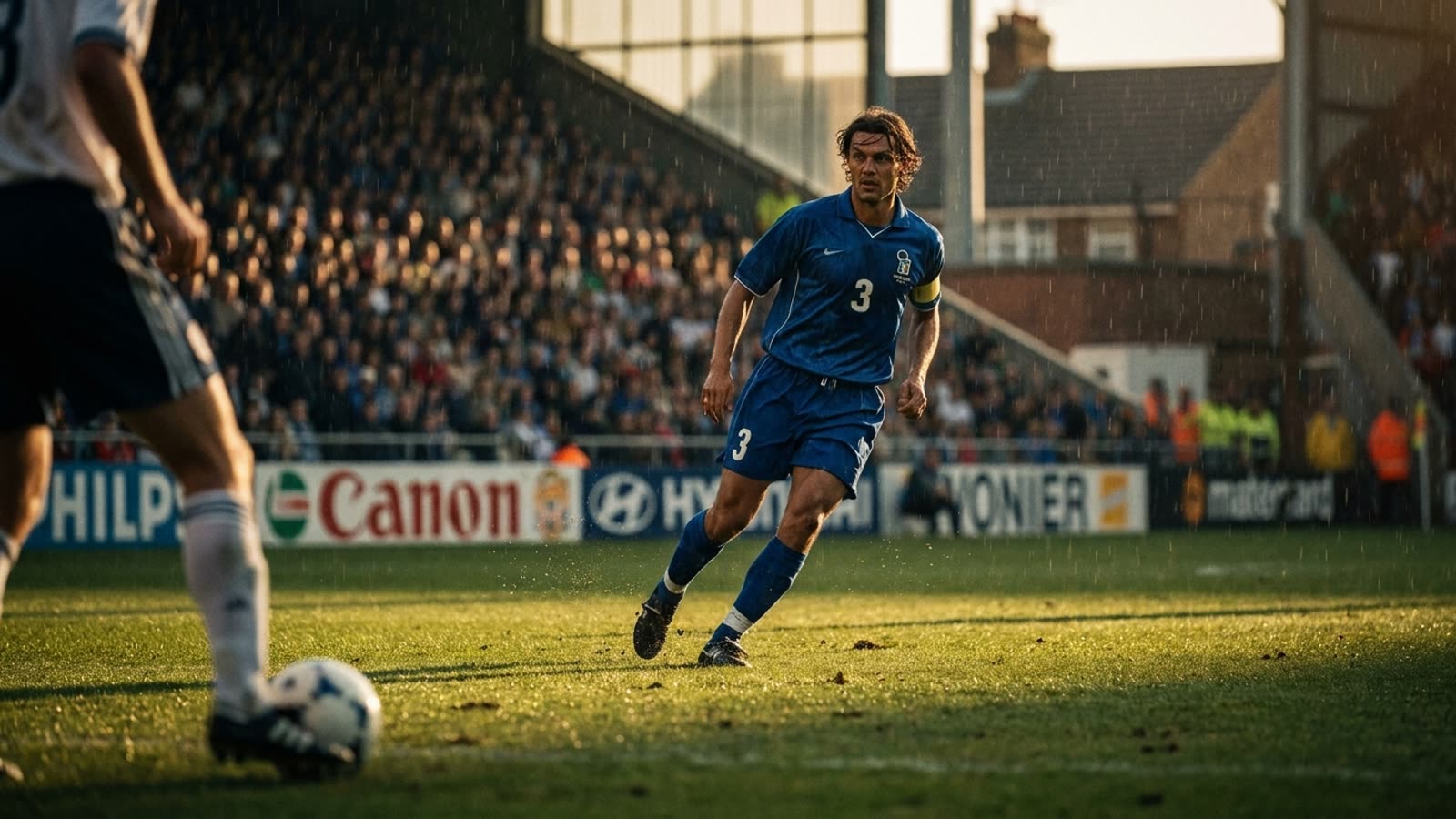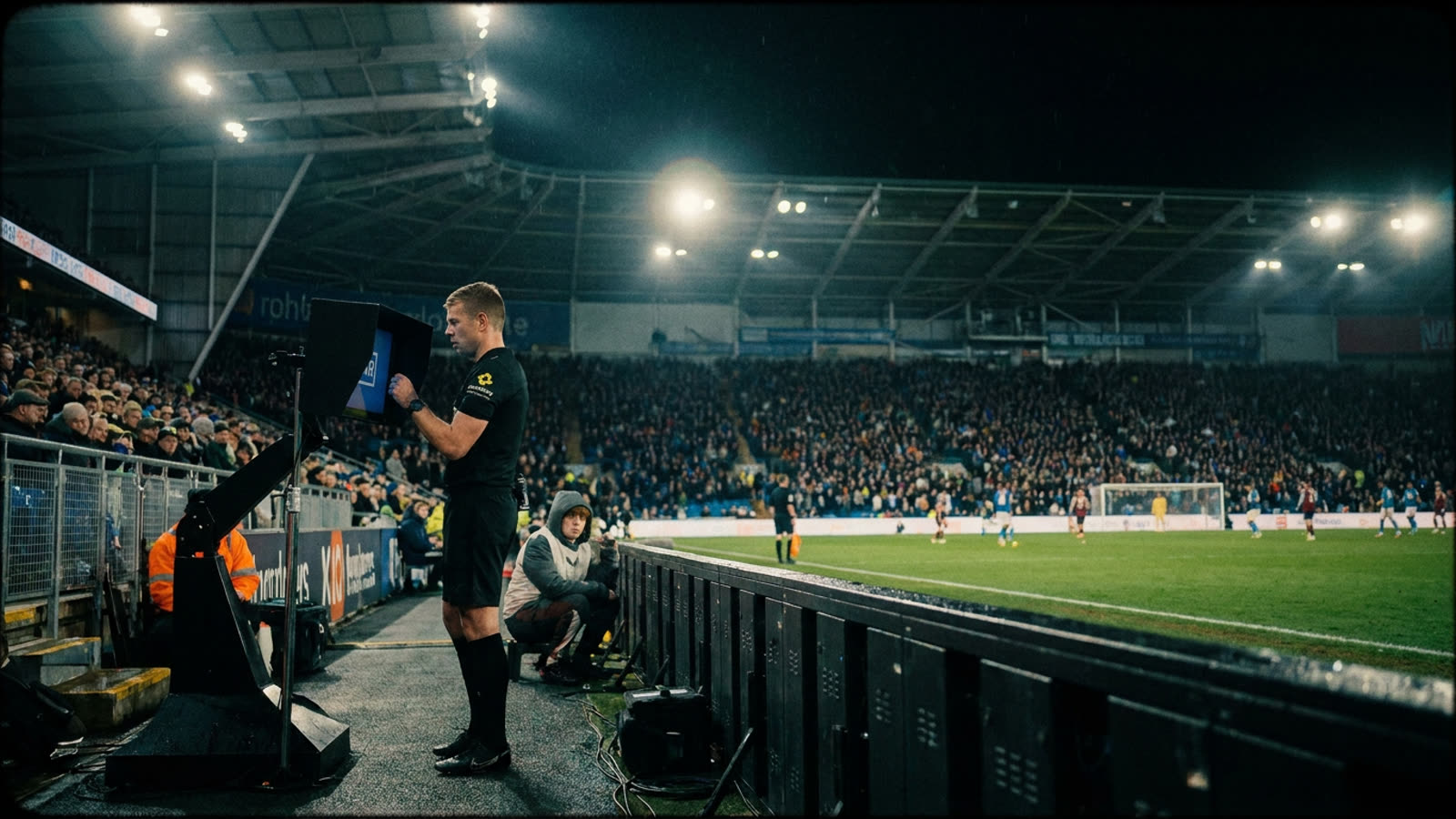
When Harry Kane's first penalty against Croatia was saved by Dominik Livaković on Tuesday night, the Tottenham striker began his walk of mild disappointment back toward the center circle. Then the referee's earpiece crackled, and everything changed.
The Video Assistant Referee had spotted Livaković moving fractionally off his line before Kane struck the ball—a violation that, under FIFA's revised encroachment protocol introduced just weeks before this World Cup, now triggers an automatic retake rather than a warning. Kane buried the second attempt. England won 3-1. And a rule change that had received minimal pre-tournament attention suddenly became the most discussed tactical variable in world football.
The new protocol, explained
The previous standard, in place since 2019, required goalkeepers to have at least one foot on or behind the goal line until the ball was kicked. Enforcement was inconsistent; keepers routinely cheated forward by centimeters, and referees rarely intervened unless the encroachment was egregious. FIFA's updated guidance, circulated to teams in May, instructs VAR officials to review every saved penalty and mandate a retake if any encroachment is detected—regardless of magnitude.
The shift represents FIFA's broader push toward automated officiating. Goal-line technology, semi-automated offside detection, and now pixel-level penalty enforcement share a common philosophy: remove human discretion from binary decisions. Whether a keeper's heel lifted a millimeter early is now treated with the same forensic rigor as whether a ball crossed a line.
Tactical ripple effects
Goalkeeping coaches are already adjusting training regimens. The traditional advice—commit early, make yourself big, trust your read—now carries genuine risk. Staying rooted to the line for an extra fraction of a second may cost keepers their reaction advantage, but the alternative is gifting opponents a do-over on every save.
Penalty takers, meanwhile, face a perverse incentive structure. A saved penalty is no longer necessarily a failure; it becomes a lottery ticket. Kane's stuttered run-up, designed to draw the keeper into early movement, may have been coincidental, but expect copycats. The optimal strategy now arguably includes inducing encroachment as a secondary objective.
Croatia's Zlatko Dalić was diplomatic afterward, noting only that his staff would "study the rule more carefully." England's Gareth Southgate declined to engage, calling the retake "the correct application of the laws." Neither wanted to litigate a decision that benefited the winner and wounded the loser in predictable ways.
Our take
FIFA's encroachment crackdown is defensible in principle—rules should be enforced—but its implementation feels like another instance of technology solving a problem most fans didn't know they had. The old system's ambiguity was frustrating for purists yet tolerable for everyone else. The new system is precise, consistent, and likely to produce more retaken penalties in knockout rounds when the stakes are unbearable. Whether that constitutes progress depends on whether you believe football's drama should emerge from human error or algorithmic certainty. For now, the keepers have their answer: stay on your line, or stay on VAR's highlight reel.