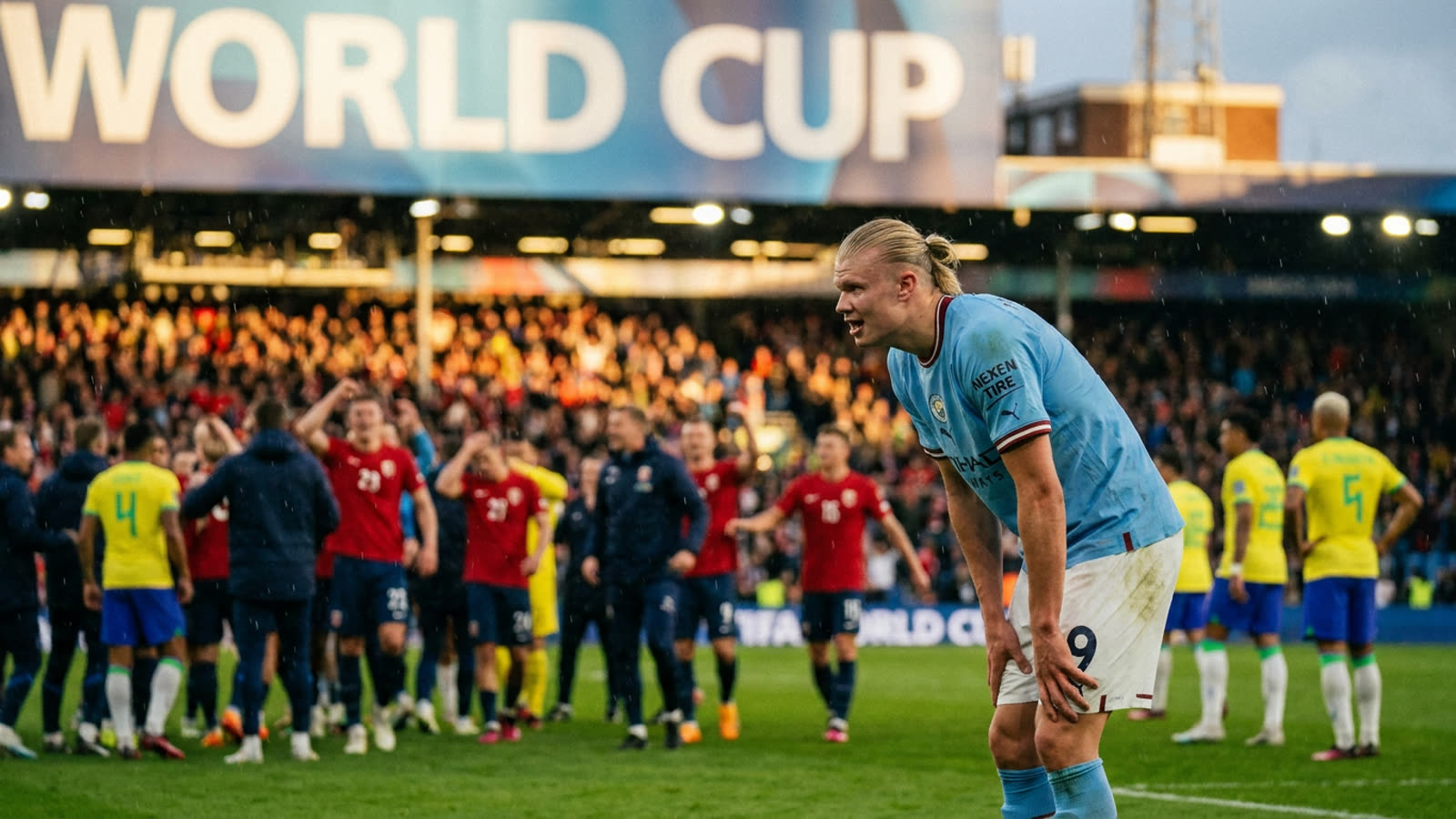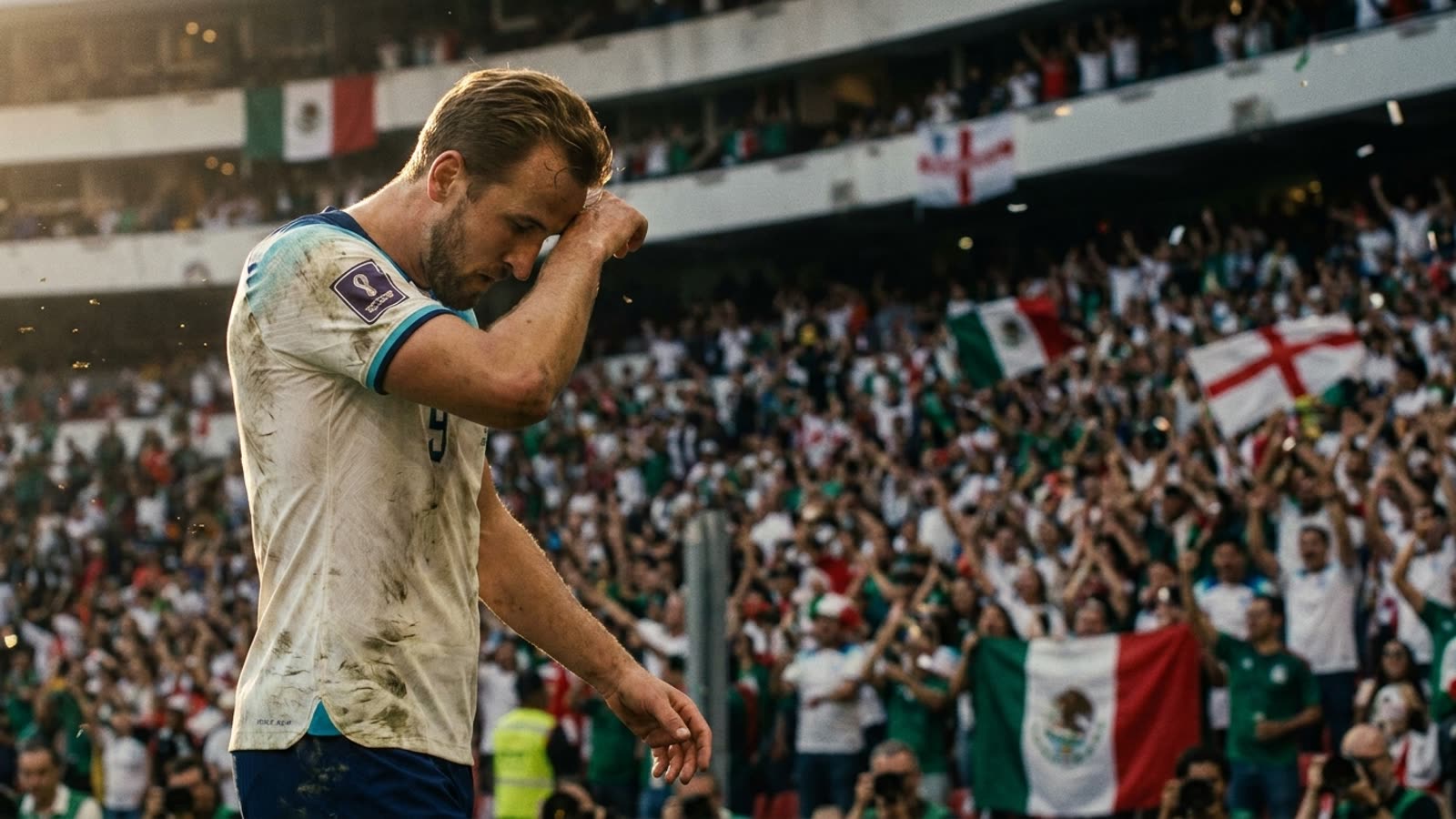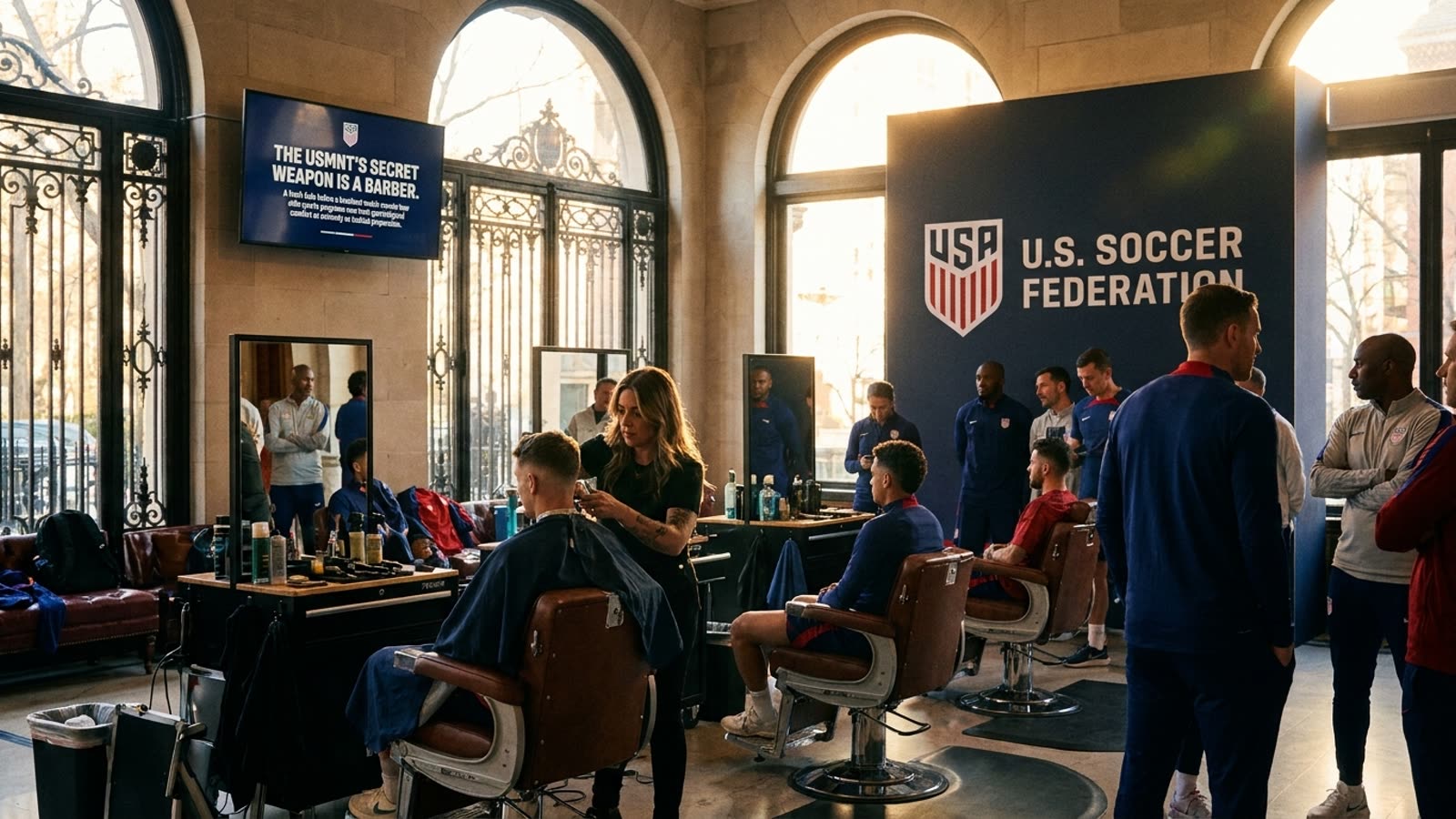
The United States Men's National Team has embedded a barber into their World Cup camp. Not a sports psychologist moonlighting with clippers, but a dedicated professional whose sole job is ensuring that every player who wants a trim before facing the cameras — and the quarterfinal opponent — can get one without leaving the team hotel.
This is not a gimmick. It is the logical endpoint of a philosophy that has quietly transformed how national teams prepare for major tournaments: the idea that marginal gains in player comfort compound into meaningful advantages on the pitch.
The infrastructure of confidence
A haircut seems trivial until you consider what it replaces. In previous World Cups, players seeking grooming services would need to venture into host cities, navigate unfamiliar salons, and risk the kind of minor logistical friction that tournament organizers spend millions trying to eliminate. The embedded barber removes that friction entirely.
The USMNT's approach mirrors what elite club sides have done for years. Manchester City's training complex includes a barber station. Paris Saint-Germain employs full-time grooming staff. The difference is that national teams, which assemble for weeks rather than months, have historically accepted a lower standard of player services. The American federation has decided that gap is no longer acceptable.
Why it matters beyond vanity
Players who look good often feel good, and players who feel good perform measurably better under pressure. Sports psychology research has documented the relationship between self-presentation and competitive confidence for decades. A fresh haircut before a match is not about Instagram — it is about walking onto the pitch believing you belong there.
For a USMNT squad featuring several players who have never appeared in a World Cup knockout round, that psychological scaffolding matters. The embedded barber is one small piece of a larger effort to make the American camp feel like a professional environment where success is expected, not hoped for.
The professionalization of everything
The barber is part of a broader trend. Modern tournament camps now include personal chefs catering to individual dietary requirements, sleep scientists optimizing rest schedules, and entertainment coordinators managing downtime. The days of national teams operating like summer camps with better jerseys are over.
U.S. Soccer has invested heavily in this infrastructure since the 2022 World Cup, where the team's Round of 16 exit exposed gaps between their support systems and those of traditional powers. The embedded barber is a visible symbol of that investment — small enough to seem amusing, significant enough to reveal a changed organizational philosophy.
Our take
Laugh if you want, but the barber makes sense. Elite performance is built on hundreds of tiny optimizations, and dismissing any of them as frivolous misunderstands how marginal gains accumulate. The USMNT may or may not advance past the quarterfinals, but they will do so with fresh fades and the quiet confidence that comes from an organization that sweats the small stuff. In tournament football, that often matters more than tactics.