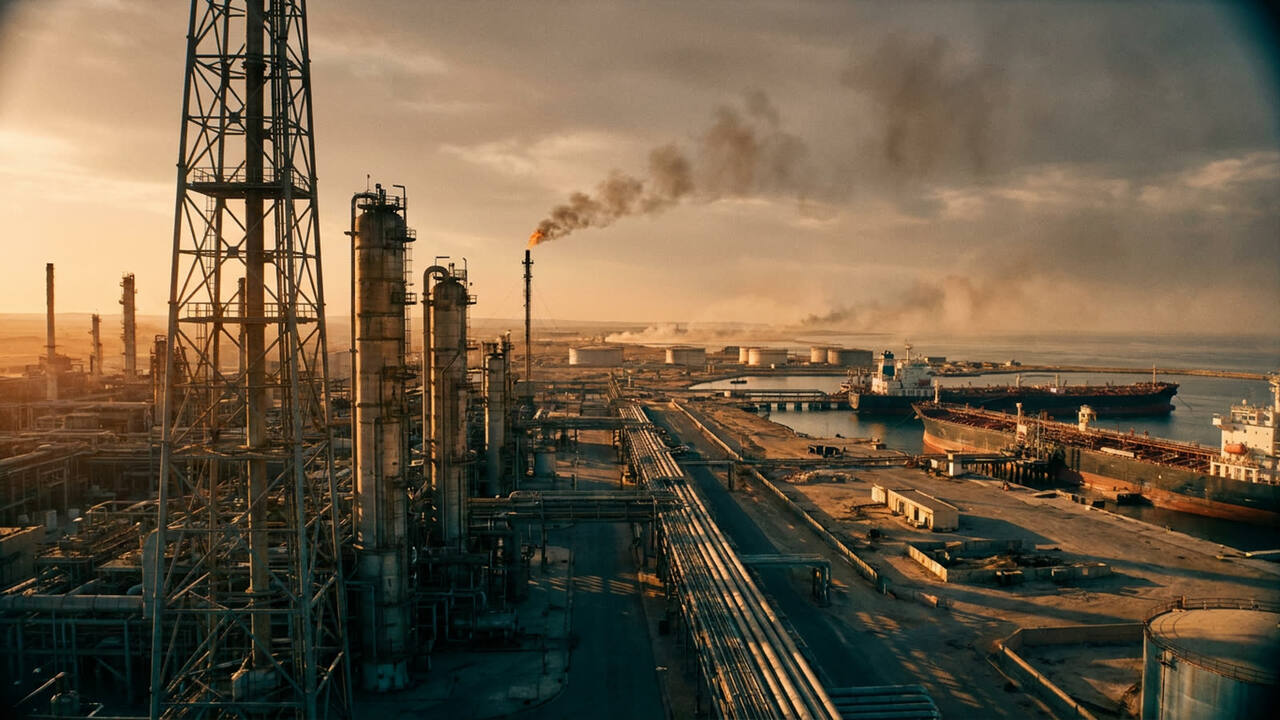
The American shale revolution was supposed to make the United States the swing producer that would discipline OPEC whenever the cartel tried to manipulate prices. A decade later, with oil hovering in the low-to-mid $70s and OPEC+ telegraphing its intention to bring more barrels online, U.S. producers are doing something unexpected: nothing.
This is not capitulation. It is calculation.
The new religion of capital discipline
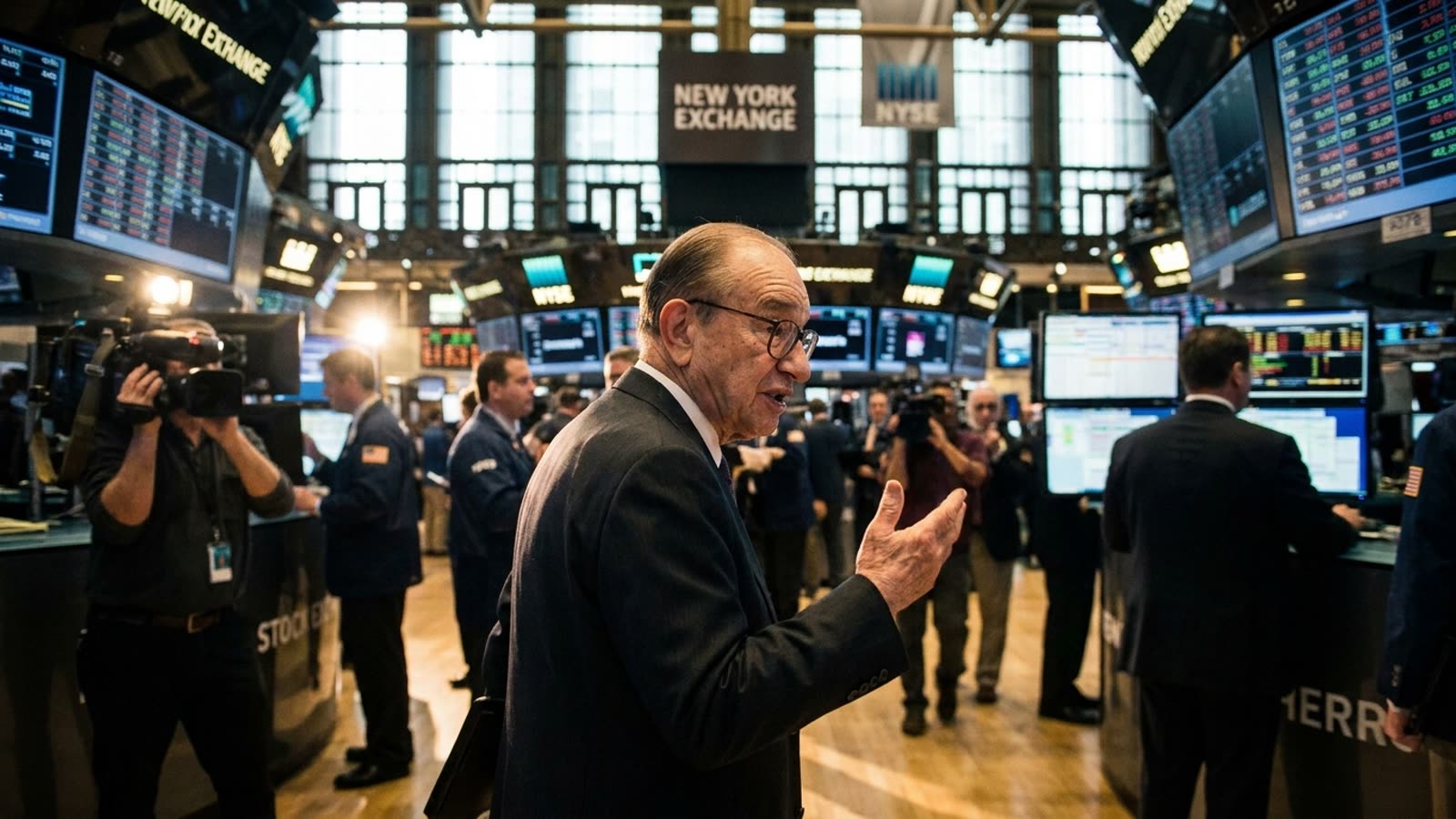
The shale industry of 2014-2019 was a growth-at-all-costs machine, burning through investor capital to chase production records while generating minimal free cash flow. That era is over. Today's publicly traded E&P companies answer to shareholders who have watched the sector destroy value for years and now demand dividends, buybacks, and debt reduction — not drilling sprees.
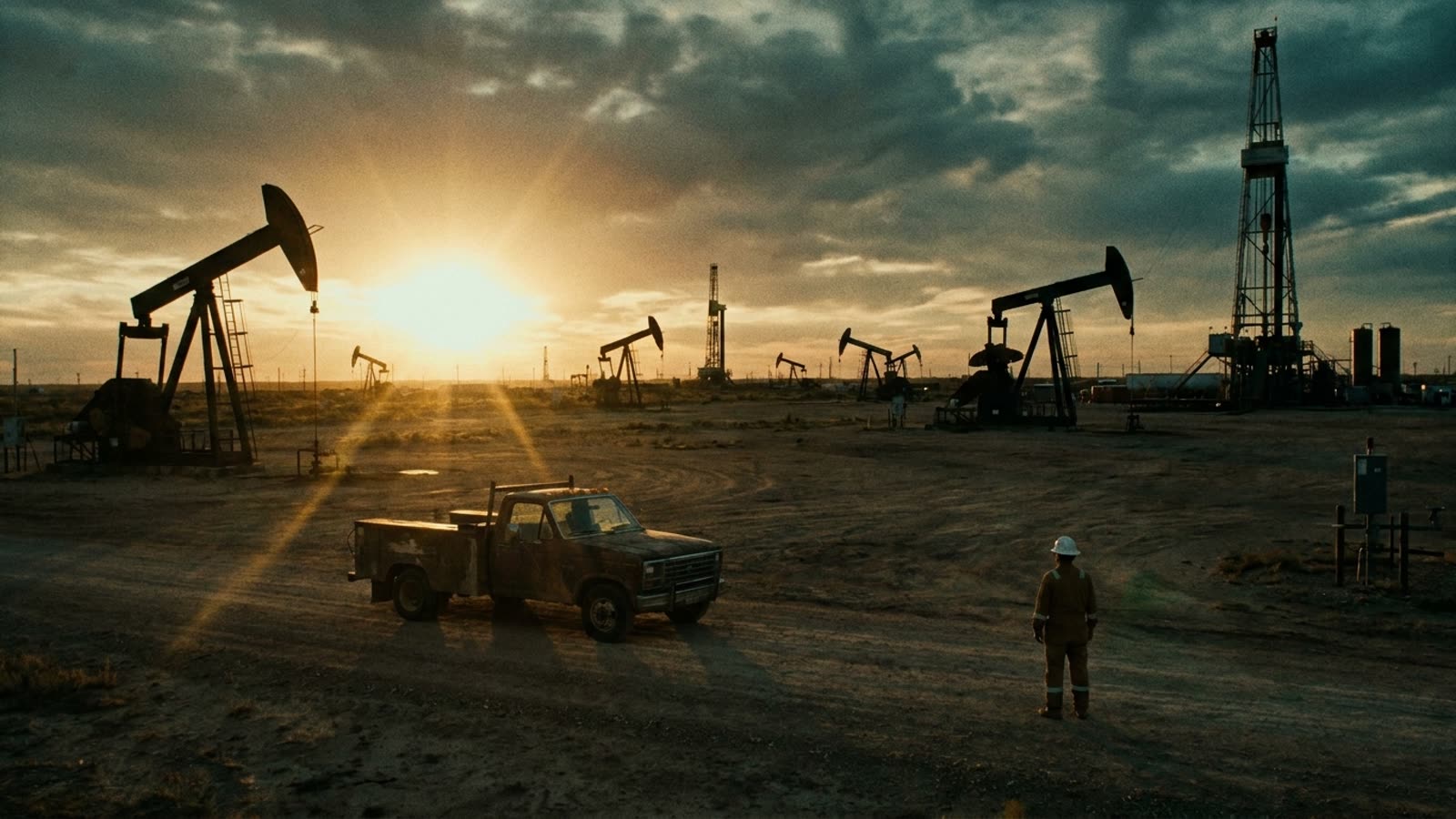
The math is straightforward. At current prices, incremental shale barrels from the Permian Basin are marginally profitable but not compelling. Drilling more aggressively would require either higher prices or a willingness to sacrifice the balance-sheet discipline that finally earned the sector Wall Street's grudging respect. Executives have chosen the latter, and their boards are not complaining.
OPEC's gambit and America's non-response
Saudi Arabia and its allies face their own dilemma. The kingdom needs oil revenue to fund Vision 2030 and maintain domestic stability, but it also wants to punish cheaters within the cartel and test how much pain American producers can absorb. The current strategy — gradually unwinding voluntary cuts while talking up future demand — is designed to keep prices low enough to discourage U.S. investment without crashing them entirely.
In previous cycles, this would have triggered a frantic response from Texas and North Dakota. Not this time. Private operators, who are less beholden to public-market discipline, continue to drill opportunistically, but the majors and large independents are holding the line. The result is a standoff: OPEC+ adds barrels, U.S. production grows modestly from existing wells, and neither side blinks.
What this means for energy security
Washington has spent years urging domestic energy independence while simultaneously pushing decarbonization. The shale industry's newfound restraint complicates both goals. If American producers refuse to ramp up when prices rise, the U.S. loses leverage over global supply. If they do ramp up, they undermine the economic case for renewable investment.
For now, the industry has chosen a third path: harvest cash from existing assets, return it to shareholders, and let someone else worry about market share. It is a rational response to a decade of value destruction, but it leaves the United States more dependent on OPEC's pricing decisions than the shale triumphalists ever imagined.
Our take
The shale industry's discipline is admirable as corporate strategy and troubling as energy policy. American producers have finally learned to make money, but in doing so they have ceded the swing-producer role back to Riyadh. The next oil shock — whether from Middle East conflict, demand surge, or supply disruption — will arrive with U.S. companies unwilling to drill their way out of it. That is the price of shareholder value.