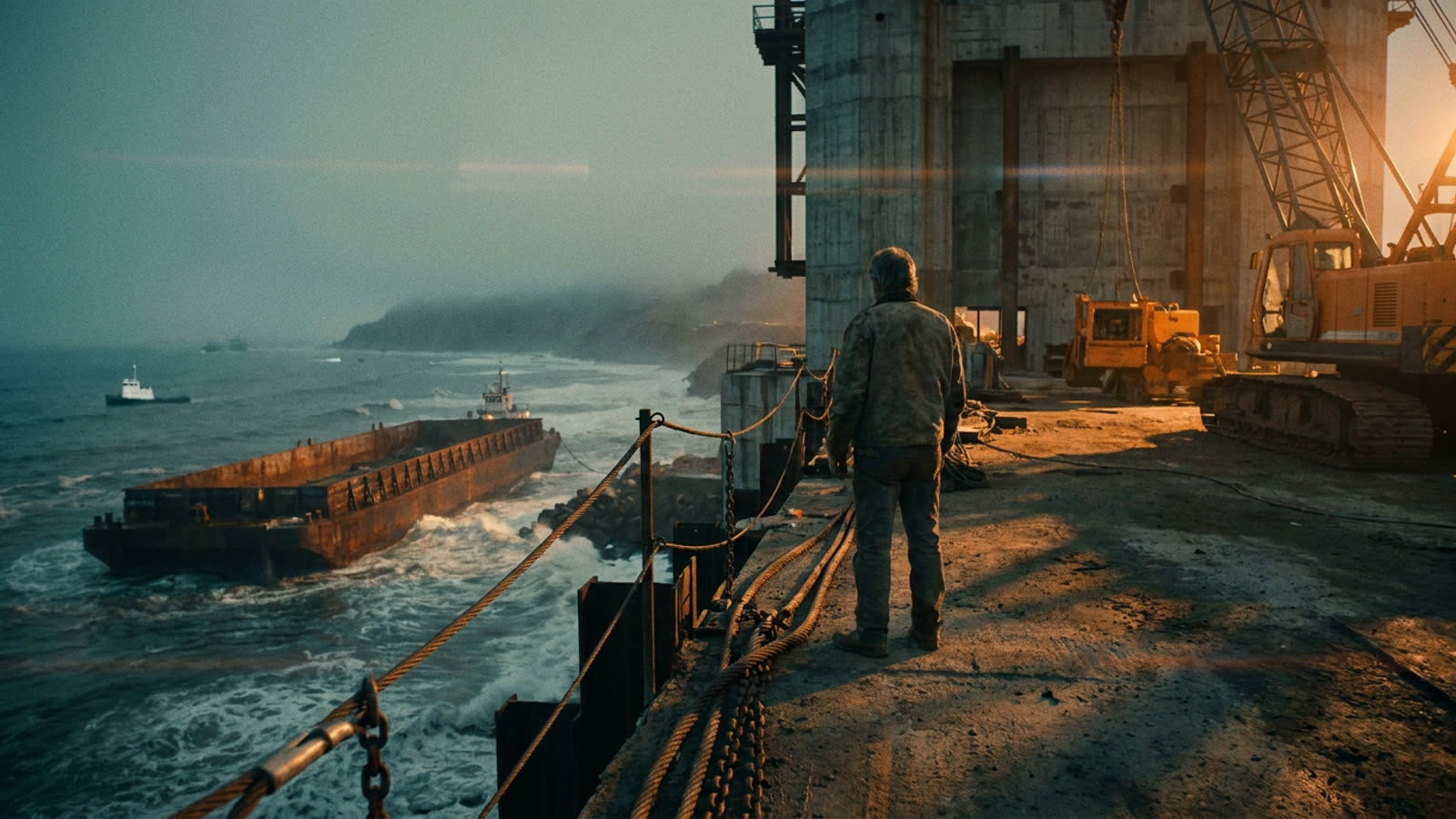
The partial closure of the Strait of Hormuz has done what decades of energy policy never quite managed: it made American oil indispensable overnight.
U.S. crude exports surged in April as buyers scrambled to replace barrels stuck behind the world's most consequential chokepoint. The numbers, released this week, confirm what traders suspected—when roughly a fifth of global oil transit faces disruption, the Atlantic Basin becomes the market's pressure valve. American producers, blessed with abundant shale reserves and deepwater port capacity, are the obvious beneficiaries.
The mechanics of a windfall
The Strait's troubles began in late March when a combination of tanker incidents and heightened insurance premiums made the passage increasingly unattractive. Shipments that once flowed freely from Saudi Arabia, Iraq, and the UAE to Asian refiners now face delays, rerouting, and punishing surcharges. The result is a two-tier market: Brent crude commands a premium over its American counterpart, West Texas Intermediate, that makes Gulf Coast exports economically irresistible.
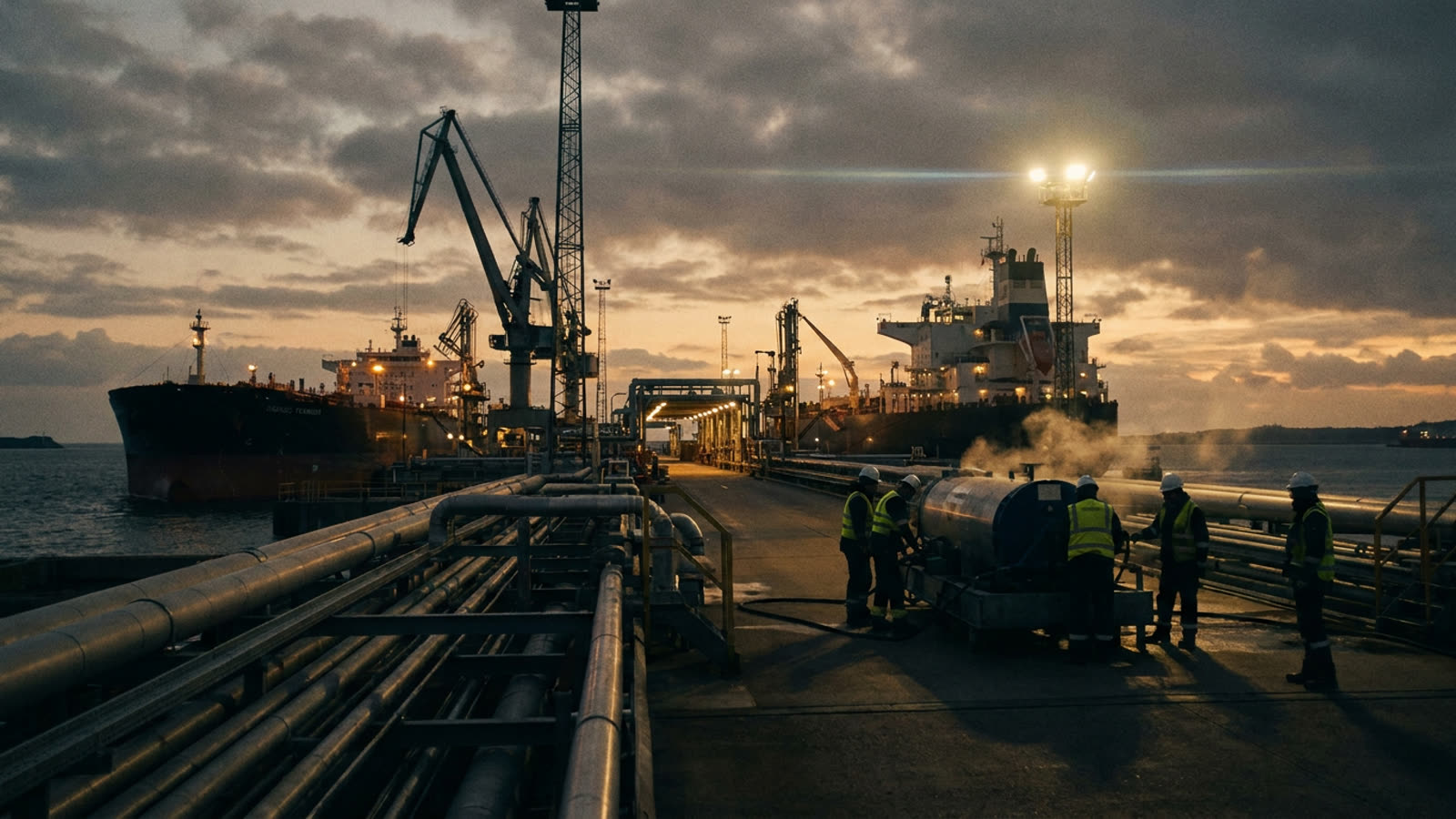
American terminals along the Texas coast have operated near capacity for weeks. The export surge is concentrated in medium-grade crudes that Asian refiners prefer—exactly the barrels that would normally come from the Persian Gulf. For shale producers who spent years building out pipeline and port infrastructure, the timing borders on providential.
Winners and losers
The beneficiaries extend beyond oil majors. Midstream operators—the pipeline and terminal companies that move crude from wellhead to tanker—are seeing utilization rates they haven't enjoyed since the post-pandemic demand snap-back. Refiners in Europe and Asia, meanwhile, are paying through the nose. The spread between landed crude costs in Rotterdam and Houston has widened to levels that make transatlantic arbitrage almost too easy.
The losers are equally clear. Gulf producers face the indignity of discounting their barrels to compete, even as they bear no responsibility for the shipping disruptions. Asian economies, particularly China and India, confront higher input costs at precisely the moment their manufacturing sectors need relief. And consumers everywhere will eventually see the pass-through at the pump.
Our take
This is geopolitics doing what policy couldn't. American energy independence was always more slogan than reality—the U.S. remained tied to global pricing regardless of domestic production. But the Strait's troubles have created something genuinely new: a moment when American oil isn't just competitive but preferred. Enjoy it while it lasts. The Strait will eventually stabilize, insurance premiums will normalize, and the arbitrage window will close. Until then, Texas is having the best spring it's had in years.