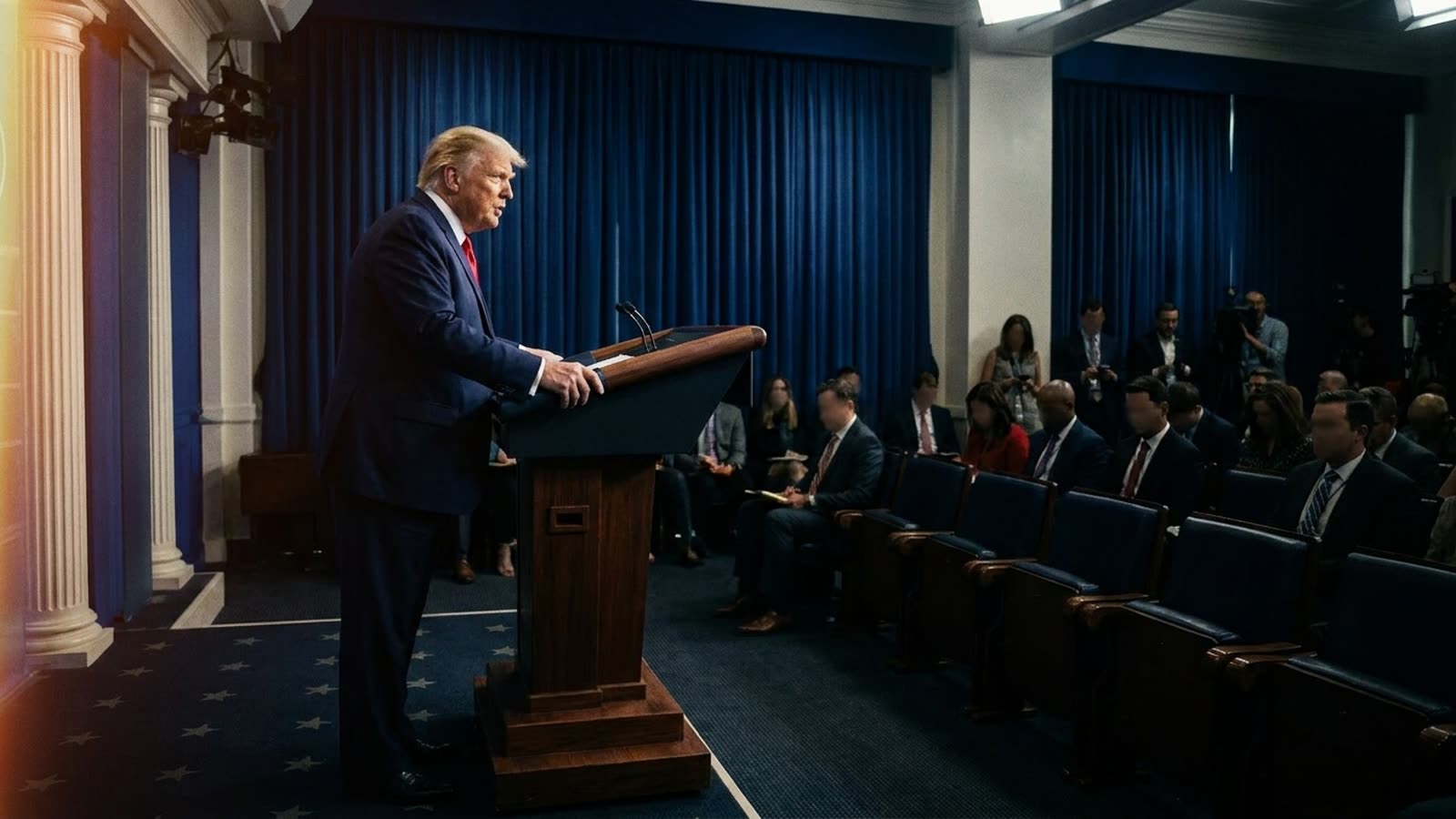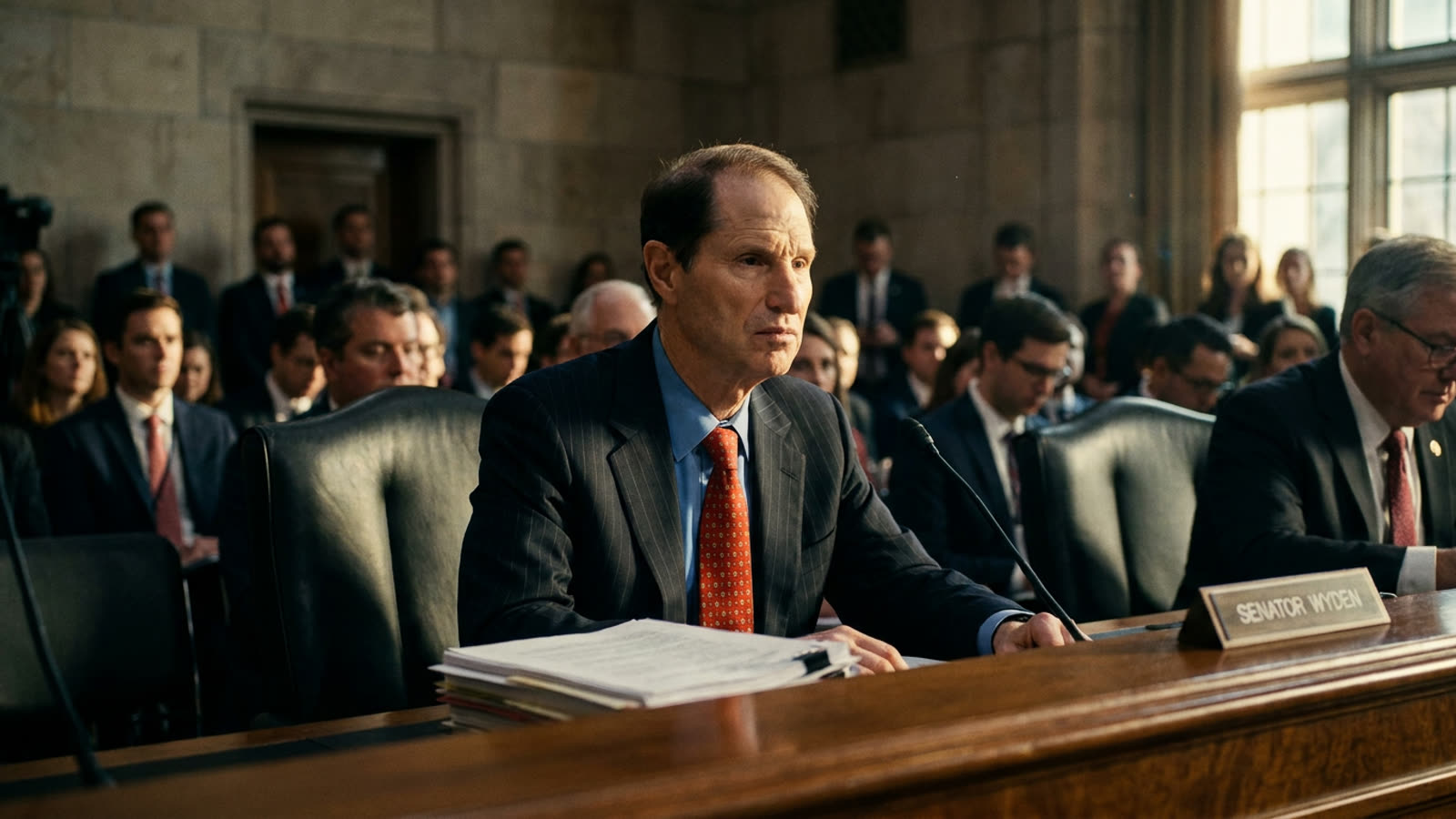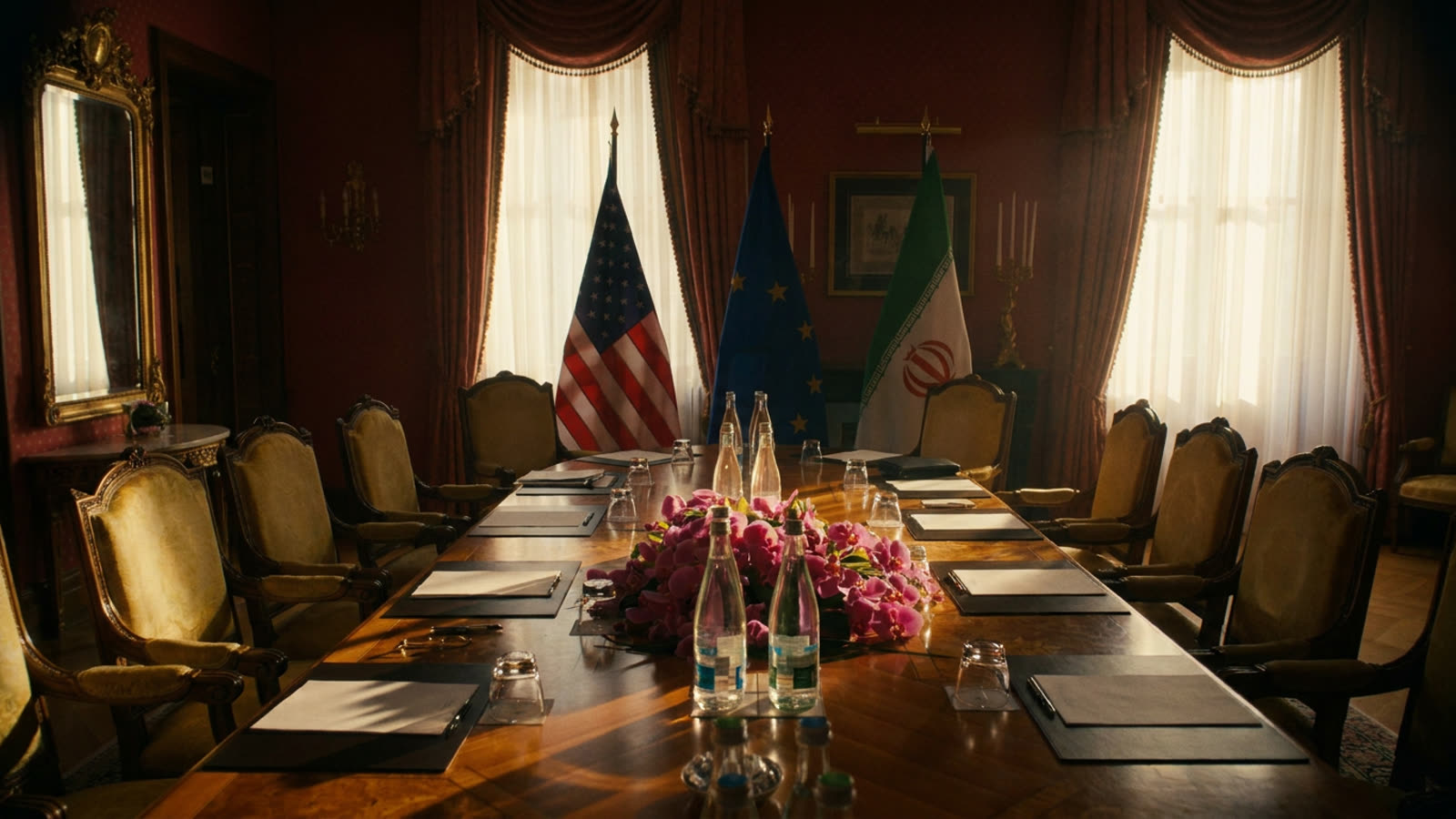
The contours of a potential US-Iran nuclear accommodation are becoming visible, and America's Middle Eastern allies do not like what they see.
As the Trump administration weighs a framework that would ease sanctions in exchange for limits on Iran's nuclear program, Israeli officials and their supporters in Washington are using unusually blunt language. The phrase circulating in diplomatic cables and congressional back channels is stark: Israel is being "thrown under the bus." Whether that assessment is fair matters less than the fact that it is being made at all—by people who have spent decades assuming American and Israeli interests were functionally identical.
The strategic logic, such as it is
The administration's calculus appears straightforward. Iran's nuclear stockpile has grown substantially since the collapse of the 2015 JCPOA, and the cost of military options has risen accordingly. A negotiated freeze, even an imperfect one, offers a path that avoids both a nuclear-armed Iran and a regional war that would send oil prices spiraling. For a president who has made transactional dealmaking his brand, the appeal is obvious.
But transactions have counterparties, and Israel is not at the table. The emerging framework reportedly sidelines Israeli demands for addressing Tehran's ballistic missile program and its support for regional proxies—issues Jerusalem considers existential. Israeli officials have watched the Situation Room deliberations with growing alarm, aware that each day without a decision is a day closer to a fait accompli they cannot reverse.
The alliance under strain
The rupture is not merely about policy specifics. It reflects a deeper uncertainty about the nature of American commitments in a multipolar world. Gulf states, already hedging with Beijing, are taking notes. If Washington can recalibrate its posture toward Iran without meaningful Israeli input, what does that suggest about the durability of other regional arrangements?
The irony is considerable. This is the same administration that moved the US embassy to Jerusalem and recognized Israeli sovereignty over the Golan Heights. Those gestures now look less like strategic commitments than like chips cashed in for domestic political benefit—symbolic wins that cost nothing and bound the US to nothing.
Our take
Alliances are not contracts; they are relationships, and relationships survive on trust more than treaties. The US may well conclude that an Iran deal serves American interests, and that conclusion may even be correct. But the manner of its pursuit—the sidelining of a partner that has oriented its entire security architecture around American reliability—will echo long after the ink dries. Israel will adapt, as small states with large enemies always do. The question is whether it will adapt in ways Washington finds comfortable.