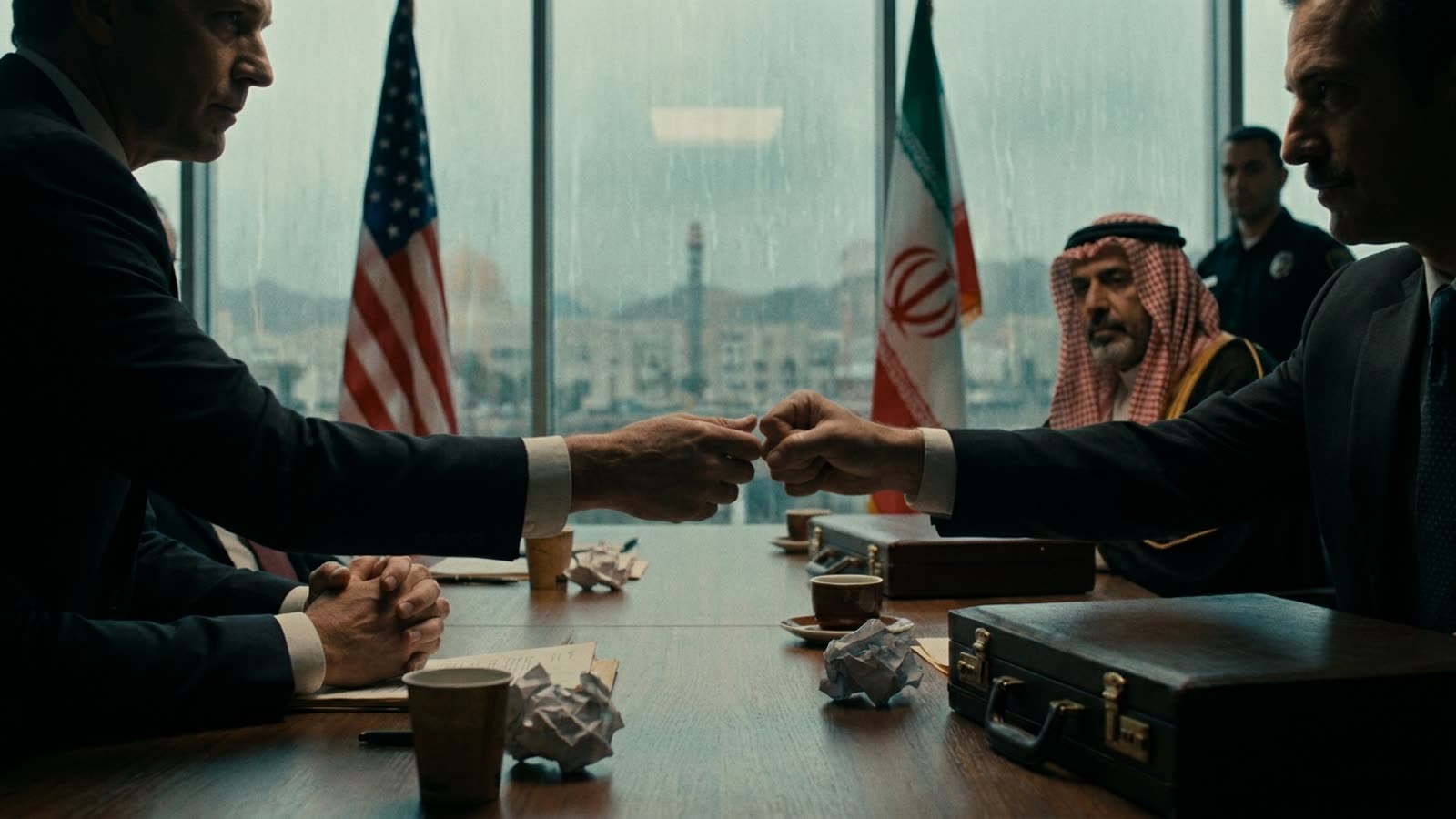
The Trump administration is negotiating with Iran, and the terms being discussed would effectively sideline Israel from the regional security architecture Washington has spent seventy years constructing. That is not spin from Tehran or hand-wringing from Tel Aviv—it is the assessment emerging from multiple diplomatic sources familiar with the Situation Room deliberations that concluded Thursday without a final decision.
The contours of the nascent agreement remain fluid, but the direction is unmistakable: Washington appears willing to offer Tehran substantial sanctions relief and implicit acceptance of its regional influence in exchange for verifiable constraints on nuclear enrichment and a cooling of proxy operations against American assets. What the deal conspicuously lacks is any meaningful consultation with Jerusalem or accommodation of Israeli security redlines.
The strategic calculus
The logic animating the American position is brutally transactional. Iran controls the Strait of Hormuz, through which roughly a fifth of global oil transits. It maintains proxy leverage from Lebanon to Yemen. And its nuclear program has advanced to the point where breakout time is measured in weeks, not months. From a pure cost-benefit analysis, accommodation is cheaper than confrontation.
Israel, by contrast, offers Washington less than it once did. The Abraham Accords normalized relations with Gulf states that were already tacitly aligned with Israel against Iran. The military partnership, while deep, is increasingly one-directional: American weapons flow to Israel, but Israeli troops do not deploy alongside American forces. The intelligence relationship remains valuable, but not irreplaceable in an era of satellite surveillance and signals intercepts.
Jerusalem's dwindling options
Israeli officials are reportedly furious, though their public statements have been carefully calibrated to avoid an open breach. The Netanyahu government faces an impossible choice: accept a deal that legitimizes Iranian regional hegemony, or oppose Washington openly and risk the diplomatic isolation that would follow. Neither path leads anywhere good.
The timing compounds the problem. Israel's military is stretched thin by ongoing operations in Gaza, where Hamas is warning against further escalation even as Israeli forces push deeper into the territory. A confrontation with Iran—or even the credible threat of one—requires resources and international backing that may no longer be available.
Our take
This is what the end of an era looks like: not with a dramatic rupture, but with a quiet recalculation of interests. The United States has not abandoned Israel, but it has decided that Israeli preferences are no longer dispositive in American Middle East policy. That is a profound shift, and one that neither party to the relationship seems fully prepared to acknowledge. The deal may yet fall apart—Trump left the Situation Room without committing to anything—but the willingness to negotiate on these terms reveals a new American posture that will outlast any single agreement.