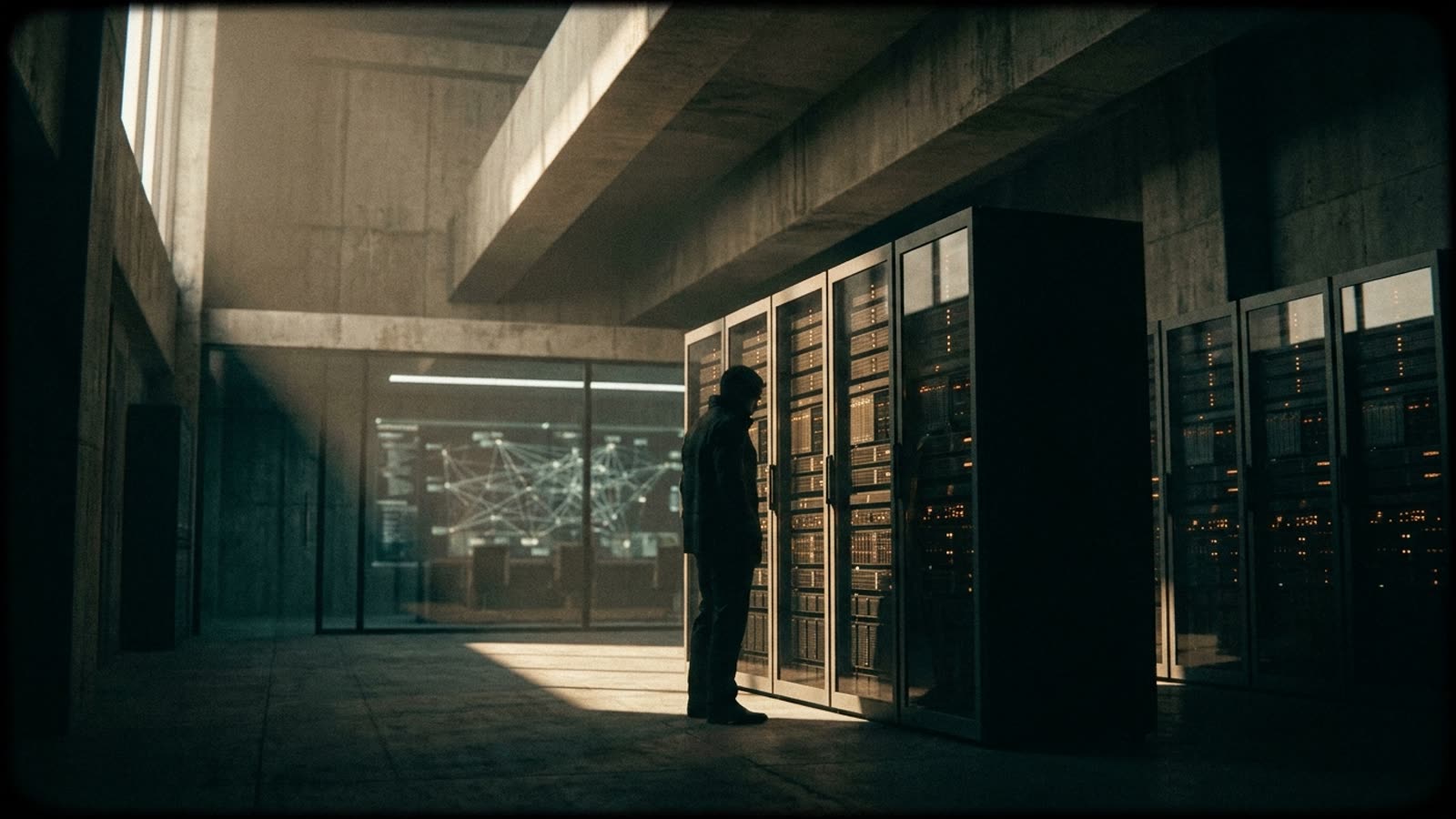
The official explanation for why the Trump administration barred Anthropic's Claude models from federal use centered on a supposed "jailbreak" vulnerability — a claim that dissolved under scrutiny within days. The real story is considerably more interesting, and considerably more consequential for the handful of companies vying to become the default intelligence layer of the American state.
What actually happened is a case study in how AI procurement has become indistinguishable from national security politics. The ban, which took effect earlier this month and forced agencies to migrate away from Claude-based systems, was never primarily about technical vulnerabilities. It was about control, clearances, and the uncomfortable question of which private companies should be trusted with the most sensitive functions of government.
The jailbreak that wasn't
The administration's initial justification pointed to a research paper demonstrating that Claude could be manipulated into producing harmful outputs under certain adversarial conditions. This is true of every major language model ever deployed, including those from OpenAI and Google that remain approved for federal use. The vulnerability was neither novel nor specific to Anthropic.
Security researchers noted that the cited paper had been public for months before the ban, and that Anthropic had already implemented mitigations. The timing — coinciding with contract renewal negotiations and a broader reshuffling of AI advisory roles in the executive branch — suggested the jailbreak was pretext rather than cause.
The clearance question
More revealing is the parallel track of security clearance reviews that preceded the ban. Several Anthropic employees with access to federal deployment systems had their clearances delayed or challenged in recent months, a process that created operational friction well before any public announcement. The company's leadership, which includes prominent figures who have been publicly critical of certain administration policies, found itself navigating an approval process that seemed to move at a different pace than competitors faced.
This is not illegal, nor even necessarily improper. Security clearances are discretionary, and the government has broad latitude to decide whom it trusts with sensitive access. But it does illuminate how AI procurement is becoming a loyalty test as much as a capability assessment.
The real prize
At stake is not merely which chatbot federal employees use to draft memos. The deeper competition is over classified systems, intelligence analysis tools, and the eventual integration of AI into defense and diplomatic functions. Whoever wins those contracts will shape how the American government thinks — literally, in terms of what information gets surfaced, summarized, and prioritized for human decision-makers.
OpenAI, which has cultivated closer relationships with the current administration, stands to absorb much of the displaced Anthropic business. Microsoft's Azure Government cloud, which hosts OpenAI's models, is already the dominant platform for federal AI workloads. The ban accelerates a consolidation that was already underway.
Our take
The jailbreak narrative was always implausible as a primary motivation — the vulnerability was generic, the timing suspicious, the enforcement selective. What we are witnessing is the politicization of AI infrastructure, a development that should concern observers regardless of their views on any particular company or administration. When the government's choice of AI vendor becomes a proxy for political alignment, the long-term losers are the institutions that need the best tools, not the most loyal ones. Anthropic may or may not deserve federal contracts on the merits; that question is now impossible to separate from questions that have nothing to do with capability or security.