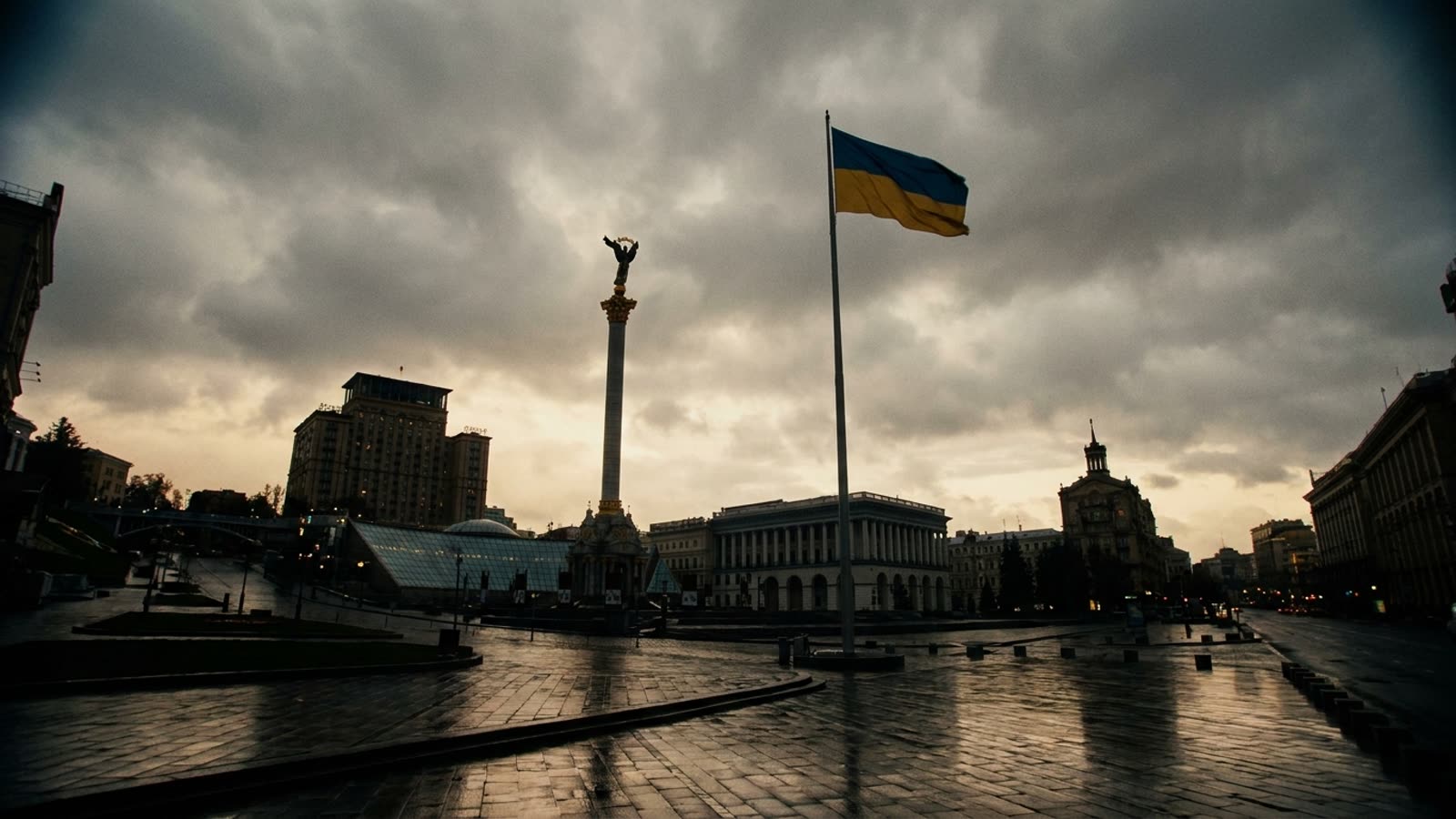
The Ukraine war has entered its fourth year with a new and perhaps more dangerous phase: irrelevance. As the Trump administration pours diplomatic capital and military resources into its troubled Iran campaign, the conflict that once dominated Western strategic thinking has slipped into a kind of bureaucratic maintenance mode—still deadly, still destabilizing, but no longer commanding the urgent attention it once did.
This is not peace. Ukrainian and Russian forces continue to trade artillery fire along a front line that has barely moved in eighteen months. Civilians die weekly. Infrastructure crumbles. But the political energy that once animated emergency NATO summits and billion-dollar aid packages has dissipated, redirected toward the Persian Gulf.
The attention economy of war
Modern conflicts compete for bandwidth in ways their predecessors never did. The Ukraine war benefited enormously from its early months of intense Western focus—weapons flowed, sanctions tightened, and European unity crystallized around Kyiv's defense. But attention is finite, and the Iran war has consumed nearly all of it since February.
The result is a curious form of strategic abandonment. Aid continues, but at reduced levels and with less political enthusiasm. Diplomatic initiatives have stalled. The much-discussed spring offensive that was supposed to shift momentum never materialized, partly because the weapons and intelligence support that would have enabled it were diverted elsewhere.
Moscow has noticed. Russian forces have adopted a patient posture, content to hold their gains while Western resolve erodes. The Kremlin's calculation appears to be that time favors them—that a distracted America and a war-weary Europe will eventually accept the current lines as a de facto new border.
Kyiv's narrowing options
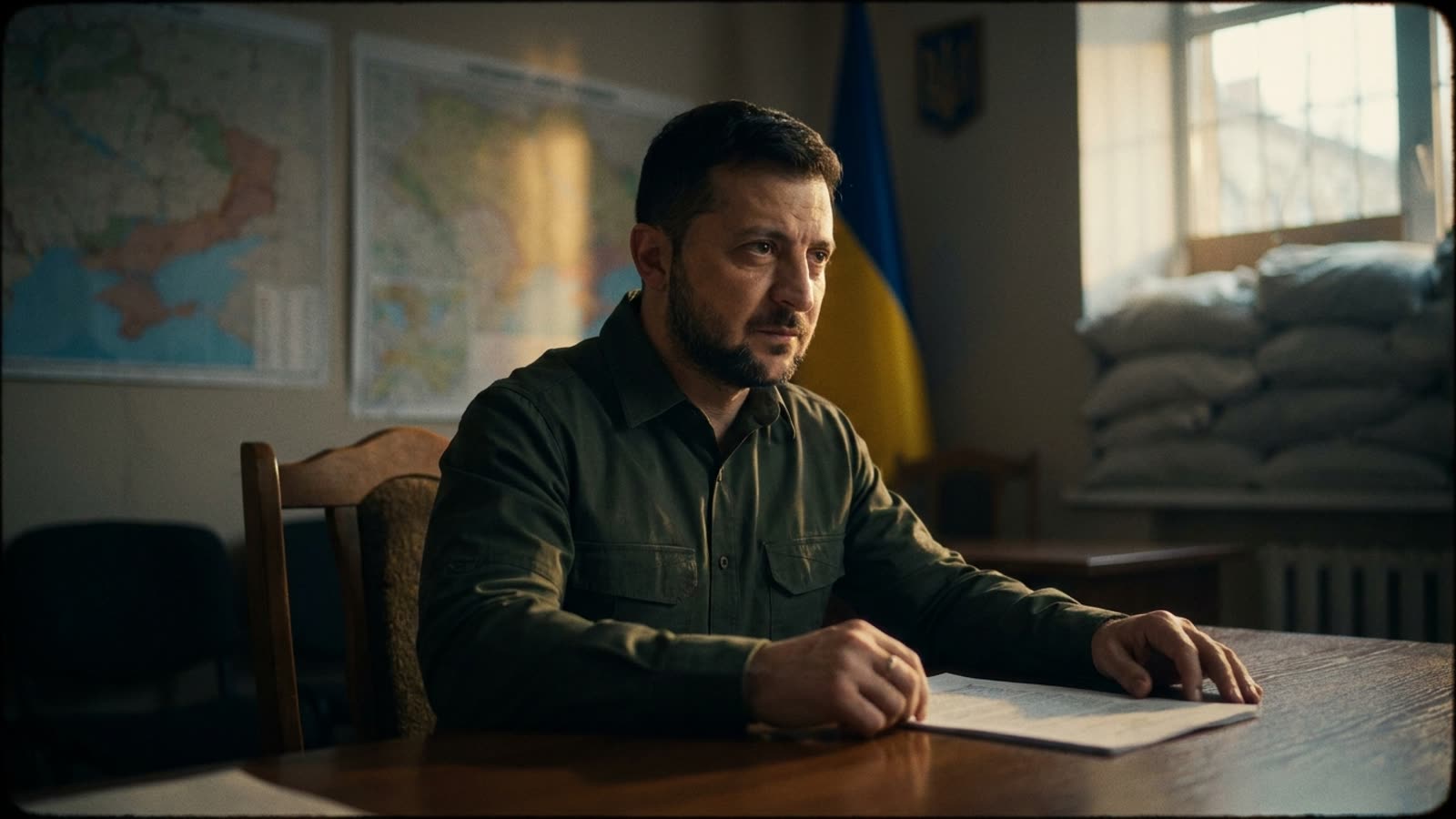
President Zelenskyy's recent complaint about "unfair" associate EU membership terms reflects a deeper frustration. Ukraine sacrificed enormously on the promise of Western integration, only to find that promise increasingly hollow. The EU offer—a halfway status that provides some benefits without the full commitment of membership—looks less like a stepping stone than a permanent holding pen.
The bitter irony is that Ukraine's very success in surviving the initial Russian onslaught may have undermined its case for continued priority. A country that was supposed to fall in days proved resilient enough to fight to a stalemate. But stalemates don't generate headlines or emergency summits. They generate fatigue.
Our take
Frozen conflicts are not neutral outcomes—they are victories for the aggressor who gets to keep what they seized. The West's drift toward accepting a Korean-style division of Ukraine would reward Russian territorial conquest and signal to every revisionist power that patience and Western distraction are reliable allies. The Iran war will end eventually. The question is whether anyone in Washington will remember that another war never really stopped.