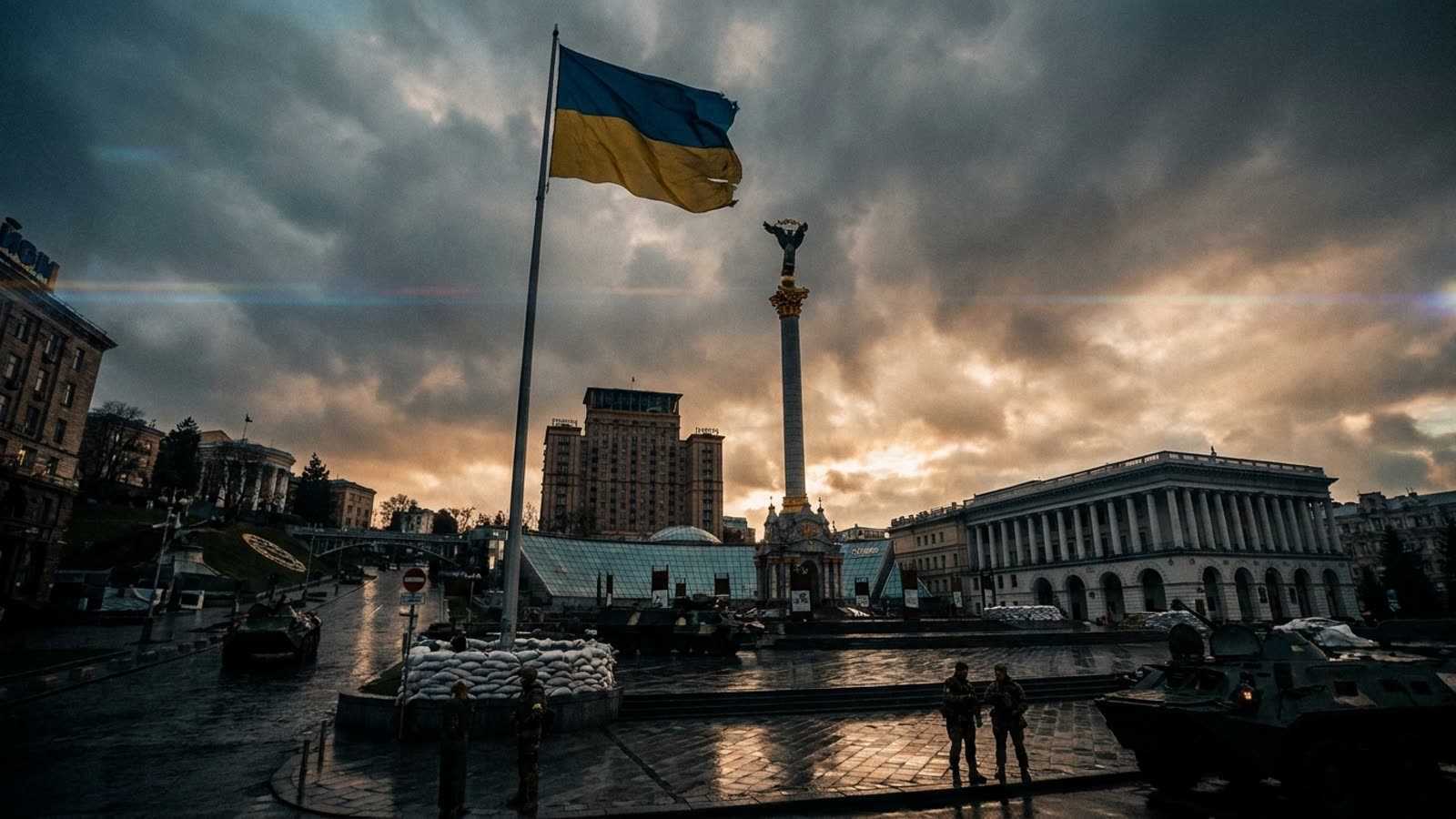
The Ukraine-Russia war has settled into a grim equilibrium that satisfies no one and threatens everyone. As the conflict enters its fifth summer, the frontlines have barely moved in eighteen months, yet the human and economic costs continue to compound at a staggering rate. This is not peace—it is organized attrition with nuclear powers circling the edges.
The fundamental problem is arithmetic. Ukraine lacks the manpower to break through Russian defensive lines that have been fortified since late 2024. Russia, meanwhile, has the bodies but not the precision weaponry or tactical competence to achieve its maximalist goals. Both militaries are burning through equipment faster than their industrial bases can replace it, creating a war of diminishing capabilities rather than decisive campaigns.
The manpower crisis
Ukraine's mobilization challenges have become acute. After lowering the conscription age and tightening exemptions, Kyiv still struggles to rotate exhausted frontline units. The average Ukrainian soldier has been fighting for over two years—a duration that degrades combat effectiveness regardless of morale. Russia's approach of throwing poorly-trained conscripts into meat-grinder assaults produces horrific casualties but maintains pressure across a 1,200-kilometer front.
Western military aid continues but has shifted from game-changing systems to sustainment supplies. The F-16s that arrived with fanfare have proven useful for air defense but cannot achieve the air superiority Ukraine needs for maneuver warfare. Artillery shells remain the limiting factor, with European production still ramping up toward promised levels.
The diplomatic vacuum
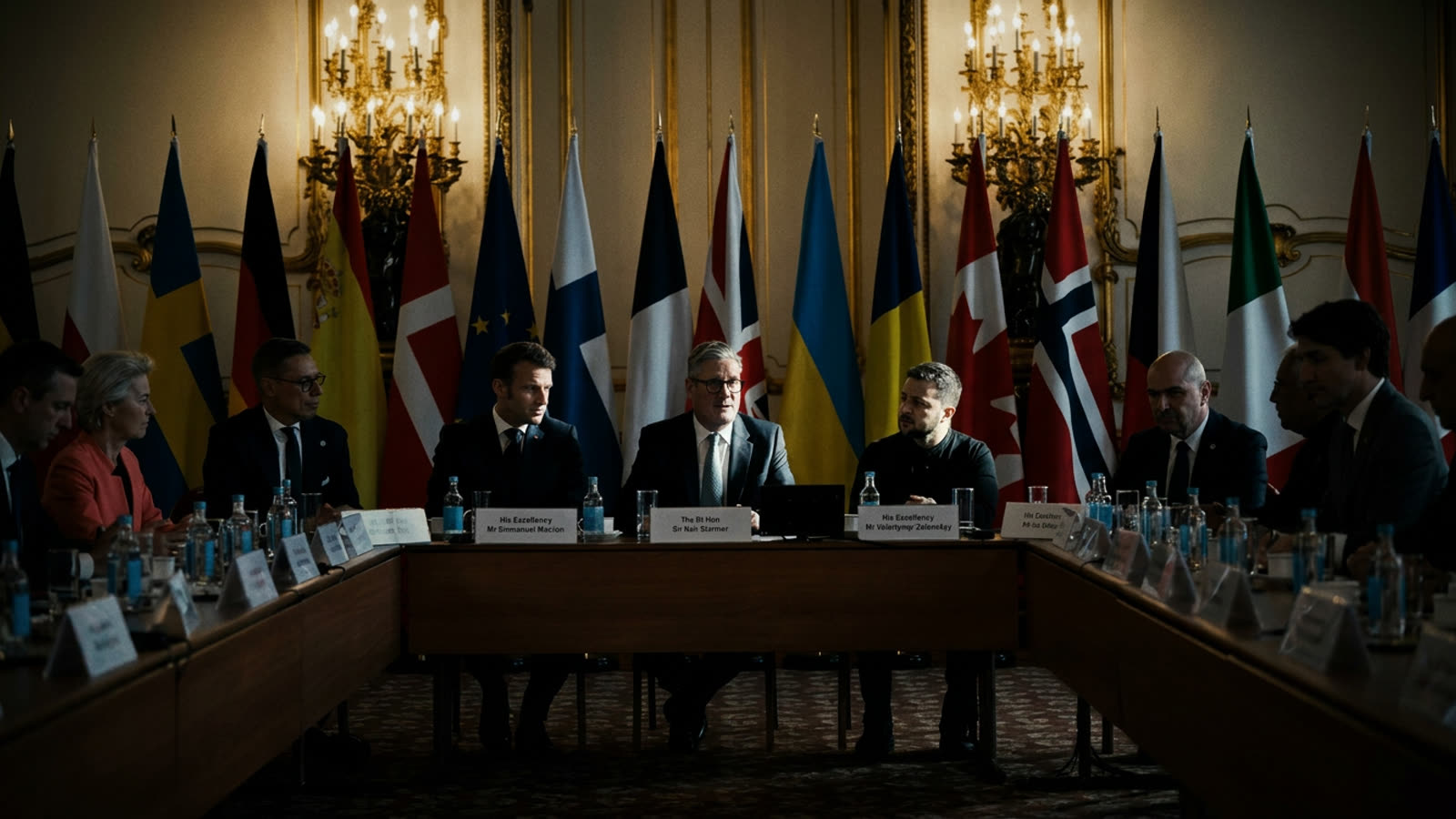
Ceasefire talks in various capitals have produced nothing but photo opportunities. The fundamental gap remains unbridgeable: Russia demands territorial recognition and Ukrainian neutrality; Ukraine insists on sovereignty and security guarantees. Neither side has incentive to compromise while believing time favors their position.
The Trump administration's approach—simultaneously pressuring both sides while claiming imminent breakthroughs—has confused allies without producing results. European leaders increasingly discuss security arrangements that assume American commitment cannot be guaranteed beyond any single administration.
Our take
This war will not end with a battlefield victory. It will end when one side's political will collapses, or when an escalation forces outside powers to impose terms. The current trajectory—grinding attrition punctuated by long-range strikes on civilian infrastructure—could continue for years. The West's strategic patience is being tested against Russian tolerance for casualties. Neither metric is encouraging.