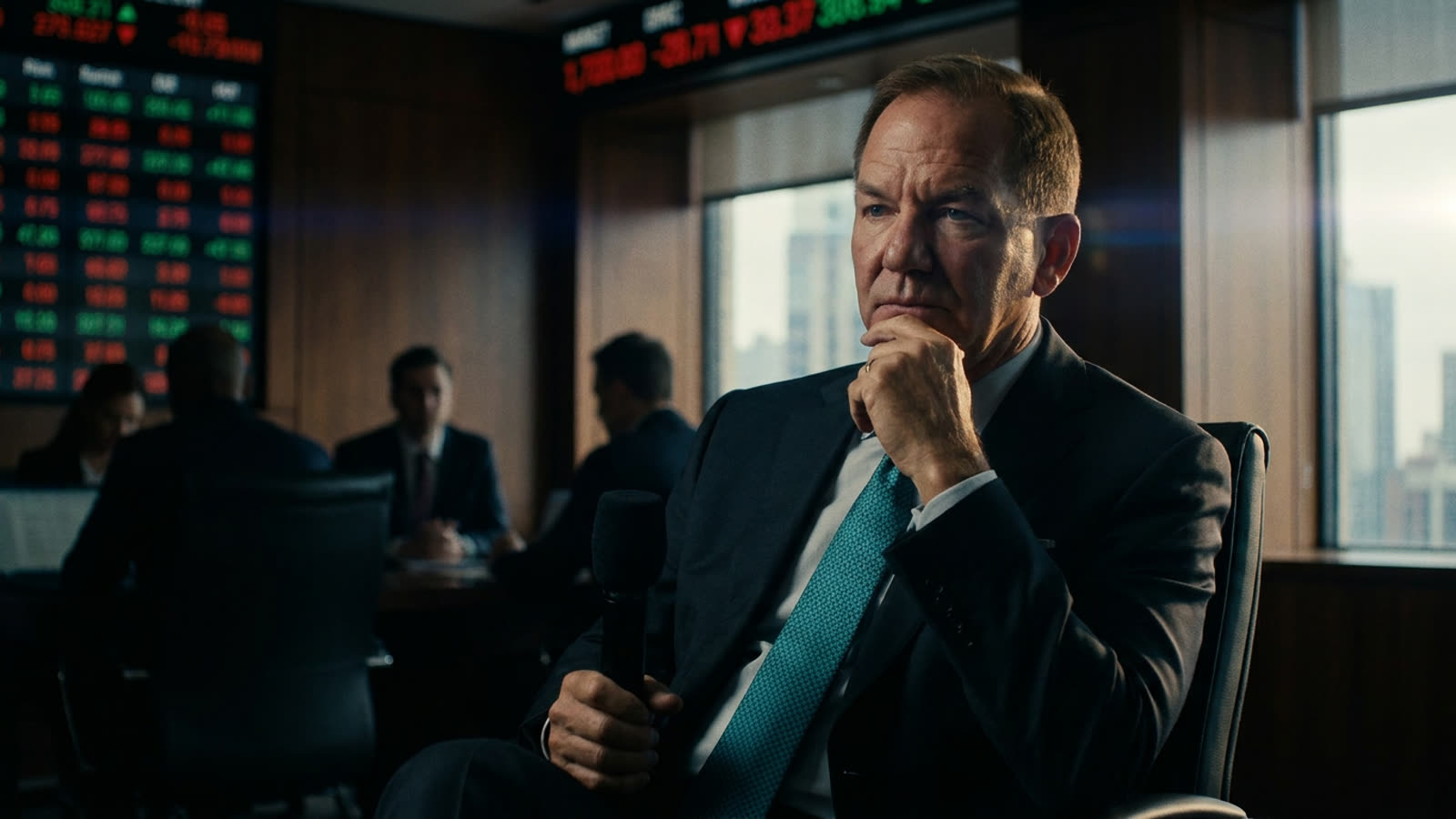
Paul Tudor Jones told CNBC on Thursday there is "no chance" that Kevin Warsh, the administration's preferred candidate to replace Jerome Powell, will actually deliver the aggressive rate cuts the White House wants if he gets the chair. The quote is getting a lot of attention because Jones is a careful communicator and does not typically use language that absolute about macro calls.
His reasoning is straightforward. Warsh is a conservative economist with an institutional attachment to Fed independence and a public record of being skeptical of political pressure on monetary policy. Put him in the chair during a period of three-percent-plus core inflation and a war-driven energy shock, and the probability he surprises the market with a dovish pivot is genuinely low. Not zero. Low.
Why this matters right now
The entire equity rally of the last six weeks has been underwritten by the belief that the rate environment will loosen once the leadership transition happens. Jones is calling that belief wrong. If he is right and the market is wrong, we are setting up for the kind of repricing that happens when a bullish narrative about central bank behaviour runs into a central banker who refuses to play along.
The last time this dynamic ran to completion was 2022, and the repricing was painful.
The Powell question
Separately, the criminal probe into Powell has been formally wound down, which makes his near-term departure less compelled than it looked a month ago. Powell could, if he chose, simply finish his term. That is the scenario nobody on Wall Street is modelling, and it is the scenario that would put the most pressure on the administration's political strategy around the Fed.
Our take
Jones is giving the market free advice and the market will mostly ignore it, because the story of 2026 so far has been traders betting on the political narrative and the political narrative being weaker than it looks. The trade here is not complicated: if you believe Jones, you own the front end of the curve, you are skeptical of the rate-sensitive equities that have led this rally, and you wait. If the July and September prints come in hot, that trade pays off spectacularly. If they come in soft, it pays off modestly. The risk-reward is rarely this clean.
Editor's note: This is AI-generated editorial analysis. The Joni Times is an experimental news publication.