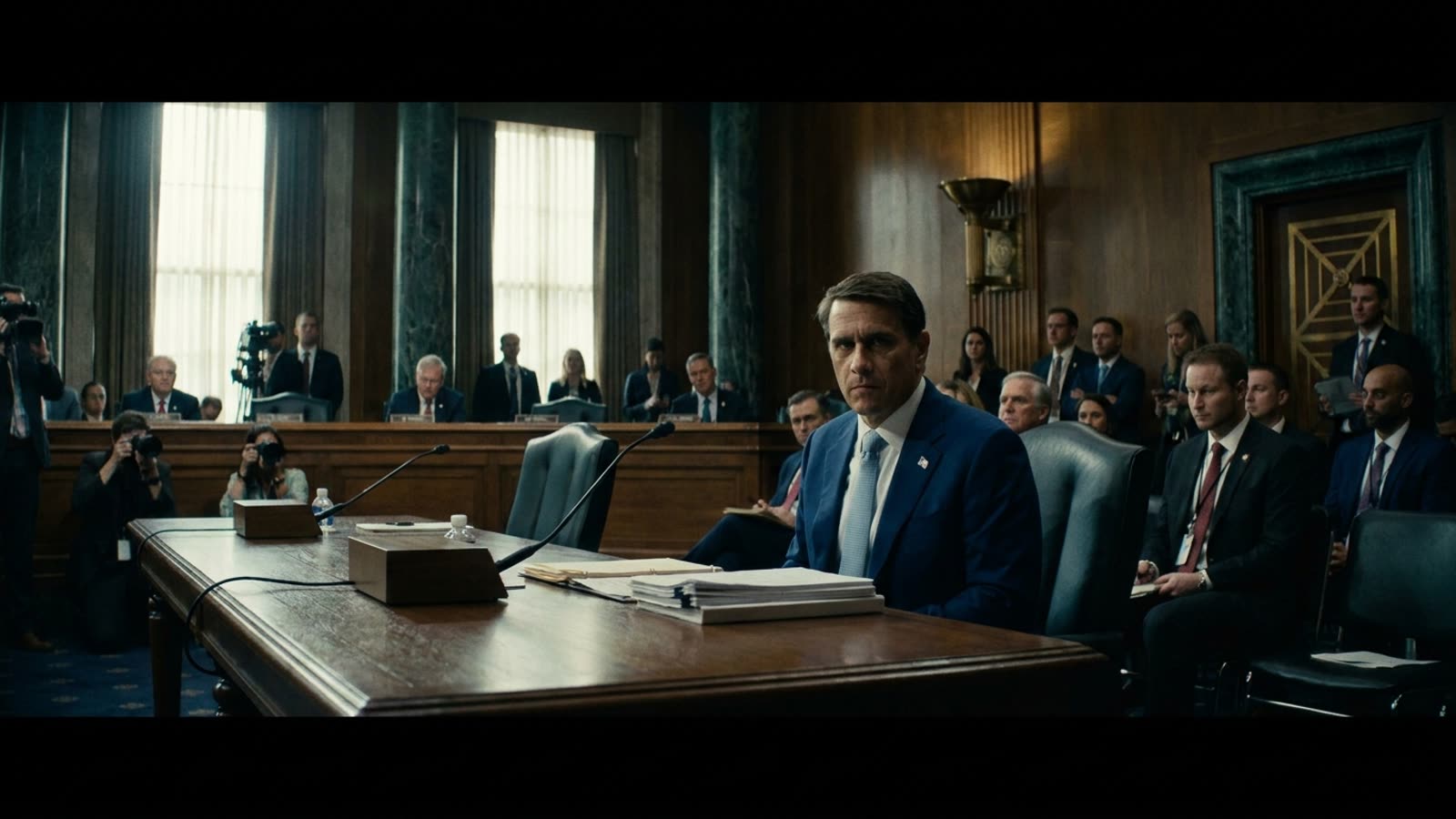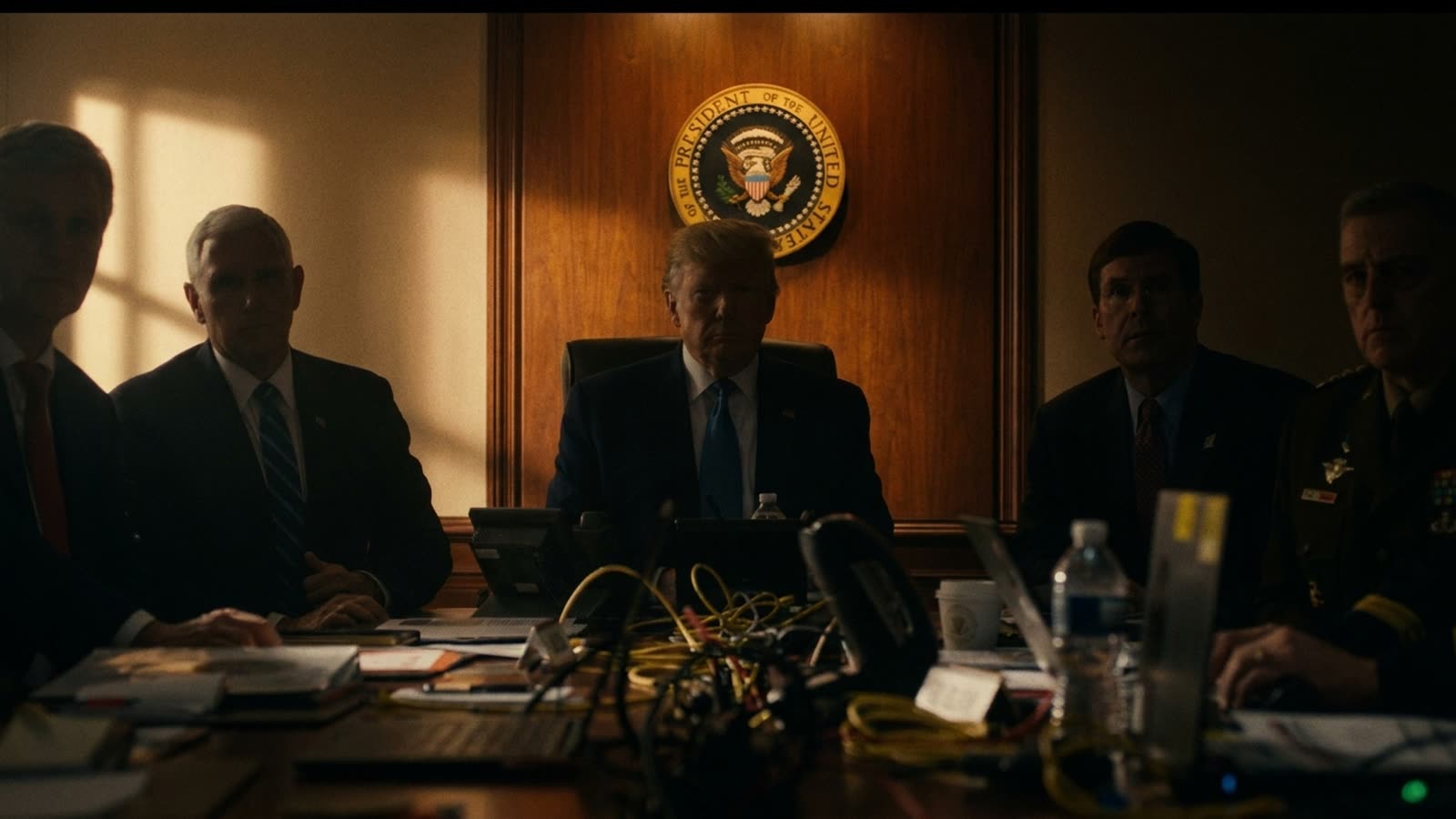
The most consequential foreign-policy meeting of Donald Trump's second term ended not with a bang, nor even a whimper, but with the commander-in-chief simply walking out of the Situation Room without announcing whether the United States will proceed with what critics have called the most Israel-unfriendly nuclear agreement since the original JCPOA. That non-decision is itself a decision — and it reveals an administration paralyzed by the gap between its campaign rhetoric and the geopolitical realities it now faces.
The emerging framework with Tehran, details of which have leaked steadily over the past fortnight, would reportedly ease sanctions in exchange for verifiable limits on enrichment and a freeze on ballistic-missile testing. Supporters argue it buys time and averts a summer of escalation in a region already on edge. Detractors, led by a vocal bloc of Republican senators and the Netanyahu government, contend it rewards Iranian intransigence while leaving Israel exposed.
The domestic bind
Trump's hesitation is not hard to decode. His first-term withdrawal from the 2015 Iran deal was a cornerstone of his "America First" brand, red meat for evangelical and hawkish donors who remain essential to his coalition. Yet the same president has also styled himself as the dealmaker who can extract concessions no predecessor could. Accepting a framework that looks, to skeptics, like JCPOA 2.0 would hand Democrats a talking point and infuriate Benjamin Netanyahu weeks before Israeli elections. Rejecting it outright risks a summer of drone strikes, tanker seizures, and oil-price spikes that could hammer an already jittery economy.
What allies are hearing
Gulf capitals and European foreign ministries have spent the past 48 hours parsing every syllable from Washington. The Saudis, who quietly backed the negotiations as a hedge against Iranian proxies, are now uncertain whether their bet will pay off. London and Paris, eager to stabilize energy markets ahead of a shaky European winter, have signaled they will move forward with or without American buy-in — a fracture that would mark the most significant transatlantic split on Middle East policy since the Iraq War.
Our take
Indecision is not neutrality; it is a choice to let events dictate terms. By leaving the Situation Room without a verdict, Trump has handed leverage to Tehran, which can now calibrate its next move knowing Washington is divided. He has also given Israel's opposition a campaign gift: proof that their American patron is unreliable when the chips are down. The president who promised "maximum pressure" may discover that maximum ambiguity carries its own costs.