The Trump administration is once again declaring progress in its confrontation with Iran, this time pointing to what the president describes as a "big" nuclear promise from Tehran. The problem: the commitment in question appears to be a restatement of positions Iran has held for years, not a breakthrough extracted through the administration's hundred-day campaign of strikes and sanctions.
This is spin dressed as statecraft, and it matters because the American public—and Congress—cannot evaluate the administration's Iran policy if every recycled talking point gets presented as a fresh concession.
The anatomy of a non-concession
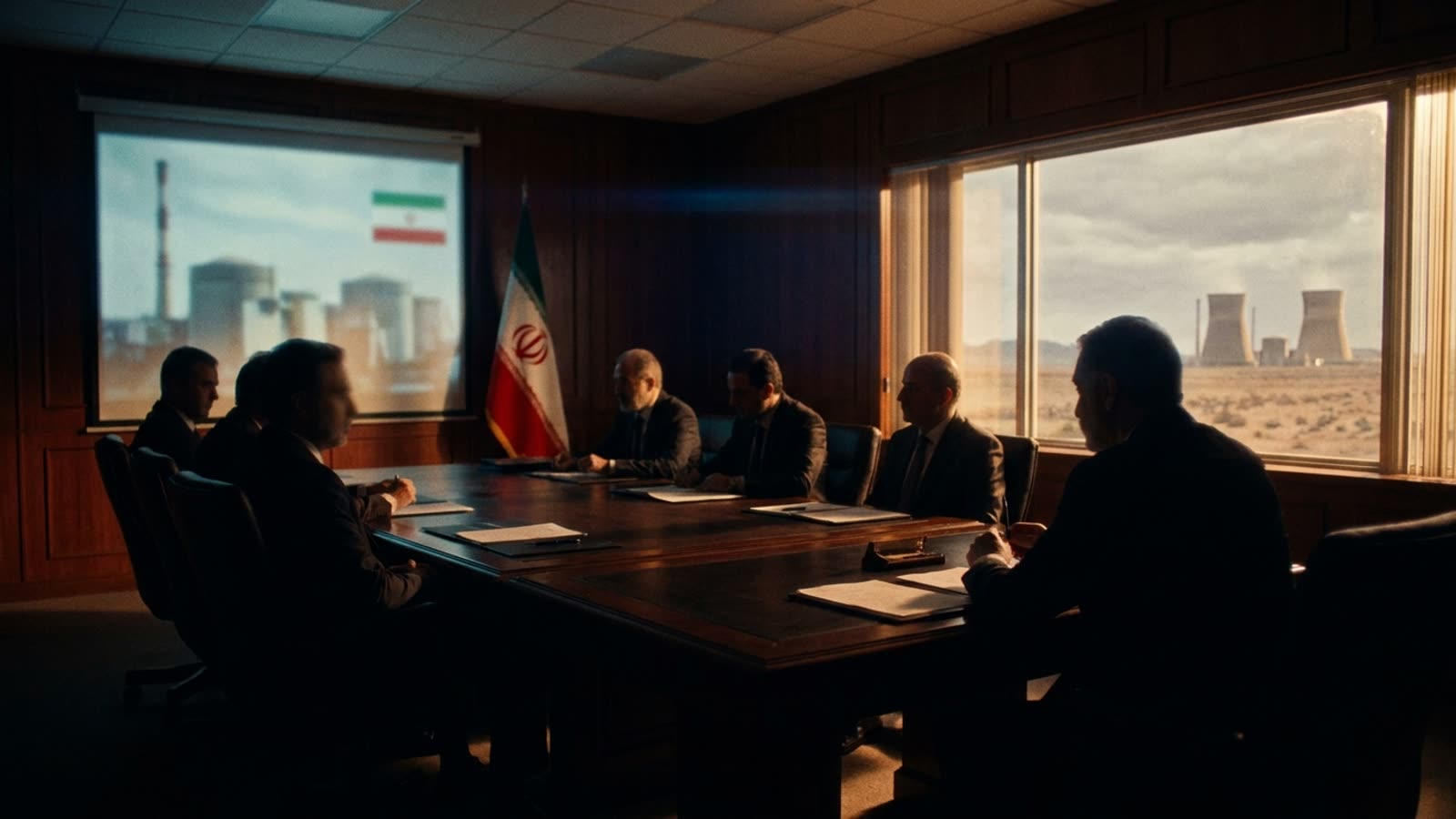
Iran's stated position on nuclear weapons has remained remarkably consistent since the Supreme Leader's fatwa against them decades ago. Tehran has repeatedly affirmed it does not seek nuclear weapons, even as it has expanded enrichment capacity and reduced cooperation with international inspectors. What the administration is now touting as a "promise" appears to be another iteration of this familiar formulation.
The distinction between a genuine diplomatic achievement and rhetorical repackaging is not academic. If Iran has actually agreed to new verification measures, reduced centrifuge operations, or accepted constraints on its ballistic missile program, that would represent meaningful movement. If it has simply repeated that it doesn't want nuclear weapons—a claim it makes while enriching uranium to near-weapons-grade levels—that is not a concession. It is a talking point.
Why the framing matters
The administration has spent the past hundred days conducting strikes on Iranian assets, tightening sanctions, and publicly threatening escalation. This campaign requires justification, and justification requires demonstrable results. The temptation to present any Iranian statement as vindication of the pressure strategy is obvious.
But overclaiming creates its own risks. If the administration declares victory prematurely, it loses leverage for extracting actual concessions. If it trains the public to accept recycled commitments as breakthroughs, it cannot later argue that Iran is negotiating in bad faith when those commitments prove hollow. The credibility problem compounds itself.
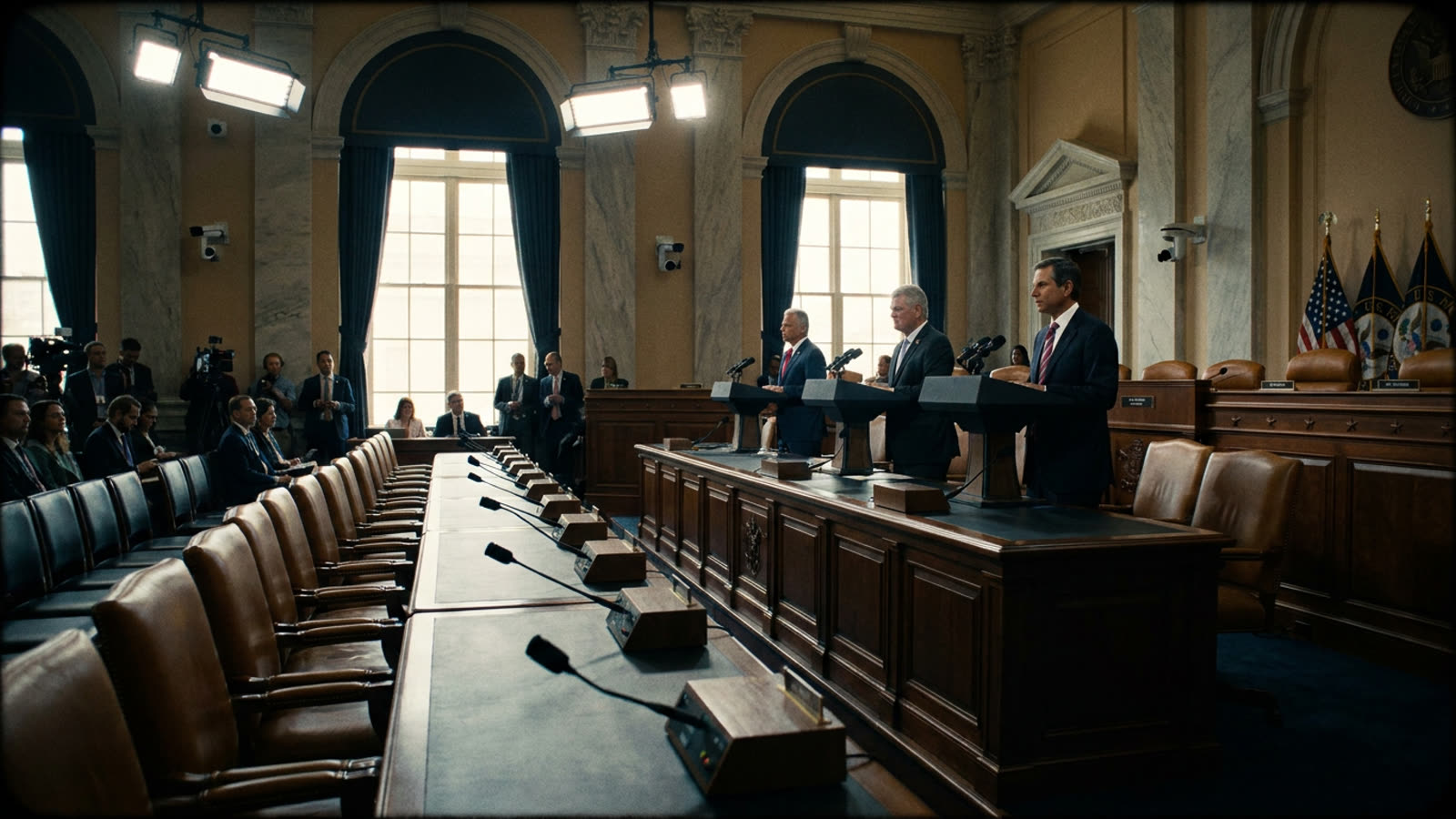
Moreover, Congress is being asked to support an increasingly expensive and dangerous confrontation. Members deserve accurate assessments of what the pressure campaign is actually achieving, not press releases designed to generate favorable headlines.
Our take
There is nothing inherently wrong with a president claiming diplomatic wins—the job requires it. But there is something corrosive about systematically conflating repetition with concession. Iran may or may not be moving toward a genuine deal; the administration's habit of inflating every data point makes it impossible to tell. At some point, the White House will need to demonstrate actual, verifiable progress. Until then, the "big promise" rhetoric is best understood as domestic political messaging, not foreign policy achievement.