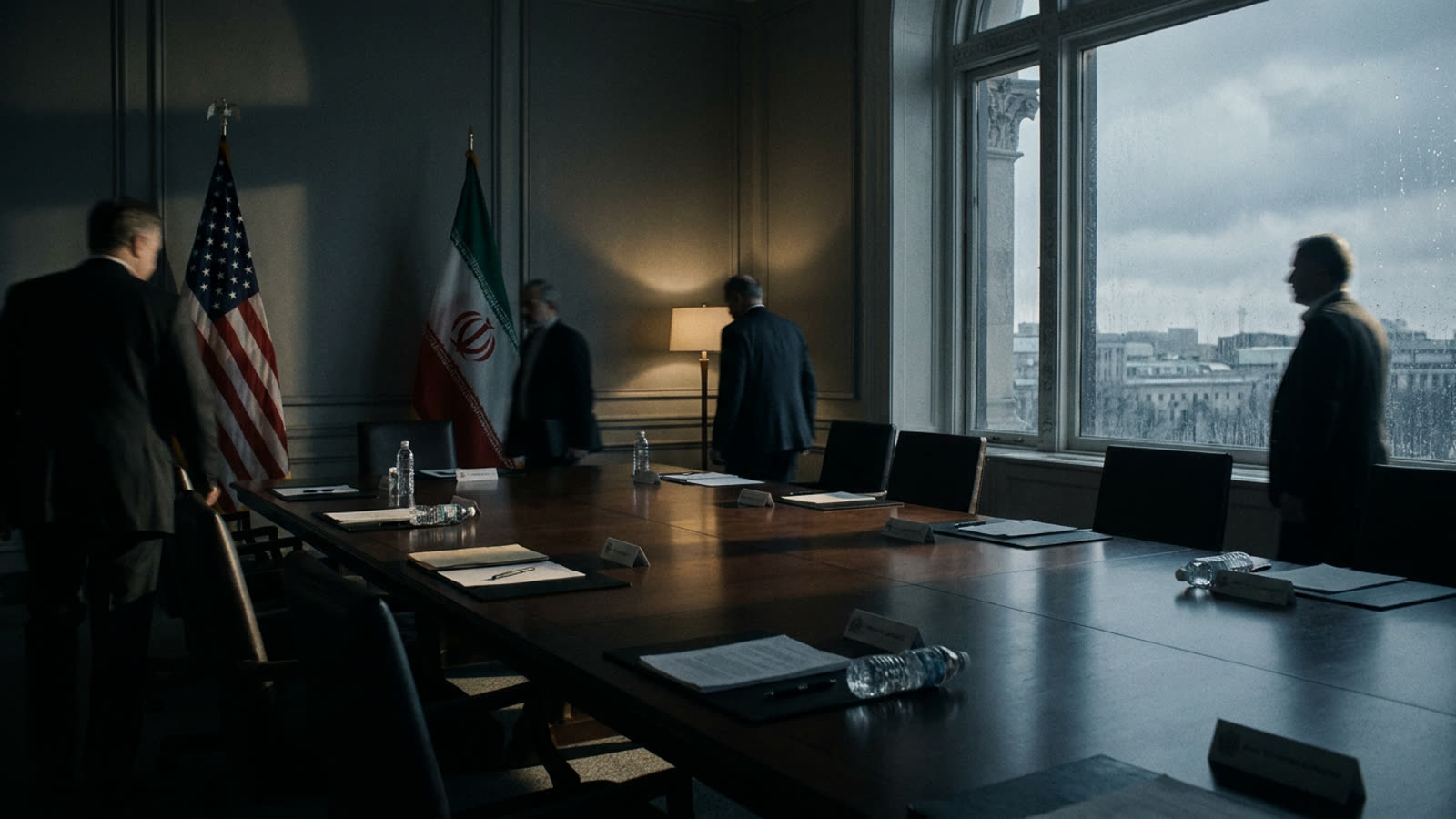
The Trump administration's Iran policy has entered a peculiar loop: announce imminent breakthrough, watch talks stall, blame the other side, repeat. What began as confident dealmaking has calcified into a pattern that risks undermining American credibility at precisely the moment it matters most.
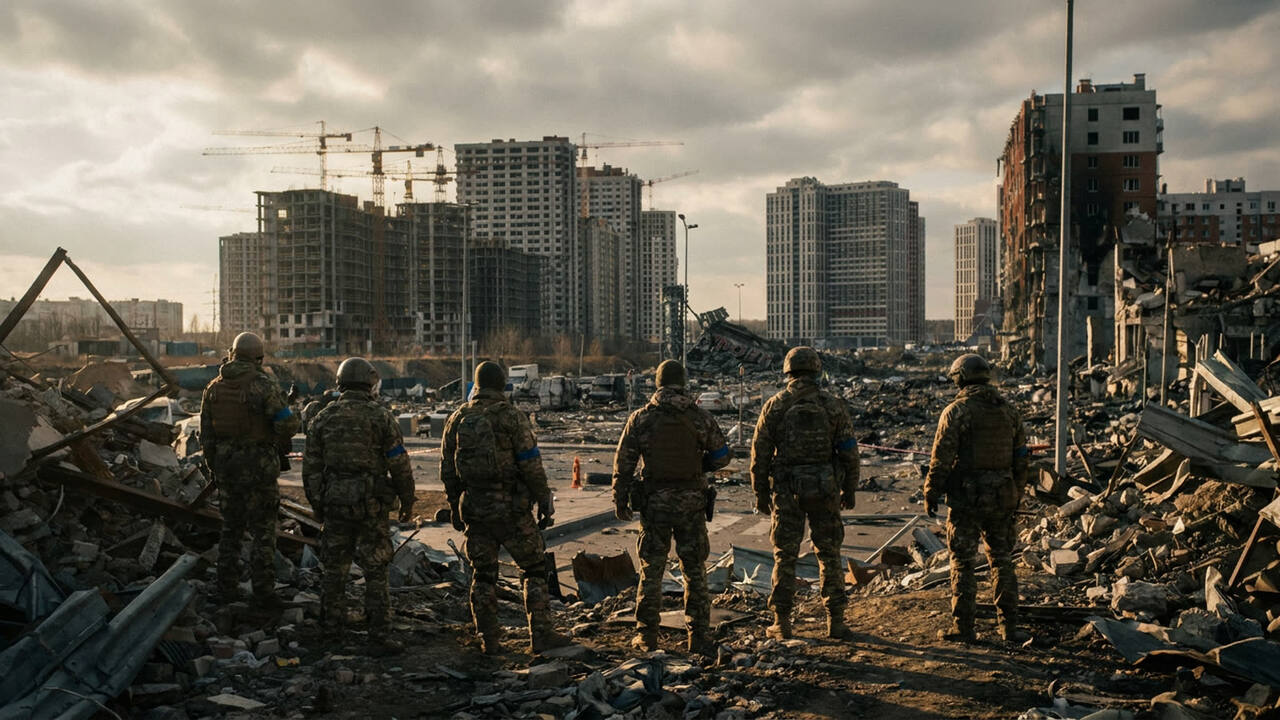
The latest iteration came this week, with the President expressing continued confidence in a forthcoming agreement even as Israel defied White House warnings to launch strikes in Lebanon and Tehran signaled it sees little reason to rush. The gap between rhetorical optimism and diplomatic reality has grown wide enough to drive a centrifuge through.
The 'around the corner' problem
Administrations routinely oversell progress in sensitive negotiations—it's practically a job requirement. But the frequency and specificity of Trump's Iran deal predictions have created a unique vulnerability. Each unfulfilled promise becomes ammunition for hardliners in Tehran who argue that Washington cannot be trusted to deliver, and for skeptics in allied capitals who wonder whether American assurances carry weight.
The dynamic is particularly corrosive because Iran's leadership can simply wait. Domestic political calendars in democracies create urgency that authoritarian regimes can exploit through patience. Every month that passes without a deal shifts leverage incrementally eastward.
Israel complicates the equation
Jerusalem's decision to strike Lebanese targets despite explicit American warnings reveals the limits of Washington's regional influence. Israeli officials calculate, not unreasonably, that their security interests cannot wait for a diplomatic process that may never conclude. But each unilateral action narrows the administration's maneuvering room and reinforces Iranian suspicions that any American commitment can be overridden by its allies.
The White House finds itself in an uncomfortable position: publicly seeking to restrain Israel while privately acknowledging it cannot compel compliance. This visible gap between stated policy and actual outcomes further erodes the credibility essential to closing any deal.
Our take
The administration's Iran approach suffers from a fundamental mismatch between tactics and timeline. Dealmaking bravado works when you can close quickly; stretched over months, it becomes self-defeating. Tehran has learned that American deadlines are suggestions, American warnings to allies are aspirational, and American confidence is performance. None of this makes a deal impossible—but it makes one considerably more expensive, assuming it arrives at all.