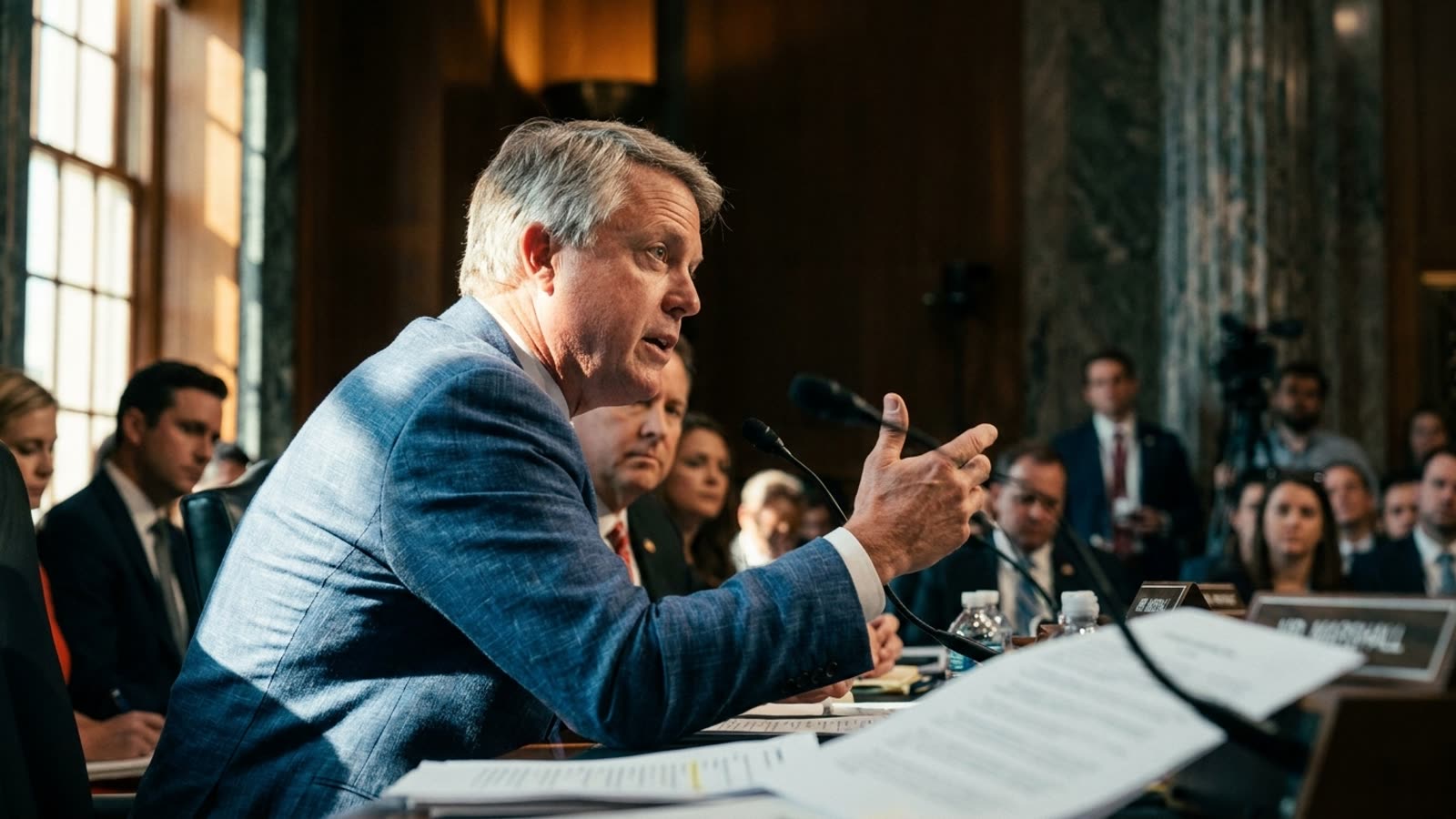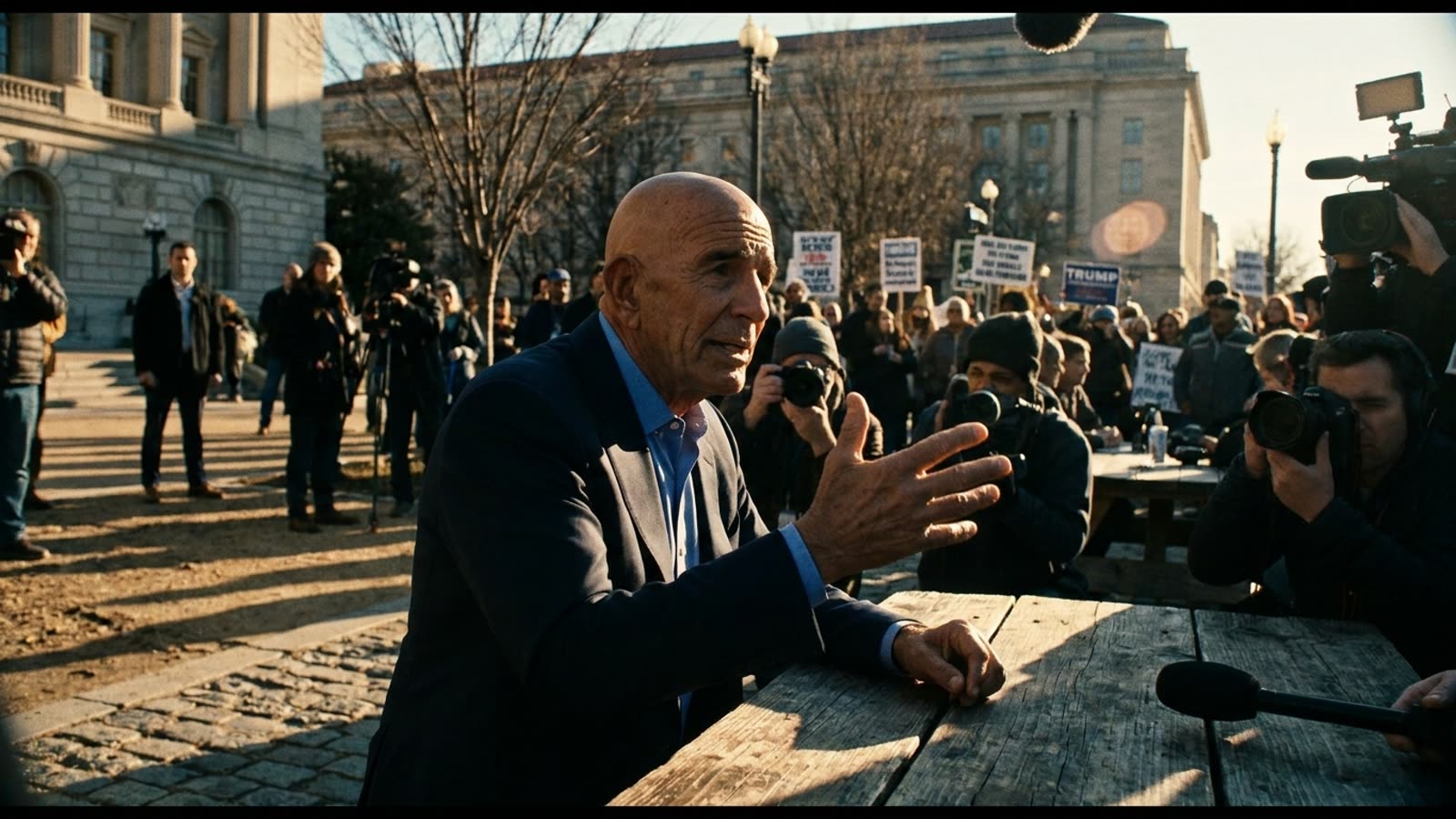
Tom Barrack, the real-estate investor turned Trump confidant turned Middle East envoy, appeared before reporters in Riyadh this week to deliver a message that strains credulity: the United States did not follow Israel into war against Iran. It led, he insisted, or at the very least arrived at the same conclusion independently. The distinction matters enormously to an administration that has spent decades mocking predecessors for letting allies drag America into foreign entanglements.
The problem is the calendar. Israel's initial strikes on Iranian nuclear facilities preceded formal US military involvement by several days. Congressional notification came after Israeli jets were already returning to base. Barrack's revisionism is not merely spin; it is an attempt to rewrite a sequence of events that millions watched unfold in real time.
The credibility gap
Barrack's appointment was always a gamble. His 2021 indictment on charges of acting as an unregistered foreign agent for the United Arab Emirates—later resulting in acquittal—left a residue of suspicion that no amount of diplomatic success could fully dissolve. Now he is the face of American war policy in the Gulf, a region where perception and credibility are currencies as valuable as oil.
His argument rests on a technicality: that the Trump administration had already authorized contingency strikes before Israel acted, making the two operations parallel rather than sequential. Even if true, this framing concedes that Washington was prepared to go to war without the proximate Israeli trigger—a claim that raises its own uncomfortable questions about congressional oversight and the War Powers Act.
Why the spin matters
The administration's sensitivity on this point reflects a genuine political vulnerability. Trump's base was promised an end to forever wars, not a new one. Polling suggests that while a narrow majority of Americans support action against Iran's nuclear program, that support erodes sharply when the question is framed as "following Israel." Barrack's semantic gymnastics are designed for domestic consumption as much as regional diplomacy.
Meanwhile, the war itself grinds on. Iranian retaliation has targeted Saudi infrastructure, American bases in Iraq, and commercial shipping in the Strait of Hormuz. The UK announced this week it will deploy additional jets to defend Saudi Arabia from Houthi attacks—a reminder that the conflict's ripples extend far beyond the Persian Gulf.
Our take
Barrack is doing what envoys do: defending his principal's decisions in the most favorable light possible. But the insistence that America acted independently of Israel is a tell. If the administration were confident in the war's rationale, it would not need to distance itself from the ally whose intelligence and operational planning made the campaign possible. The lady doth protest too much, and so does the envoy.