The crypto industry spent years promising to revolutionize finance. It turns out the revolution looks a lot like buying Treasury bills—just with more steps.
Tokenized U.S. Treasuries have now surpassed $15 billion in total value locked, a milestone that would have seemed absurd three years ago when the entire category barely existed. The growth comes as Bitcoin has stalled in the mid-$60,000 range, unable to break convincingly higher despite a halving cycle that historically fueled rallies. The divergence tells a story the crypto faithful may not want to hear: institutional capital is increasingly interested in blockchain rails, but not necessarily in blockchain speculation.
The yield trade finds a new home
The appeal is straightforward. Tokenized Treasuries offer the security of U.S. government debt with the operational advantages of blockchain settlement—near-instant transfers, fractional ownership, and 24/7 liquidity. For institutional treasurers and crypto-native funds alike, parking cash in a tokenized T-bill yielding north of 5% beats leaving stablecoins idle or chasing volatile altcoins. BlackRock's BUIDL fund, Franklin Templeton's on-chain money market offering, and a constellation of smaller issuers have all seen inflows accelerate in recent months.
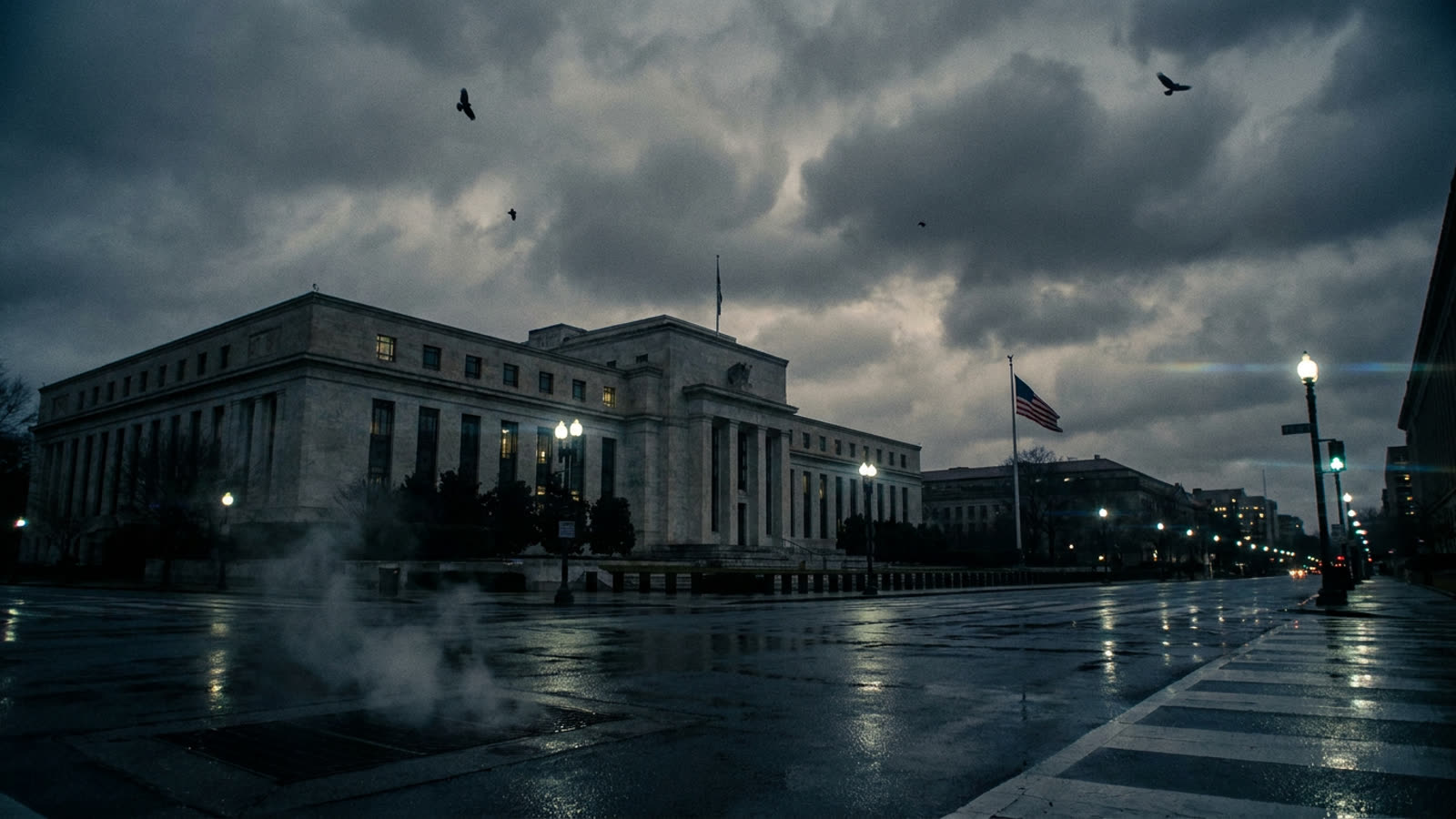
The timing is no coincidence. Hot CPI data this week rekindled fears that the Federal Reserve may need to keep rates elevated longer than markets had hoped, or even hike again. Kevin Warsh, President Trump's nominee to lead the Fed, is widely viewed as more hawkish than his predecessors. Higher-for-longer rates make yield-bearing instruments more attractive relative to non-yielding assets like Bitcoin or gold—and tokenized Treasuries capture that yield while keeping funds on-chain.
Bitcoin's identity crisis
Bitcoin maximalists have long argued their asset is "digital gold," a hedge against monetary debasement and inflation. But if inflation is running hot and Bitcoin isn't rallying, the thesis looks wobbly. The cryptocurrency has traded sideways for months, caught between institutional adoption via spot ETFs and macro headwinds that favor cash and short-duration bonds. Ethereum and the broader altcoin market have fared worse, with many tokens down 30-50% from their cycle highs.
The contrast with tokenized Treasuries is stark. One asset class promises speculative upside and delivers stagnation; the other promises modest, predictable yield and delivers exactly that. For risk managers at hedge funds and family offices, the choice has become easier.
Our take
This is what maturation looks like, and it's neither triumph nor tragedy. Crypto's most durable contribution may not be a new monetary system but a better plumbing layer for the existing one. Tokenized Treasuries are not exciting—they are, almost by design, the least exciting thing you can put on a blockchain. But $15 billion in adoption suggests the market has decided that boring and useful beats revolutionary and volatile. The true believers will call it a betrayal. Everyone else will call it progress.