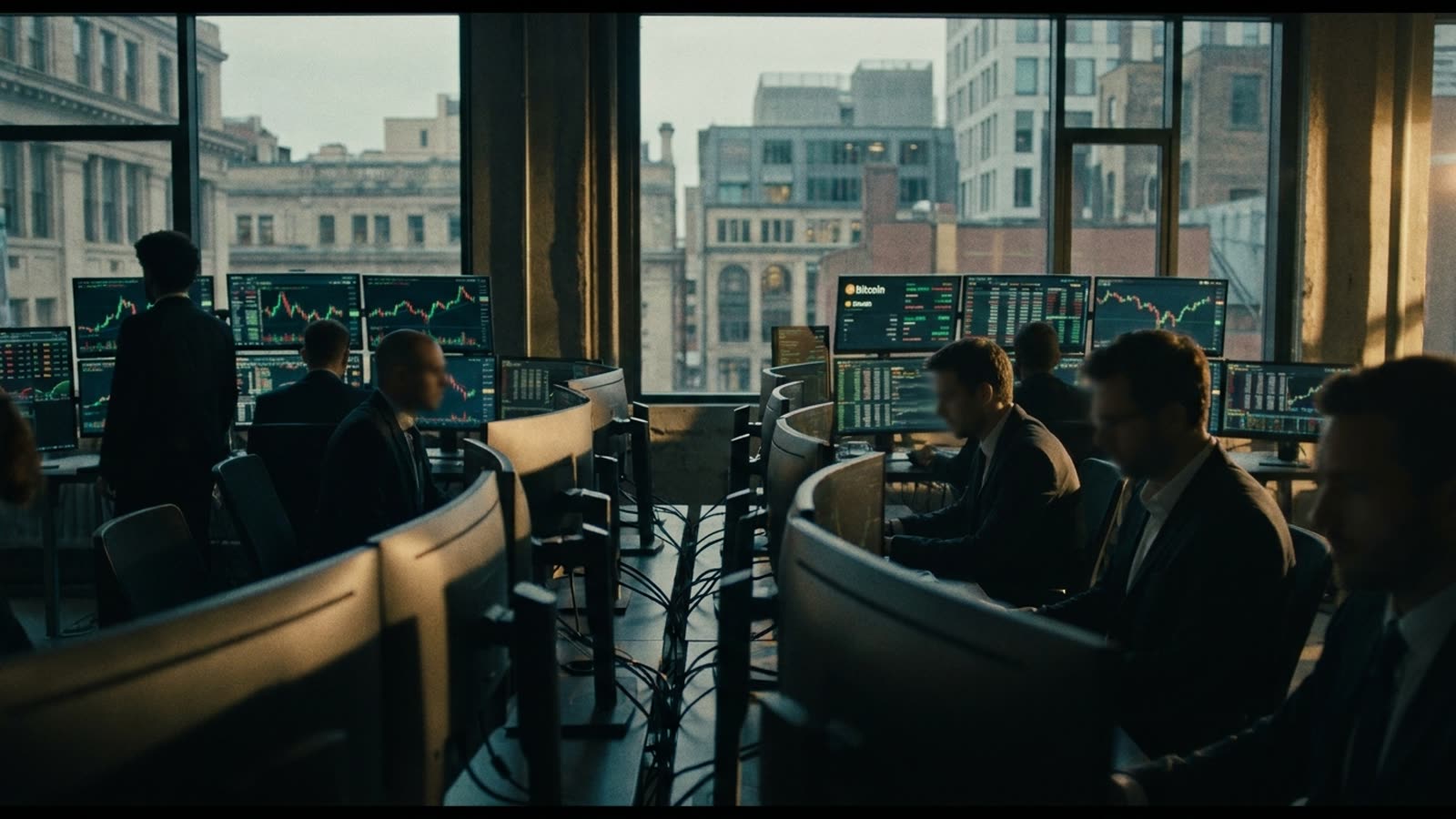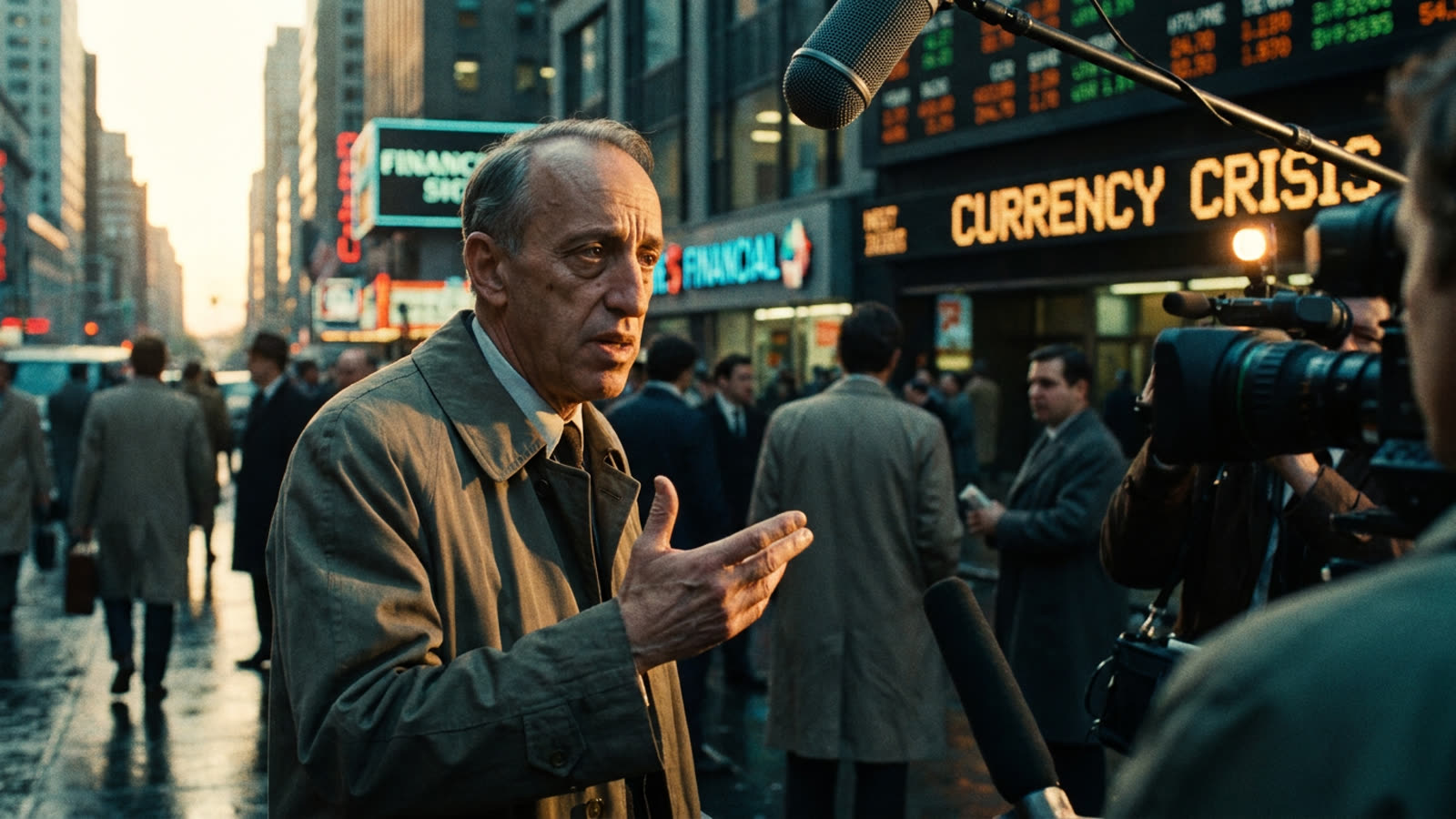
In 1972, Yale economist James Tobin proposed something deceptively simple: a tiny tax on foreign exchange transactions to "throw sand in the wheels" of currency speculation. The idea was elegant—a 0.1% levy would barely touch genuine trade but might discourage the hot money sloshing between currencies for quick profits. Tobin thought it could give central banks breathing room to set monetary policy without worrying about speculators attacking their currency.
The original sin of simplification
Tobin's proposal emerged from the wreckage of Bretton Woods, when fixed exchange rates gave way to the floating system we know today. He watched speculators hammer the British pound and Italian lira, forcing painful devaluations that had little to do with economic fundamentals. His tax wasn't meant to raise revenue or punish banks—it was pure macroeconomic engineering, designed to reduce volatility without heavy-handed capital controls.
But something curious happened. The left seized on the Tobin Tax as a way to "make Wall Street pay," while the right dismissed it as socialist meddling. Neither side grappled with Tobin's actual argument about monetary sovereignty and exchange rate stability. By the 1990s, anti-globalization protesters were demanding a "Tobin Tax" that Tobin himself barely recognized—they wanted to use it to fund development aid, not stabilize currencies.
Every crisis brings a zombie resurrection
The pattern became predictable. After the Asian financial crisis of 1997, politicians dusted off the Tobin Tax. After 2008, it returned as the "Robin Hood Tax," now aimed at all financial transactions, not just currencies. The European Union spent years debating a Financial Transaction Tax that would have made Tobin wince—a broad levy on stocks, bonds, and derivatives that had nothing to do with his original concern about currency speculation.
Each resurrection moved further from Tobin's insight. Sweden tried a transaction tax in the 1980s and watched trading flee to London. France implemented one in 2012 that raised modest revenue but did nothing to reduce volatility. The proposals kept getting more ambitious and less connected to any coherent theory of what the tax was supposed to achieve.
Our take
Tobin's ghost haunts modern financial debates because we still haven't solved the problem he identified: how to maintain democratic control over monetary policy in a world of instant, massive capital flows. Today's policymakers reach for his tax like a magic talisman, hoping it will somehow tame markets, raise revenue, and reduce inequality all at once. But Tobin knew better—he was proposing a specific tool for a specific problem. The fact that we keep misremembering his idea suggests we're still avoiding the harder questions about global finance he was brave enough to ask.