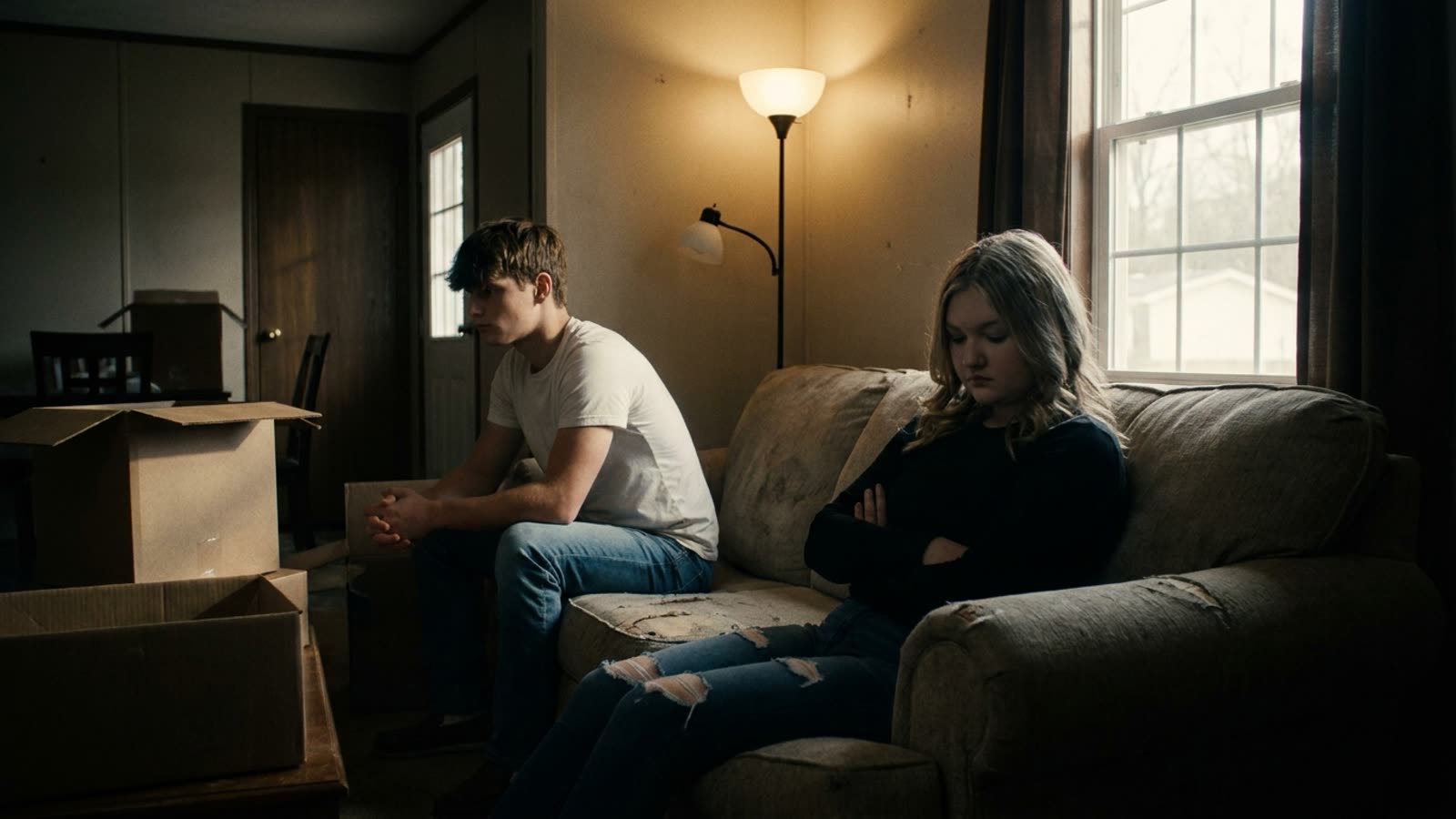
The teen-parent industrial complex has processed another relationship through its machinery and produced the expected result: Bella and Hunter, fan favorites from TLC's "Unexpected," have confirmed their separation, joining the long roster of young couples whose romances bloomed on camera and withered shortly thereafter.
The split, while personally significant to those involved, functions more usefully as a data point in the ongoing experiment of documenting adolescent parenthood for entertainment. "Unexpected," now in its sixth season, has maintained respectable ratings by following the familiar MTV playbook: take young people navigating genuinely difficult circumstances, add cameras, and watch as the pressure of public scrutiny accelerates whatever trajectory their relationships were already on.
The Reality-Romance Paradox
Television has never been kind to young love, but the teen-parent genre poses particular challenges. Couples who might have quietly grown apart instead must perform their dissolution for audiences who feel invested in the outcome. The financial incentives of continued filming create pressure to remain together—or at least together-adjacent—long past the point of organic viability. When the relationship finally collapses, it does so publicly, with comment sections serving as Greek chorus.
Bella and Hunter appeared to beat the odds longer than most, which in this context means they lasted more than two seasons. Their storyline offered the requisite mix of conflict and tenderness that keeps viewers engaged, but the fundamental arithmetic of teenage parenthood—limited resources, incomplete brain development, external pressure—tends to produce consistent results regardless of how sympathetic the participants.
The Network's Reliable Formula
TLC has refined its approach over multiple iterations of this format. The network benefits whether couples succeed or fail; harmony provides aspirational content while discord generates the conflict that drives engagement. The genius of the model is its self-replenishing nature: each season introduces new young parents whose stories will unfold according to broadly predictable patterns, ensuring fresh content while former cast members cycle through breakups, custody disputes, and occasional reconciliations in the tabloid ecosystem.
The streaming era has only intensified this dynamic. Where previous generations of reality participants might have faded from public view between seasons, social media now demands constant content. Bella and Hunter's split will generate weeks of Instagram stories, TikTok explanations, and podcast appearances—each interaction extending their relevance while simultaneously commodifying their pain.
Our take
There is something slightly ghoulish about the teen-parent reality genre, though no more so than most entertainment built on documenting people in difficult circumstances. The participants enter these arrangements voluntarily, receive compensation, and presumably understand the trade-offs involved. What makes "Unexpected" breakups notable is not their frequency but their inevitability—the format essentially documents relationships that statistics suggest will fail, then expresses surprise when they do. Bella and Hunter deserve privacy to navigate their new arrangement; whether they will receive it depends entirely on how much they need the income that publicity provides.