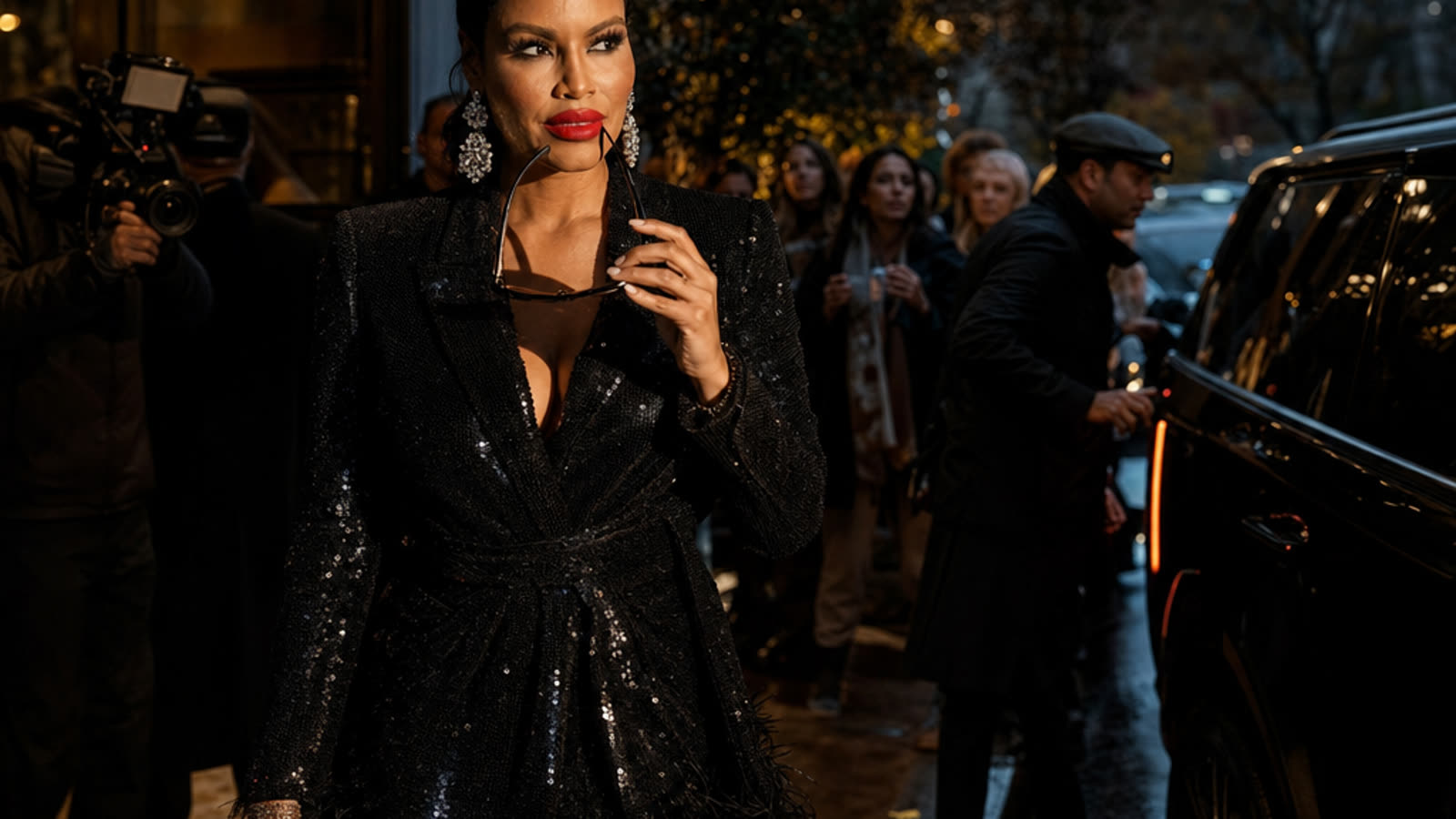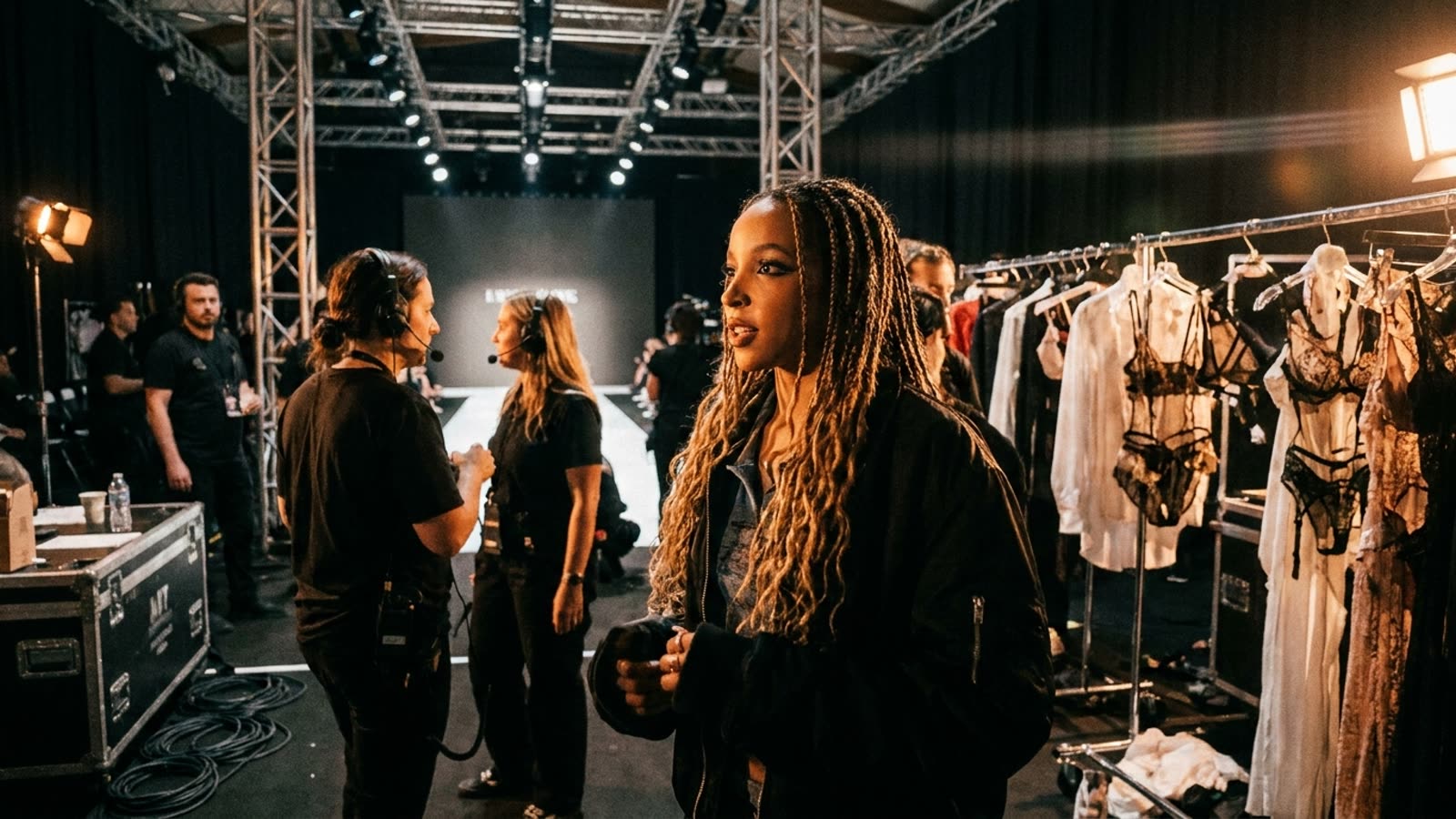
Victoria's Secret is attempting something close to corporate necromancy. After canceling its famous fashion show in 2019 amid cratering ratings and a cultural reckoning over its narrow beauty standards, the brand is staging a comeback—and it has tapped Tinashe, the R&B-pop artist whose career has quietly become one of music's most instructive second acts, to help sell the resurrection.
The pairing is shrewder than it appears. Tinashe spent years in major-label purgatory before her independent pivot yielded "Nasty," a viral hit that dominated 2024's summer and reminded the industry that algorithmic success and artistic credibility need not be mutually exclusive. Victoria's Secret, meanwhile, has spent half a decade trying to convince consumers it understands bodies beyond the six-foot, 110-pound archetype. Both are rehabilitation projects. Both need each other.
The runway's existential problem
The original Victoria's Secret Fashion Show was a creature of appointment television, an era when 10 million Americans would tune in to watch Adriana Lima walk in wings. That world is gone. The show's 2018 finale drew barely 3 million viewers, and the brand's subsequent attempts at reinvention—body-positive campaigns, trans model signings—have felt more defensive than visionary. Bringing back the runway format without the cultural context that made it an event risks feeling like a nostalgia act nobody requested.
Tinashe offers a partial solution. Her fanbase skews young, extremely online, and receptive to the kind of choreographed spectacle that plays well on TikTok and Instagram Reels. She is also, crucially, a dancer—someone who can transform a runway performance into something that generates clips, not just a static broadcast moment.
Why pop stars are the new supermodels
The economics of fashion shows have inverted. A decade ago, the models were the draw and the musical guests were set dressing. Now the calculus runs the other way. Rihanna's Savage X Fenty shows understood this first, treating the runway as a music-video set where the clothes were almost incidental to the performances. Victoria's Secret is late to this realization, but the Tinashe booking suggests someone in the C-suite finally gets it.
The broader trend is unmistakable: fashion houses from Coperni to Jacquemus now stage shows designed primarily for social fragmentation, moments engineered to be clipped and shared rather than watched in full. A Tinashe performance—athletic, visually dense, meme-able—fits this template far better than a parade of silent models ever could.
Our take
Victoria's Secret probably cannot recapture its cultural monopoly on aspirational lingerie, and it would be foolish to try. But the Tinashe play reveals a more modest, more achievable ambition: relevance through adjacency. If the brand can borrow some of her credibility with younger consumers—consumers who remember the original show, if at all, as a punchline about outdated beauty standards—it might buy itself another few years of cultural oxygen. Whether that is enough to reverse a decade of market-share erosion is another question entirely. But as corporate Hail Marys go, this one at least has a beat you can dance to.