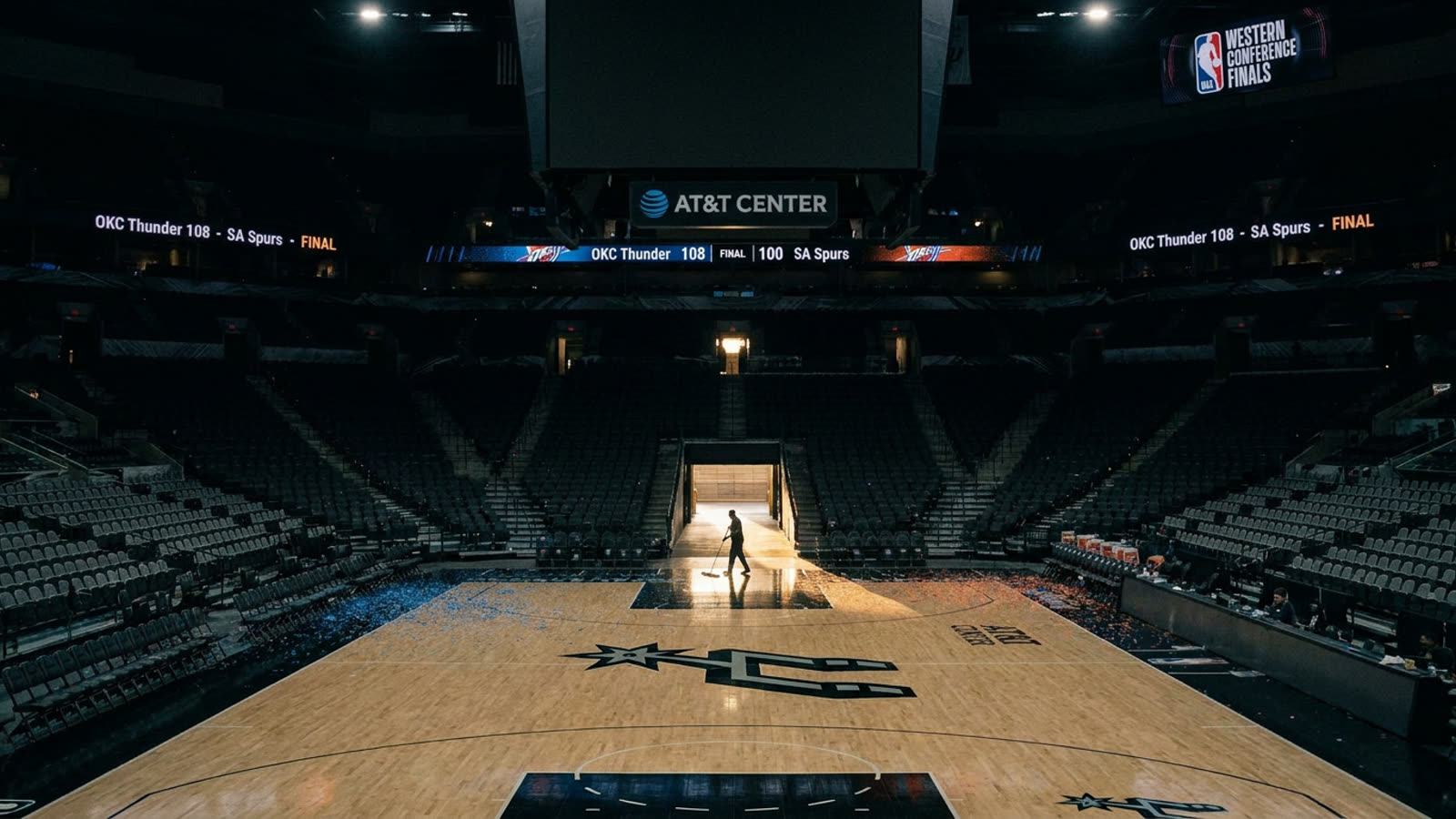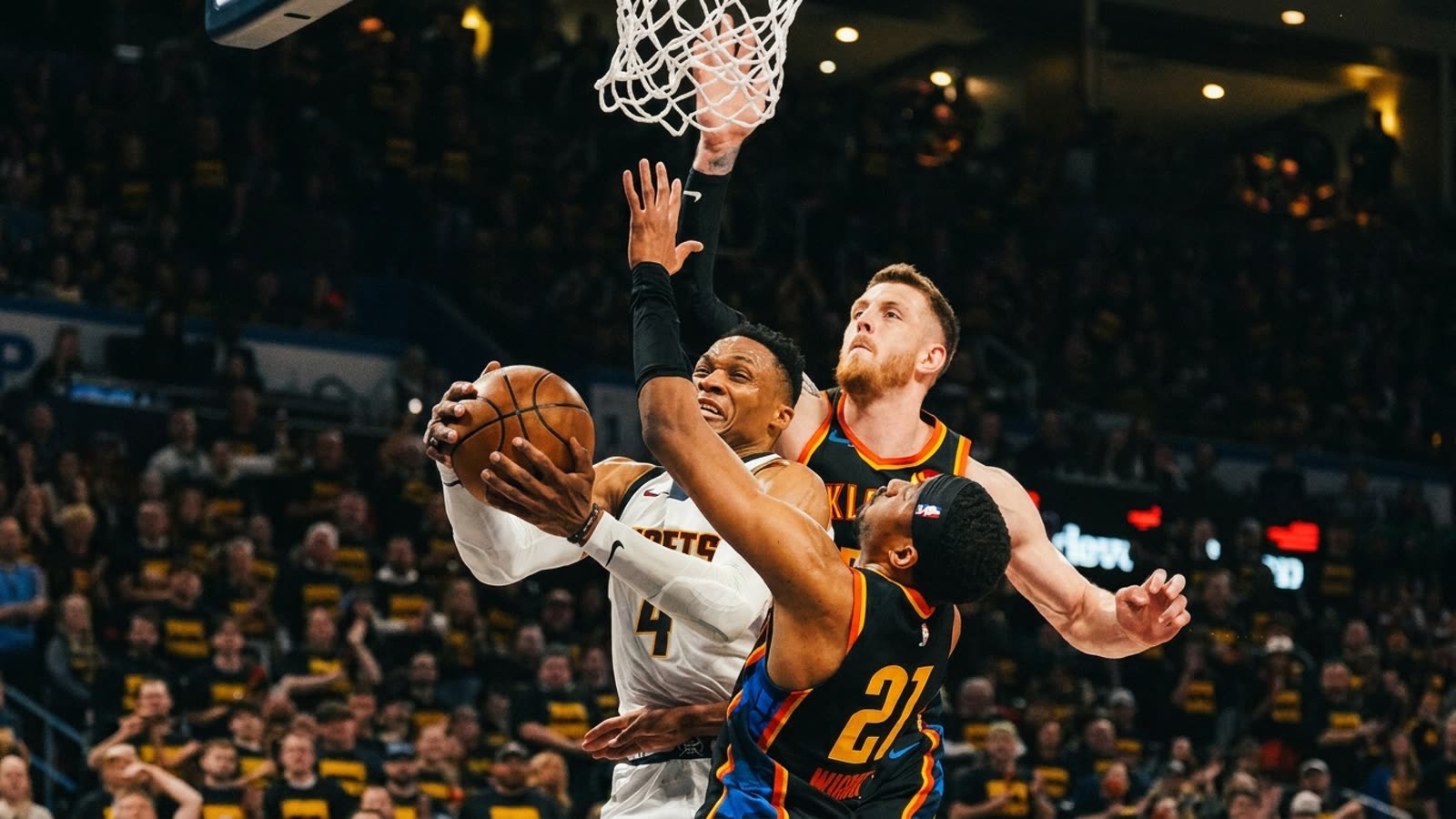
The Oklahoma City Thunder's 118-103 victory over San Antonio in Game 3 wasn't decided by Shai Gilgeous-Alexander's scoring or Chet Holmgren's rim protection. It was decided by players whose names casual fans would struggle to place: Isaiah Joe, Aaron Wiggins, Ousmane Dieng, and the rest of a bench unit that turned a competitive game into a rout.
The 42-17 bench scoring disparity tells only part of the story. When the Thunder's starters rested, the game didn't merely hold steady—it tilted decisively in Oklahoma City's favor. The Spurs, reliant on Victor Wembanyama and a thin supporting cast, watched their leads evaporate the moment their franchise cornerstone sat.
The arithmetic of attrition
Playoff basketball is a war of attrition, and the Thunder have weaponized depth in ways that recall the great Spurs dynasty teams of the 2000s and 2010s. General manager Sam Presti has spent years accumulating draft picks and developing role players who understand their assignments. The result is a roster where the drop-off from starter to reserve is nearly imperceptible.
Isaiah Joe's shooting keeps defenses honest even when Gilgeous-Alexander rests. Aaron Wiggins provides switchable defense and opportunistic scoring. The bench doesn't just maintain—it attacks. Against a young Spurs team still learning to manage playoff minutes, the contrast was stark.
Why stars alone aren't enough
The modern NBA has become obsessed with star acquisition, and for good reason: transcendent players win championships. But the Thunder are demonstrating that star power without supporting infrastructure is a recipe for playoff disappointment. Wembanyama is otherworldly, averaging monster numbers through three games, yet his team is down 2-1 because he cannot play 48 minutes.
Oklahoma City's model inverts the superteam logic. Rather than consolidating assets into two or three max contracts, Presti has distributed talent across the roster. The Thunder's payroll flexibility allows them to retain homegrown contributors who, on other teams, might price themselves out or demand larger roles.
The sustainability question
Skeptics will note that bench depth matters less as playoff series deepen and rotations shorten. By the Conference Finals and Finals, coaches typically ride seven or eight players. But getting there requires surviving earlier rounds without exhausting your stars—and the Thunder's ability to rest Gilgeous-Alexander and Holmgren while extending leads creates a compounding advantage.
Our take
The Thunder aren't just winning games; they're presenting a thesis about roster construction that the rest of the league should study. In a sport that fetishizes the supermax contract and the blockbuster trade, Oklahoma City is proving that the unsexy work of player development and depth accumulation still matters. San Antonio will eventually build this kind of infrastructure around Wembanyama. For now, they're learning the hard way what happens when you bring a star to a roster fight.