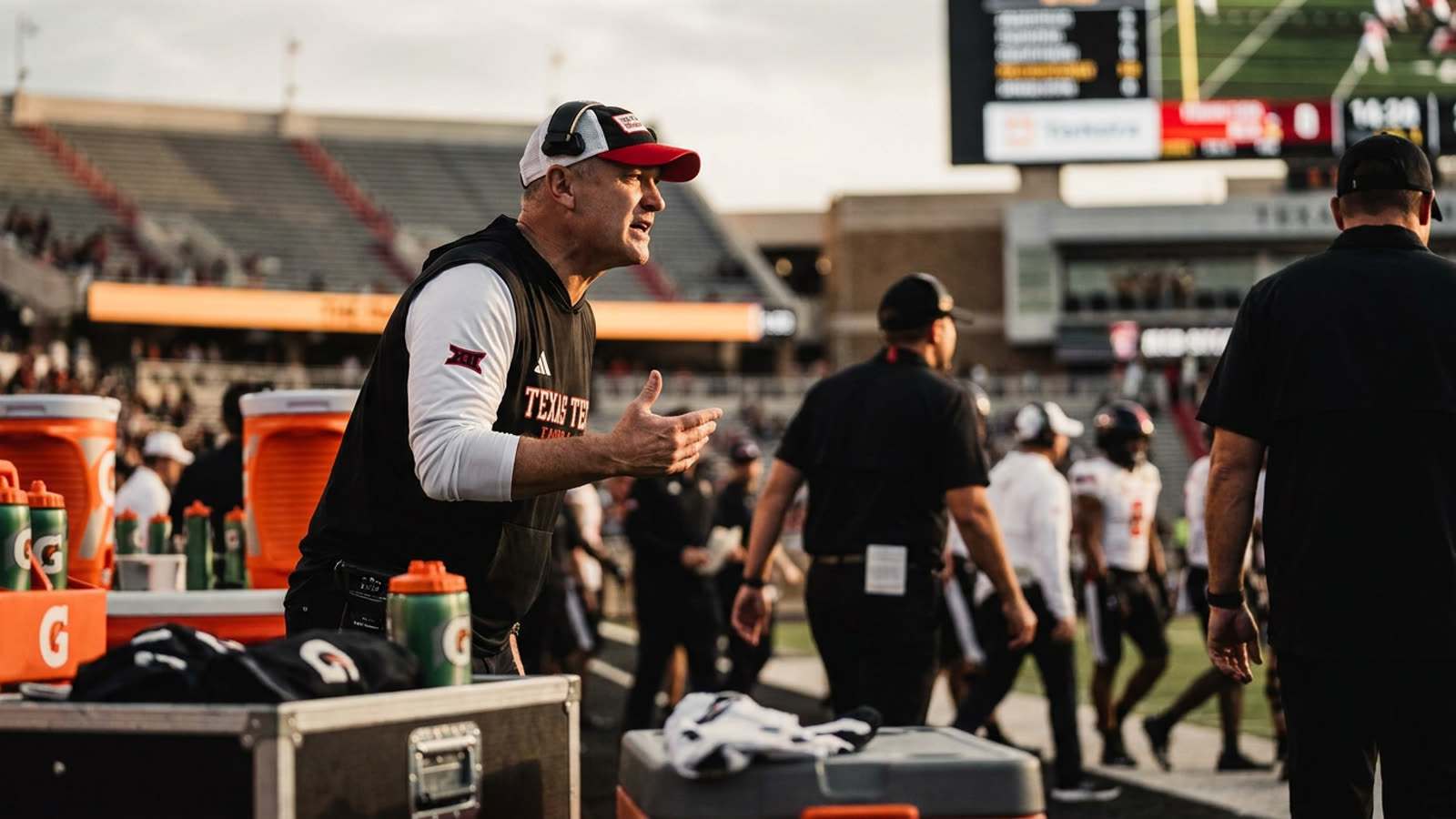
Joey McGuire is done being polite about it. The Texas Tech head coach declared this week that his program is "willing" to play Texas in Week 1 — a statement that sounds like scheduling flexibility but reads like a dare. The Longhorns, now comfortably ensconced in the SEC, have let the once-annual rivalry lapse into memory, and McGuire is making sure everyone notices.
The subtext is unmistakable: Texas left, Texas forgot, and Texas Tech is still here, still competitive, and still waiting for a phone call that isn't coming.
The geography of abandonment
When Texas and Oklahoma bolted for the SEC in 2024, they left behind a Big 12 conference that was supposed to collapse. It didn't. The league absorbed four Pac-12 refugees, added a few ambitious programs, and emerged as a credible Power Four entity. But what the conference couldn't replace was the in-state recruiting battles, the regional hatred, and the annual games that made Texas high school football players feel like the center of the universe.
Texas Tech sits in Lubbock, roughly 350 miles from Austin. For decades, that distance was bridged every autumn by a game that mattered to West Texas in ways that neutral-site SEC matchups against Oklahoma never will. McGuire, who built his reputation as a Texas high school coaching legend before taking the Tech job, understands this viscerally. His roster is filled with players who grew up watching the rivalry. Now they'll graduate without playing in it.
The scheduling standoff
Texas has shown little appetite for non-conference games against former Big 12 opponents. The Longhorns' future schedules are stacked with SEC obligations and the occasional marquee neutral-site affair designed to maximize television revenue and recruiting exposure. A trip to Lubbock — or even hosting Texas Tech in Austin — offers neither. The Red Raiders don't move the needle for ESPN. They don't help Texas recruit in Los Angeles or Miami.
What they do offer is authenticity, the kind of regional animosity that cannot be manufactured by conference commissioners or broadcast partners. McGuire's public willingness to play anywhere, anytime, is designed to make Texas's silence look like cowardice. Whether it works depends on whether anyone in Austin still cares about looking brave to Lubbock.
Our take
McGuire is playing a weak hand brilliantly. He knows Texas won't call, but he also knows that every year the Longhorns avoid the game, the narrative shifts slightly in Tech's favor. The Red Raiders become the spurned party, the program that wanted the fight while Texas hid behind conference scheduling. It's not much, but in the zero-sum world of Texas high school recruiting, perception is currency. McGuire is spending wisely.