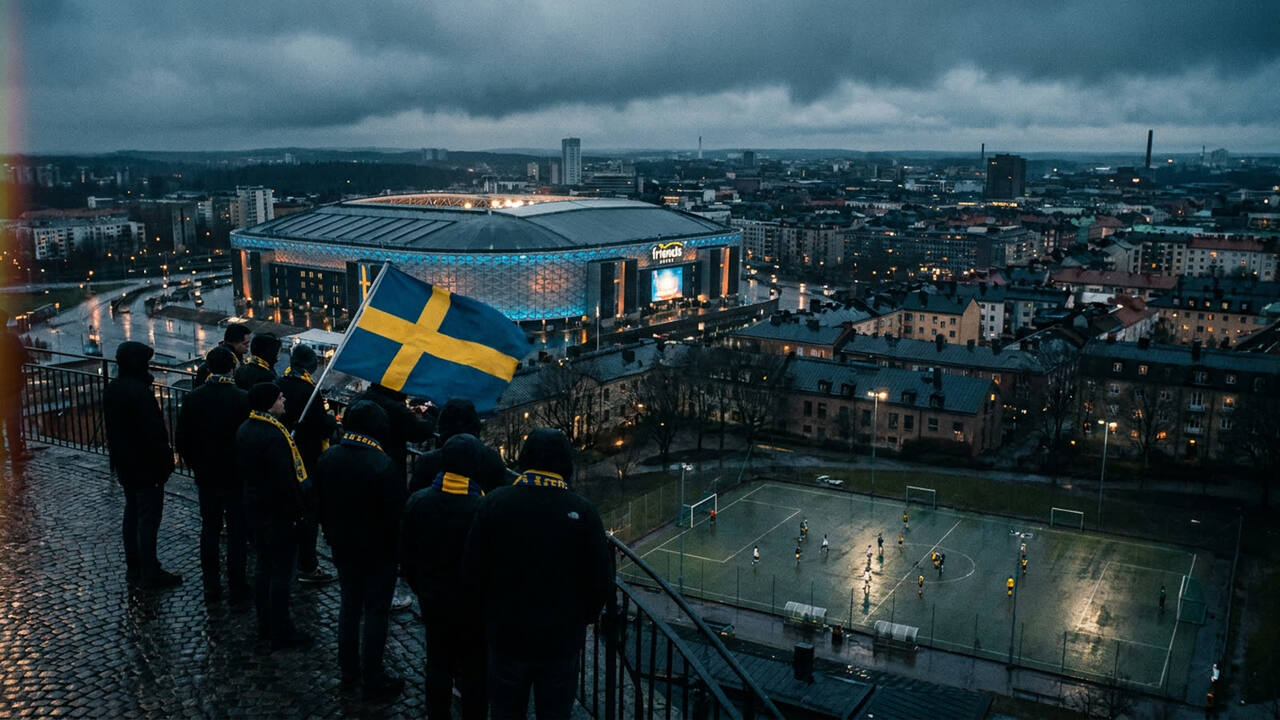
Sweden are doing what Sweden do best: arriving at a major tournament with minimal fanfare and maximum organization, then making everyone who dismissed them feel slightly foolish. Their early lead against Tunisia in Sunday's Group E fixture is the latest evidence that the Blågult have no intention of playing the role of polite participants in this World Cup.
The goal itself was characteristic—a well-worked set piece finished with the kind of clinical efficiency that suggests hours of repetition on the training ground rather than a flash of individual brilliance. Tunisia, for their part, looked precisely as nervous as a nation making its sixth World Cup appearance but still searching for its first knockout-round berth ought to look.
The Scandinavian template
Swedish football has never been about stars, even when they had Zlatan Ibrahimović. It has always been about the collective, about defensive solidity married to opportunistic attacking. This squad, built around a core of players competing in the Bundesliga and Serie A, fits the mold perfectly. They press intelligently, concede space grudgingly, and punish mistakes with the detached efficiency of an accountant finding errors in a spreadsheet.
What makes this iteration interesting is its youth. Several players are appearing in their first major tournament, yet they carry themselves with the composure of veterans. The Swedish federation has invested heavily in its academy system over the past decade, and the dividends are now visible on the pitch.
Tunisia's familiar frustration
For the Carthage Eagles, this match represents another chapter in a recurring story. Tunisian football possesses genuine technical quality—watch their midfielders in possession, and you see players comfortable on the ball, capable of intricate combinations. Yet the final product consistently falls short. Whether the issue is psychological, tactical, or simply a matter of depth, Tunisia have never converted their African Cup pedigree into World Cup success.
Trailing early compounds the pressure. To advance from a group that also includes more fancied opponents, Tunisia needed at least a point here. The mathematics now become unforgiving.
Our take
Sweden will not win this World Cup. But they could absolutely ruin someone's tournament—a quarterfinalist expecting an easy path, perhaps, or a group favorite caught napping. There is something admirable about a footballing culture that knows exactly what it is and refuses to pretend otherwise. The Swedes will run, they will defend, they will take their chances when they come. In a tournament full of nations chasing aesthetic glory, that pragmatism might carry them further than anyone currently predicts.