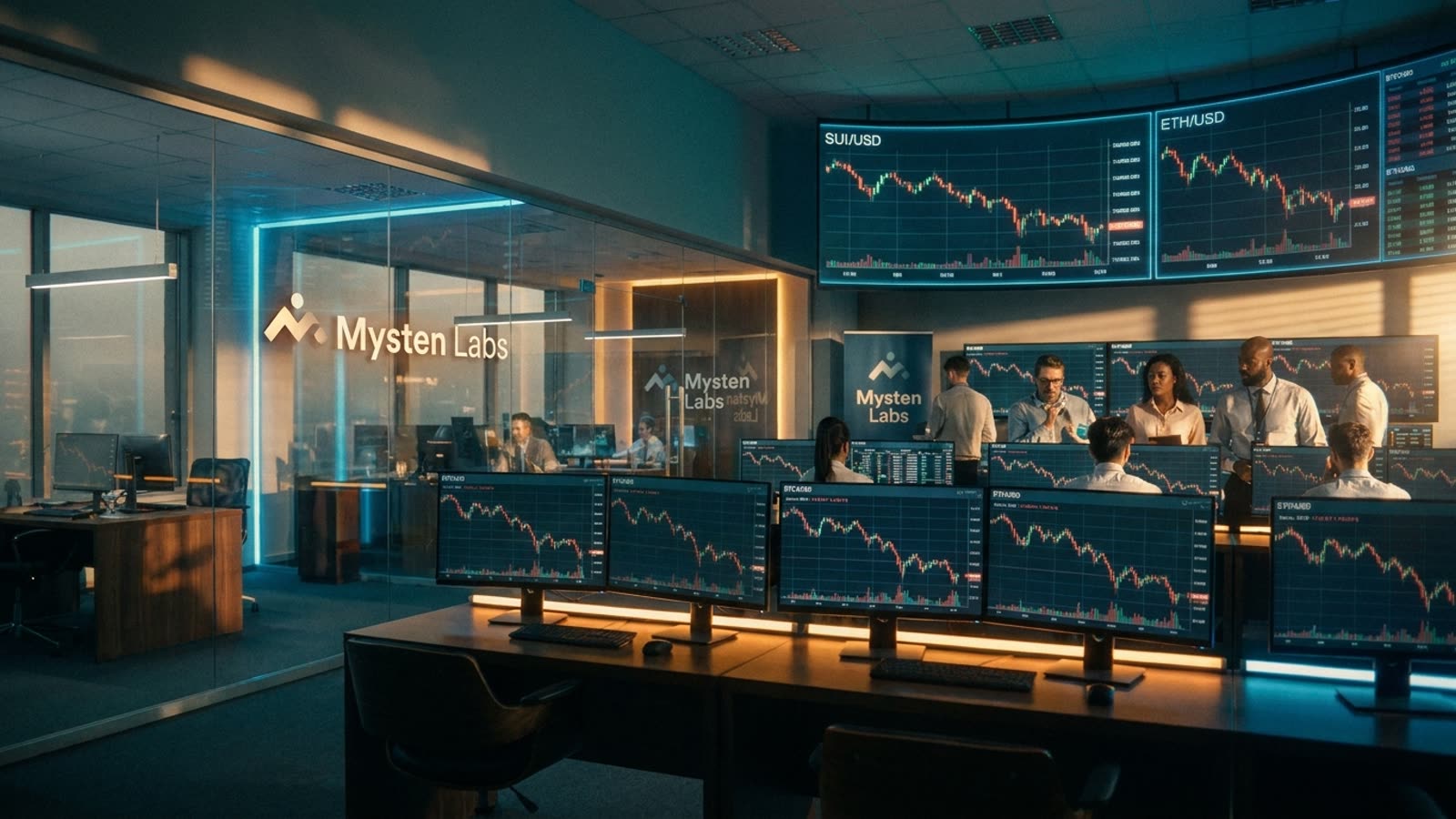
Sui, the Layer 1 blockchain built by former Meta engineers using the Move programming language, dropped another 3.5% in the past 24 hours to trade below a dollar—a far cry from the optimism that greeted its mainnet launch in 2023. The token now sits roughly 63% below where it traded a year ago, making it one of the worst performers among top-30 cryptocurrencies during a period when Bitcoin has pushed toward new highs and even meme coins have staged improbable rallies.
The decline is not a single-day panic; it is a slow, grinding repricing of expectations. Sui was supposed to be the next Solana—fast, cheap, developer-friendly, and backed by serious venture capital. Mysten Labs, the company behind the protocol, raised hundreds of millions of dollars from the likes of a]6z and FTX Ventures (the latter's collapse did not help the narrative). The pitch was compelling: Move, originally developed for Meta's abandoned Diem project, offered superior safety guarantees and parallel transaction execution. On paper, Sui could process transactions faster than Ethereum, Solana, or any legacy chain.
The adoption gap
Technical elegance has not translated into network effects. Sui's total value locked in DeFi applications remains a fraction of Solana's, let alone Ethereum's. Gaming and NFT projects that once anchored the ecosystem have either migrated or gone quiet. Daily active addresses have plateaued, and the chain's most visible use case—a handful of collectible games—has failed to generate the viral loops that propelled Solana's meme-coin casino or Ethereum's NFT boom.
Part of the problem is timing. Sui launched into a bear market, then watched the 2024-2025 recovery flow disproportionately toward Bitcoin ETFs, established Layer 1s, and speculative plays on AI tokens. Institutional capital, which once funded every plausible Ethereum killer, has grown more selective. Venture investors who backed Sui at high valuations are now sitting on underwater positions, limiting their appetite to fund ecosystem development.
Tokenomics under scrutiny
Sui's unlock schedule has also weighed on price. Large tranches of tokens have vested to early investors and the team over the past year, creating persistent sell pressure. Unlike Bitcoin's fixed supply or Ethereum's deflationary burn mechanism, Sui's inflationary design means the circulating supply keeps expanding even as demand stagnates. Critics argue that the protocol prioritized raising capital over designing sustainable tokenomics—a charge that could be leveled at half the 2021-2022 vintage of Layer 1s.
Mysten Labs has pushed back, pointing to developer activity, upcoming protocol upgrades, and partnerships with gaming studios. The company recently announced integrations with traditional payment rails and hinted at enterprise pilots. But the market has heard these promises before, from Cardano, from Algorand, from a dozen other chains that never achieved escape velocity.
Our take
Sui is not dead, but it is no longer special. The Move-language thesis—that a safer, faster virtual machine would attract the next generation of decentralized applications—has not been disproven, merely deferred. The blockchain industry has a short attention span, and Sui's window to capture it is closing. Unless Mysten Labs can deliver a breakout application or a genuine institutional use case in the next twelve months, the token risks becoming another cautionary tale about the gap between technical merit and market reality. For now, the chart speaks louder than the whitepaper.