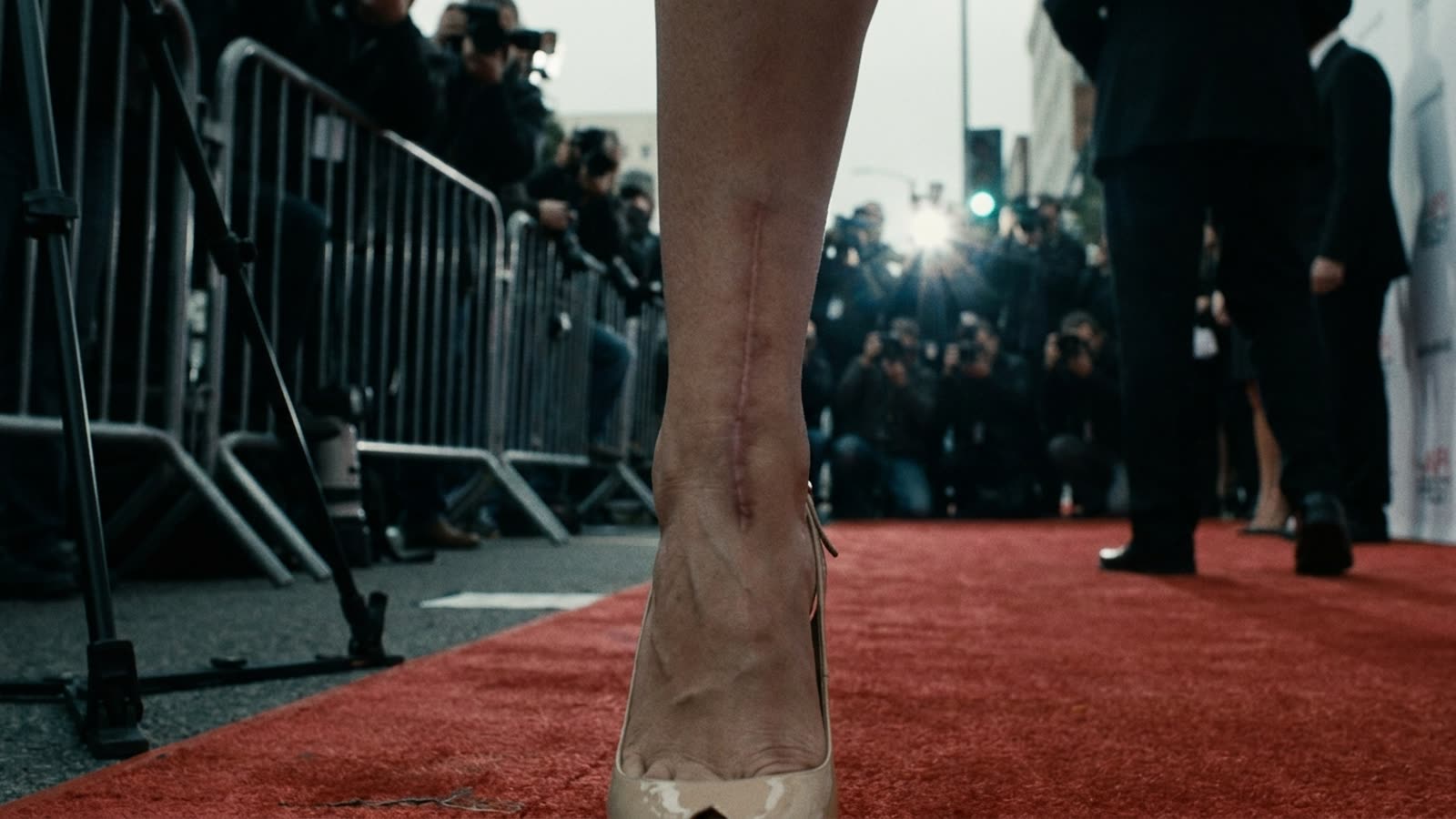
The celebrity wound has evolved from tabloid curiosity to full-blown content category. What once warranted a brief mention in gossip columns now generates multi-day news cycles, fan investigations, and the inevitable "Stars and Scars" roundups that invite audiences to play forensic pathologist with famous flesh.
This isn't squeamishness—it's fascination dressed as concern. When a celebrity appears with a visible injury, the machine whirs to life: paparazzi zoom lenses, fan theories on Reddit, wellness checks disguised as clickbait. The wound becomes a Rorschach test onto which we project narratives about fragility, authenticity, and the physical cost of fame.
The democratization of damage
Social media has collapsed the distance between celebrity bodies and public consumption. Where studio-era Hollywood maintained careful control over star images—airbrushing, strategic lighting, contractual clauses about dangerous activities—today's celebrities exist in a state of perpetual visibility. A split lip at Erewhon becomes content. A boot cast at a premiere becomes a talking point. The injury humanizes in ways that carefully managed wellness content cannot.
The paradox is that this vulnerability often reads as more authentic than the curated perfection that dominates Instagram. A celebrity with a black eye is, momentarily, just a person who walked into something. The parasocial relationship deepens when we see evidence that famous people also stub their toes, burn themselves cooking, or take a tumble that leaves a mark.
Speculation as sport
The "guess the injury" format that proliferates across entertainment media transforms celebrity bodies into puzzles. Readers are invited to scrutinize, hypothesize, judge. Was it cosmetic surgery? A domestic incident? An accident on set? The speculation itself becomes the entertainment, regardless of the mundane truth that usually follows.
This creates a peculiar economy where celebrities must decide whether to address visible injuries preemptively—getting ahead of rumors—or allow the mystery to generate its own publicity. Some have learned to weaponize the ambiguity, dropping cryptic hints that keep the story alive without ever confirming anything. The wound becomes narrative currency.
Our take
There's something uncomfortably honest about our appetite for celebrity injuries. We claim to want stars who are "real" and "relatable," then prove it by obsessing over their most vulnerable physical moments. The scar economy reveals what wellness culture tries to obscure: we're drawn to evidence of mortality in those we've elevated to something approaching immortality. The famous body, briefly damaged, reminds us it's still a body. That's not voyeurism—or not only voyeurism. It's a strange kind of comfort.