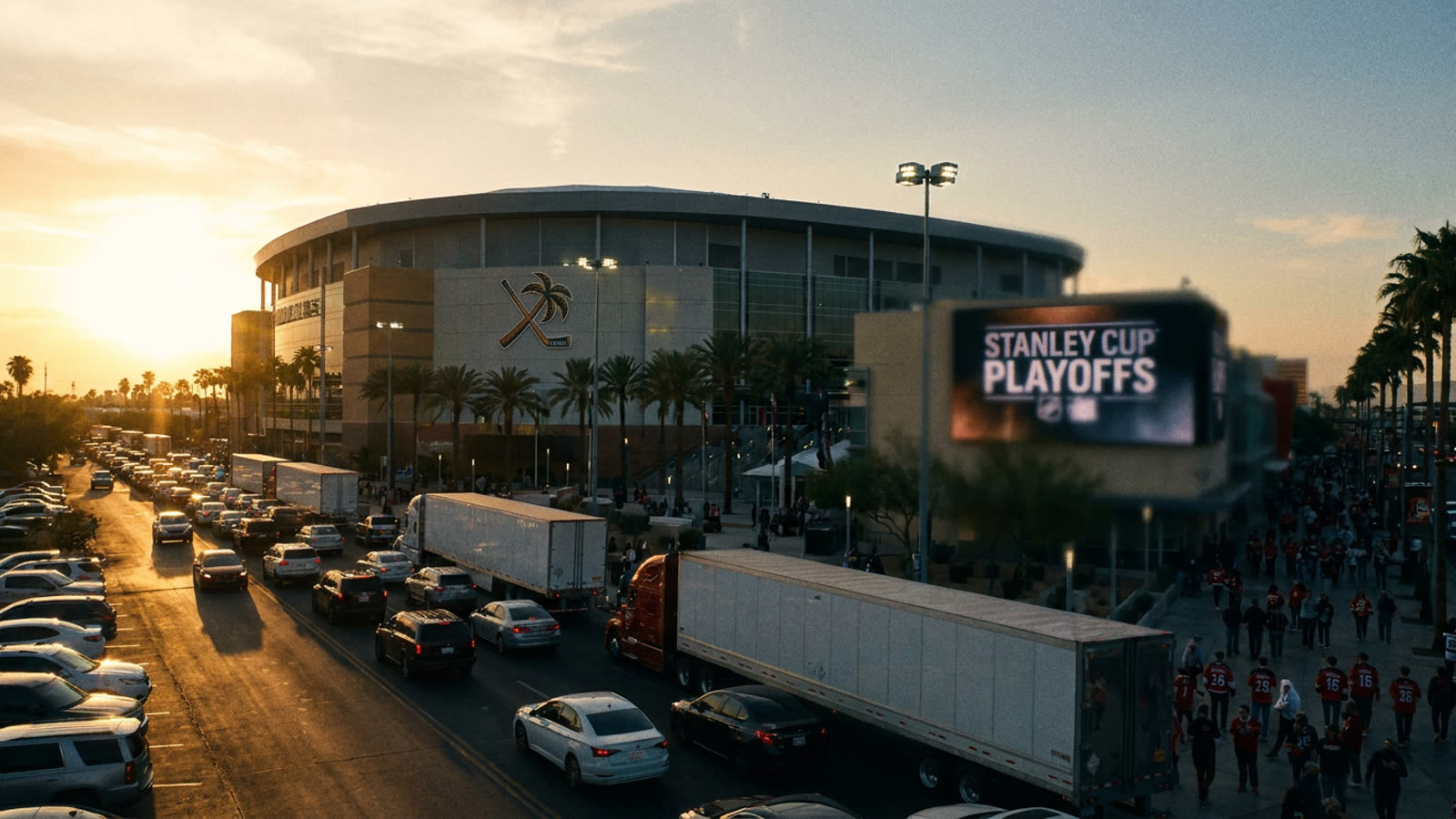
The NHL's long-derided strategy of planting franchises in cities where ice forms only in cocktail glasses has become the most successful expansion play in North American professional sports.
As the 2026 Stanley Cup Playoffs reach their climax, the league is on pace to generate over $6 billion in total revenue this season, with playoff gate receipts, merchandise, and broadcast fees all setting records. The Florida Panthers, Vegas Golden Knights, and Seattle Kraken—franchises that traditionalists once dismissed as hockey's equivalent of a strip mall in the Sahara—are now among the league's most valuable properties and most reliable postseason draws.
The sunbelt thesis, vindicated
When the NHL awarded expansion franchises to Las Vegas in 2017 and Seattle in 2021, the conventional wisdom held that hockey's future remained frozen in the Canadian prairies and American rust belt. Vegas was supposed to be a novelty act; Seattle, a Pacific Northwest curiosity.
The numbers tell a different story. The Golden Knights have sold out every home game since their inaugural season. The Kraken's Climate Pledge Arena has become one of the league's premier venues. And the Panthers, after decades of South Florida indifference, are now drawing crowds that rival Original Six franchises.
This isn't merely about attendance. The expansion markets have attracted corporate sponsors who previously viewed hockey as regionally irrelevant. Vegas brought in casino money. Florida attracted Latin American banking and real estate capital. Seattle delivered Amazon-adjacent tech wealth. The sponsorship revenue per team in these markets now exceeds the league average.
Broadcast economics and the streaming pivot
The playoff ratings surge reflects a broader shift in how Americans consume hockey. ESPN and Turner's combined broadcast deal, worth $625 million annually through 2028, was initially criticized as an overpay. It now looks prescient.
Streaming has been particularly transformative. ESPN+ hockey viewership has grown by double digits each of the past three years, with the fastest growth coming from the 18-34 demographic in—where else—sunbelt markets. Young fans in Phoenix, Austin, and Miami are discovering hockey not through local broadcasts but through algorithmic recommendations and social media highlights.
The league's decision to embrace streaming rather than fight it has created a virtuous cycle: more accessible games produce more casual fans, who become more engaged fans, who buy more merchandise and attend more games when their teams make the playoffs.
What the traditionalists missed
The original sin of hockey expansion skepticism was assuming that fandom required cultural inheritance. Canadians grew up with hockey; therefore, only places like Canada could sustain hockey franchises. This theory ignored that every fanbase begins somewhere, and that modern sports marketing can accelerate the process dramatically.
Vegas proved that a well-run expansion team could create generational loyalty in a single season. The Golden Knights' 2017-18 run to the Stanley Cup Final didn't just exceed expectations—it manufactured an entire fanbase from tourists, transplants, and locals who had never considered hockey before.
Our take
The NHL's sunbelt expansion was always less about hockey than about real estate arbitrage—finding markets with disposable income, corporate density, and arena-friendly politics that the other major leagues had overlooked. That the strategy also produced competitive teams and passionate fanbases is almost incidental. The league bet that Americans would watch hockey if you made it convenient and entertaining, regardless of whether they had ever experienced a frozen pond. They were right, and the playoff revenue proves it.