Few words in economics carry as much dread as stagflation — the unholy marriage of stagnant growth, rising unemployment, and persistent inflation that conventional theory said could not exist. It did exist, spectacularly, and the scars it left on central banking doctrine remain visible in every hawkish rate decision and every nervous glance at wage data.
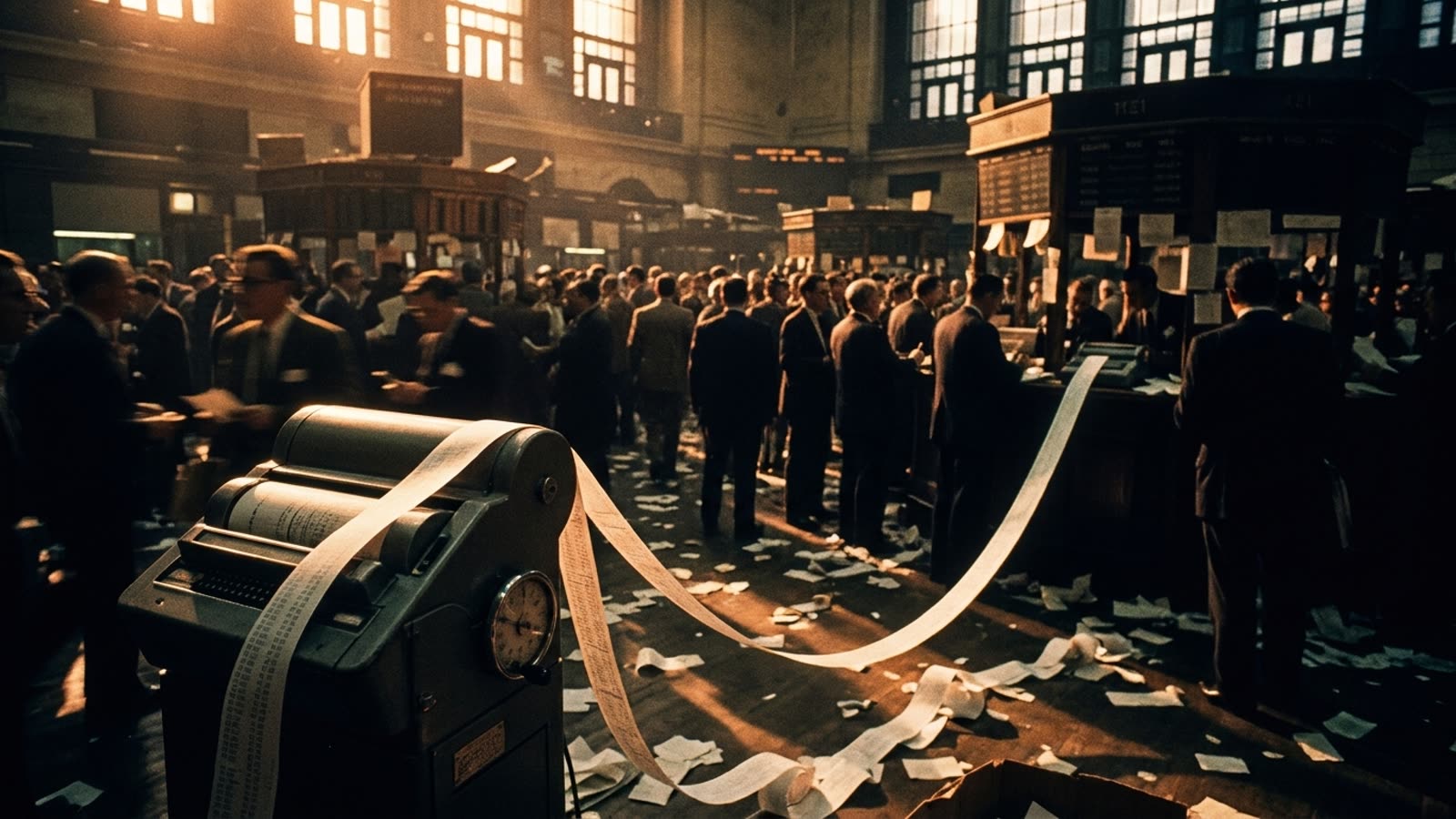
The term itself emerged from British politics in the 1960s, but the phenomenon found its fullest expression in the American economy of the 1970s. For nearly a decade, the United States experienced something that Keynesian orthodoxy had deemed impossible: prices climbing relentlessly while factories fell silent and unemployment lines stretched around city blocks. The Phillips Curve, which posited a stable trade-off between inflation and joblessness, shattered against the reality of oil shocks, wage-price spirals, and a Federal Reserve that had lost its institutional nerve.
The anatomy of a nightmare
Stagflation is not merely inflation plus recession — it is the failure of the standard policy toolkit. Normally, central banks fight inflation by raising rates, accepting some economic cooling as the price of price stability. In a recession, they cut rates to stimulate demand. Stagflation presents a cruel dilemma: tightening policy deepens the employment crisis, while loosening it accelerates the inflationary spiral. Policymakers find themselves holding a fire extinguisher in one hand and a can of gasoline in the other, unsure which to use.
The 1970s variant had identifiable villains — OPEC's oil embargo, the abandonment of the gold standard, accommodative monetary policy under Arthur Burns — but the underlying dynamic was more fundamental. Once inflation expectations become unmoored, they embed themselves in wage negotiations, supplier contracts, and consumer behavior. The economy begins to expect inflation, and expectation becomes self-fulfilling prophecy.
Why the fear persists
Paul Volcker's brutal interest rate medicine eventually broke the fever, but at the cost of the deepest recession since the Great Depression. That institutional memory now lives in the DNA of central banking. Every Federal Reserve chair since has understood, at some cellular level, that losing credibility on inflation is easier than regaining it, and that the cure for entrenched stagflation is worse than almost any preventive measure.
This explains the sometimes puzzling hawkishness of modern central banks even when inflation appears to be moderating. They are not fighting today's inflation so much as tomorrow's expectations. The moment workers and businesses begin building permanent inflation into their planning — demanding cost-of-living adjustments, indexing contracts, hoarding goods — the problem metastasizes from cyclical nuisance to structural crisis.
The modern variant
Today's economy differs from the 1970s in crucial ways: energy intensity has declined, global supply chains have (mostly) increased flexibility, and central banks have far more sophisticated tools and communications strategies. Yet the basic vulnerability remains. Supply shocks — whether from pandemics, geopolitical conflicts, or climate disruptions — can still push costs higher while simultaneously constraining output. Demographic shifts in advanced economies may limit the labor supply response that historically helped moderate wage pressures.
The stagflation scenario that keeps contemporary economists awake involves not a single oil shock but a cascade of supply-side disruptions meeting an economy already running hot from fiscal stimulus. In such a world, the old dilemma reasserts itself: crush demand and accept mass unemployment, or accommodate inflation and risk a return to the 1970s.
Our take
Stagflation is less a specific economic condition than a reminder of humility — a monument to the limits of macroeconomic management. The confidence that characterized mid-century economics, the belief that wise technocrats could fine-tune the business cycle into permanent prosperity, died in the unemployment offices and gas lines of the 1970s. What replaced it is a more cautious, more paranoid approach to monetary policy, one that treats inflation expectations as the most precious and fragile asset a central bank possesses. This paranoia has costs — sometimes rates stay higher longer than strictly necessary, sometimes growth is sacrificed at the altar of credibility — but the alternative, as history demonstrated, is worse.