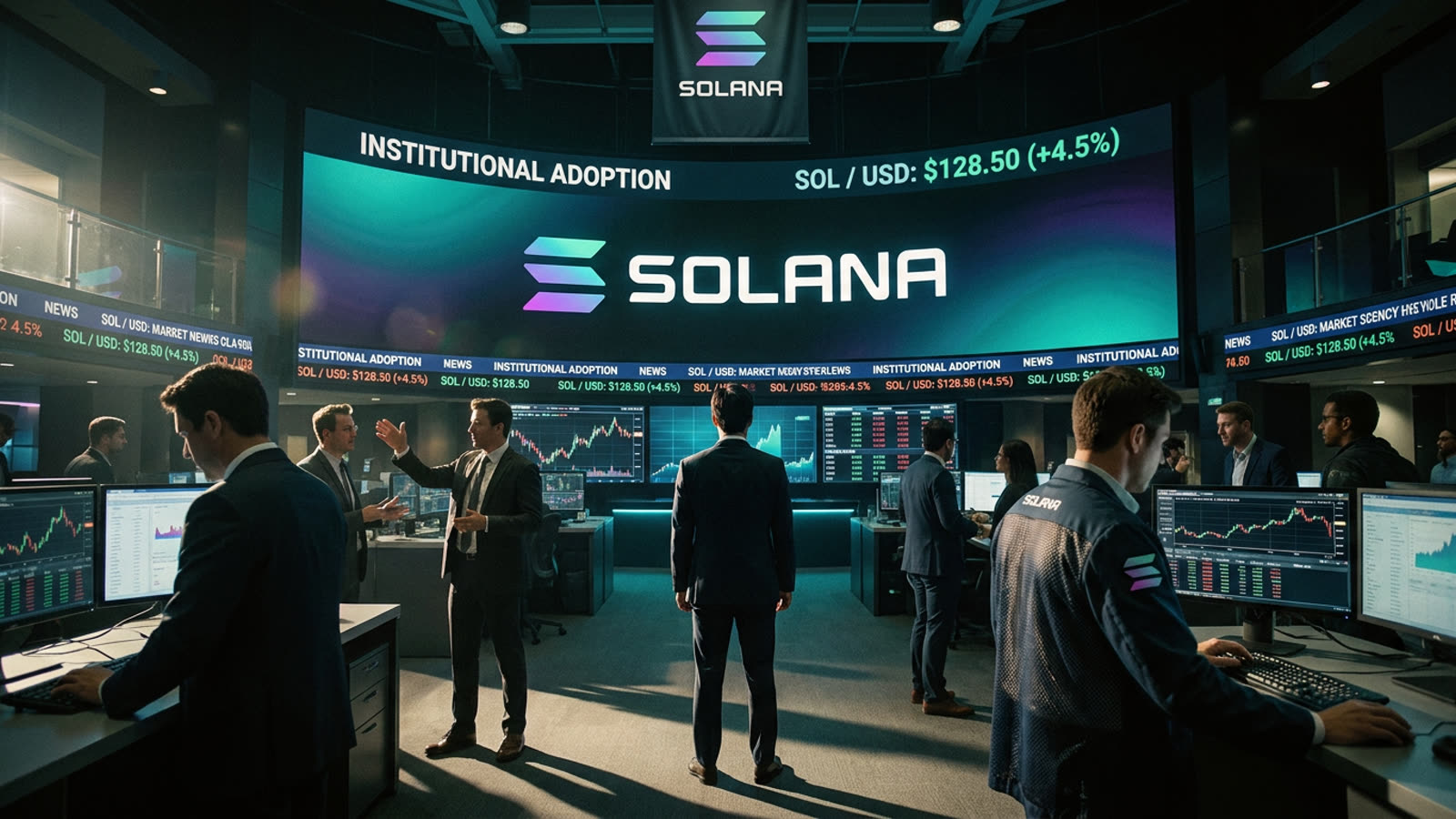
Solana is back in the spotlight, and for once the attention appears to stem from something other than meme-coin mania or network outages. The blockchain is currently trending on CoinGecko, a reliable proxy for retail and institutional curiosity alike, at a moment when the narrative around the network has quietly evolved from "Ethereum killer" to "enterprise-grade alternative."
The timing is not accidental. Mid-2026 finds Solana in an unusual position: its technical reputation has largely recovered from the stability crises of 2022-2023, its transaction costs remain a fraction of Ethereum's, and a growing roster of traditional finance players have begun experimenting with the chain for tokenization and payments infrastructure.
The institutional pivot
What distinguishes this trending moment from previous Solana surges is the composition of interest. In earlier cycles, spikes in attention typically correlated with speculative frenzies—Bonk, Dogwifhat, and their ilk. The current wave appears more measured. Several asset managers have filed for Solana-based exchange-traded products in recent months, following the success of spot Bitcoin and Ethereum ETFs. While no Solana ETF has yet received approval, the filings signal that institutional appetite extends beyond the top two cryptocurrencies.
Meanwhile, Visa and PayPal have both expanded stablecoin settlement pilots on Solana, attracted by the network's throughput and low fees. These are not headline-grabbing announcements, but they represent the kind of quiet infrastructure buildout that tends to precede broader adoption.
The technical maturation
Solana's validators have implemented a series of upgrades aimed at preventing the network congestion that plagued earlier versions. The Firedancer client, developed by Jump Crypto, has moved from testing to production deployment at scale, providing redundancy and performance improvements. Uptime statistics over the past year have been markedly better than the chain's troubled 2022 record, though critics note that true stress-testing will only come during the next market frenzy.
The network's architecture—proof-of-history combined with proof-of-stake—remains controversial among blockchain purists who question its decentralization. But for enterprises prioritizing speed and cost over ideological purity, the trade-offs have proven acceptable.
Our take
Solana's trending status in July 2026 tells a different story than its previous viral moments. The network has graduated from speculative playground to legitimate infrastructure candidate, even if it remains a distant third to Bitcoin and Ethereum in market capitalization and mindshare. Whether this institutional interest translates into sustained adoption or merely another cycle of hype-and-disappointment depends on factors beyond the blockchain itself—regulatory clarity, macroeconomic conditions, and the competitive landscape. But for the first time, Solana's surge in attention feels like it might be about fundamentals rather than dog coins.