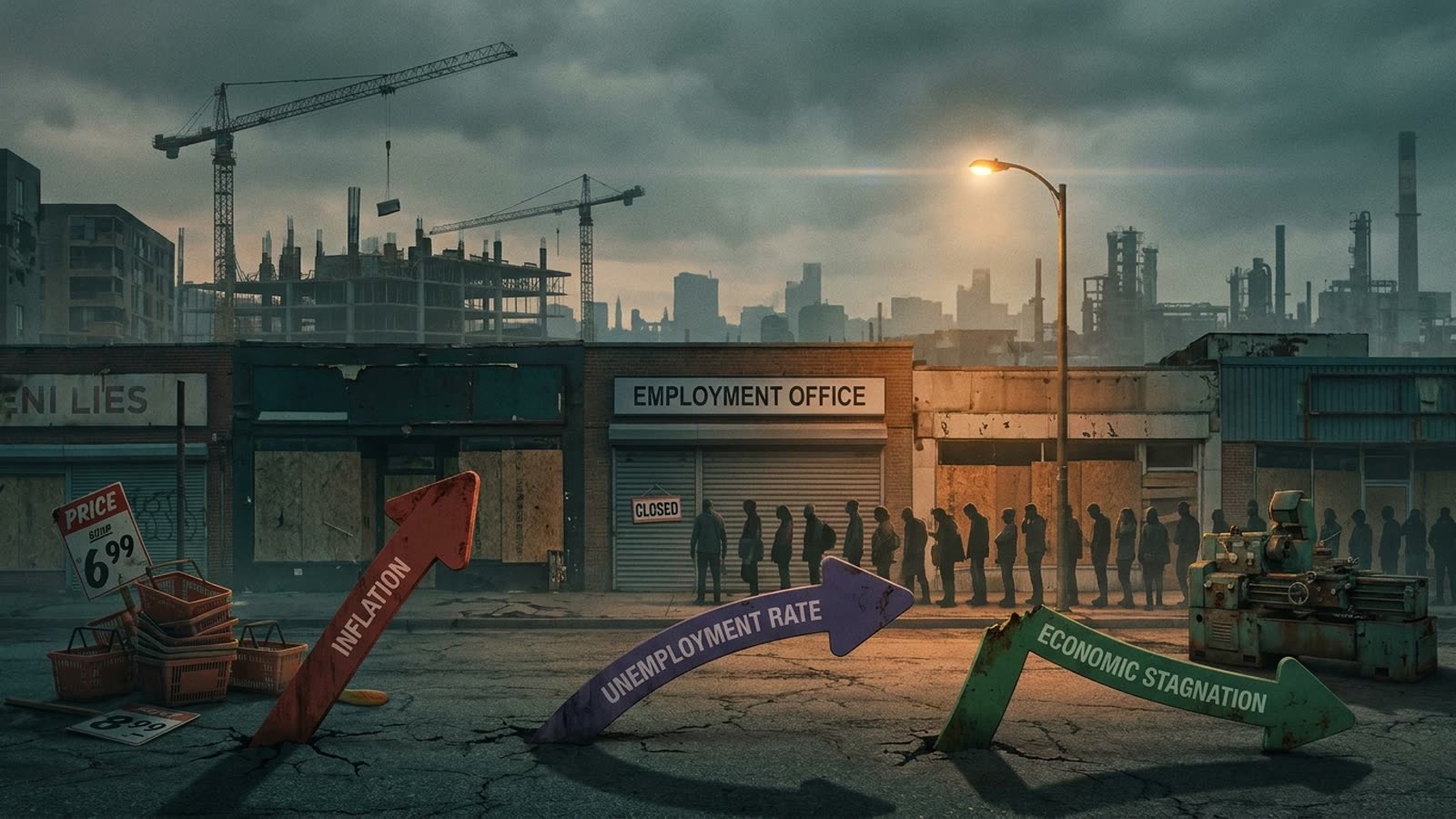
The term sounds so reassuring that you might forget how seldom it actually happens. A soft landing—the scenario in which a central bank raises interest rates enough to cool inflation but not so much that it tips the economy into recession—has become the stated goal of monetary policy so often that it now functions as a kind of institutional prayer. The trouble is that praying and achieving are different activities, and the historical record suggests central bankers are better at the former.
The phrase entered the economic lexicon in the 1970s, borrowed from aerospace engineering, where it described the challenge of bringing a spacecraft to the lunar surface without destroying it. The metaphor was apt: both endeavors require precise calibration, real-time adjustment, and a fair amount of luck. Unlike moon landings, however, soft economic landings lack a clear success metric. Did inflation come down? Did unemployment stay low? Did growth merely slow or actually contract? Economists argue about whether a given episode qualifies for years afterward.
The 1994 exception that proved the rule
The Federal Reserve's 1994-1995 tightening cycle is routinely cited as the gold standard of soft landings. Under Alan Greenspan, the Fed doubled the federal funds rate over twelve months, and the economy kept growing. Unemployment barely budged. Inflation settled. It was, by most accounts, a genuine success—and it remains one of the only unambiguous examples in modern American monetary history. The rarity is the point: if soft landings were routine, nobody would celebrate this one three decades later.
What made 1994 work? Several factors aligned. The economy was not overheating dramatically; inflation was creeping up but not entrenched. The Fed moved preemptively, hiking before price pressures became severe. And global conditions cooperated—no oil shocks, no financial crises, no pandemic. Replicating those conditions is less a matter of skill than of fortune.
Why hard landings keep happening
The fundamental problem is that monetary policy operates with long and variable lags, as Milton Friedman famously observed. When a central bank raises rates, the effects take months to filter through mortgages, business loans, and consumer spending. By the time policymakers see whether they've done enough, they may have already done too much. The temptation to keep tightening until inflation visibly breaks is strong, and by then the recessionary momentum is often irreversible.
There is also a political economy dimension. Central bankers face asymmetric criticism: if inflation stays high, they are blamed for being too timid; if a recession arrives, they are blamed for being too aggressive. The incentive structure encourages them to err on the side of overtightening, particularly after a period of elevated prices has damaged their credibility. The soft landing requires stopping precisely at the right moment, but institutional pressures push toward overshooting.
Our take
The soft landing has become monetary policy's participation trophy—something everyone expects to receive regardless of performance. This is dangerous because it breeds complacency among policymakers and investors alike. The honest framing would acknowledge that taming inflation usually costs something: jobs, growth, asset prices, or all three. Pretending otherwise sets the stage for disappointment and, worse, for policy errors born of wishful thinking. Central banks should aim for soft landings, but markets and households should plan for the alternative.