The fact that Michael Smerconish is calmly explaining military options against Iran on Saturday morning cable news—complete with graphics and expert panels—tells you everything about where Washington's head is at right now.
The CNN host's segment this week walked viewers through what he called the "clear message" President Trump could send to Tehran, a menu of escalatory responses ranging from expanded airstrikes to more provocative demonstrations of force. It was delivered in Smerconish's trademark reasonable-centrist tone, as if discussing infrastructure funding rather than actions that could ignite a regional conflagration.
The normalization of the unthinkable
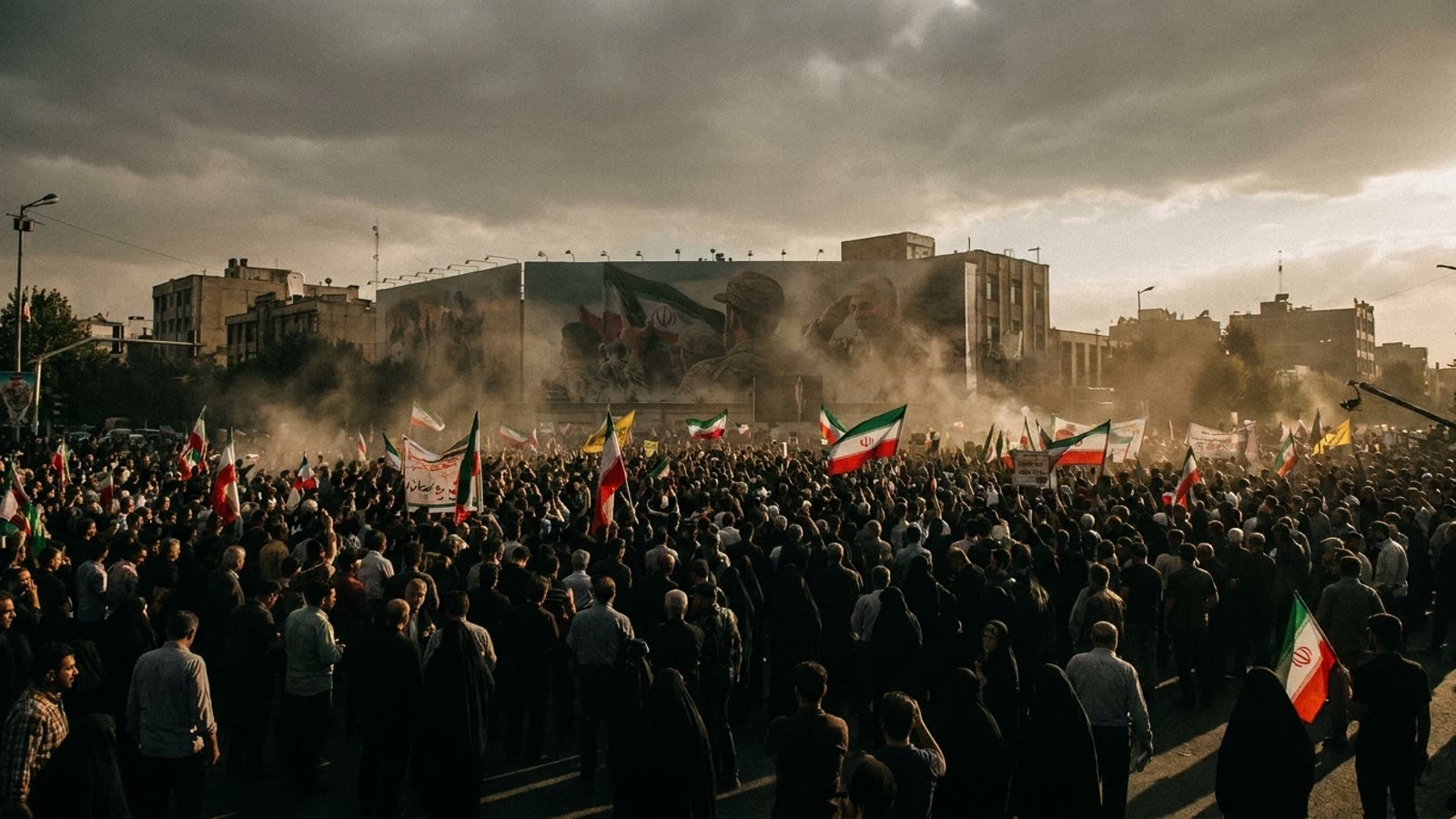
Six months ago, the ceasefire between Washington and Tehran was being hailed as Trump's signature foreign policy achievement—proof that his unconventional approach could deliver results where traditional diplomacy had failed. Now, with that agreement in tatters and both sides exchanging strikes, the Beltway conversation has shifted with whiplash speed from "historic peace" to "what are our military options?"
Smerconish isn't an outlier. He's a bellwether. When centrist cable hosts start gaming out escalation ladders, it means the national security establishment is already several steps ahead in its planning. The trial balloons aren't meant to shock; they're meant to acclimate.
The pundit-to-policy pipeline
There's a well-worn pattern in Washington: float controversial options through friendly media, gauge public reaction, then either advance or retreat based on the response. Smerconish's segment fits neatly into this template. The framing—"sending a clear message"—does the rhetorical work of making military action sound like communication rather than combat.
What's notable is the absence of serious discussion about why the ceasefire collapsed in the first place, or whether the current tit-for-tat strikes serve any strategic purpose beyond domestic political positioning. The conversation has leapfrogged past accountability and landed squarely on "what next?"
The midterm shadow
With Republican members of Congress already breaking with Trump on Russia sanctions and Ukraine aid, the administration faces an uncomfortable reality: its foreign policy wins are evaporating just as midterm pressures intensify. A dramatic move against Iran might appeal to the base, but it also risks fracturing the already tenuous coalition keeping Trump's agenda afloat.
The Pentagon's reported concerns about Israeli espionage, combined with the ceasefire collapse, suggest an administration struggling to maintain coherent relationships with even its closest regional partners. Escalation against Iran wouldn't solve these problems; it would compound them.
Our take
When cable news starts treating military escalation as just another policy option to be weighed and measured, we've already lost something important. Smerconish is a skilled broadcaster doing his job, but the job itself has become normalizing discussions that should remain extraordinary. The real message being sent isn't to Tehran—it's to the American public, preparing them for possibilities that seemed remote just weeks ago. Whether that preparation serves democratic deliberation or merely manufactures consent is a question worth asking before the next strike lands.