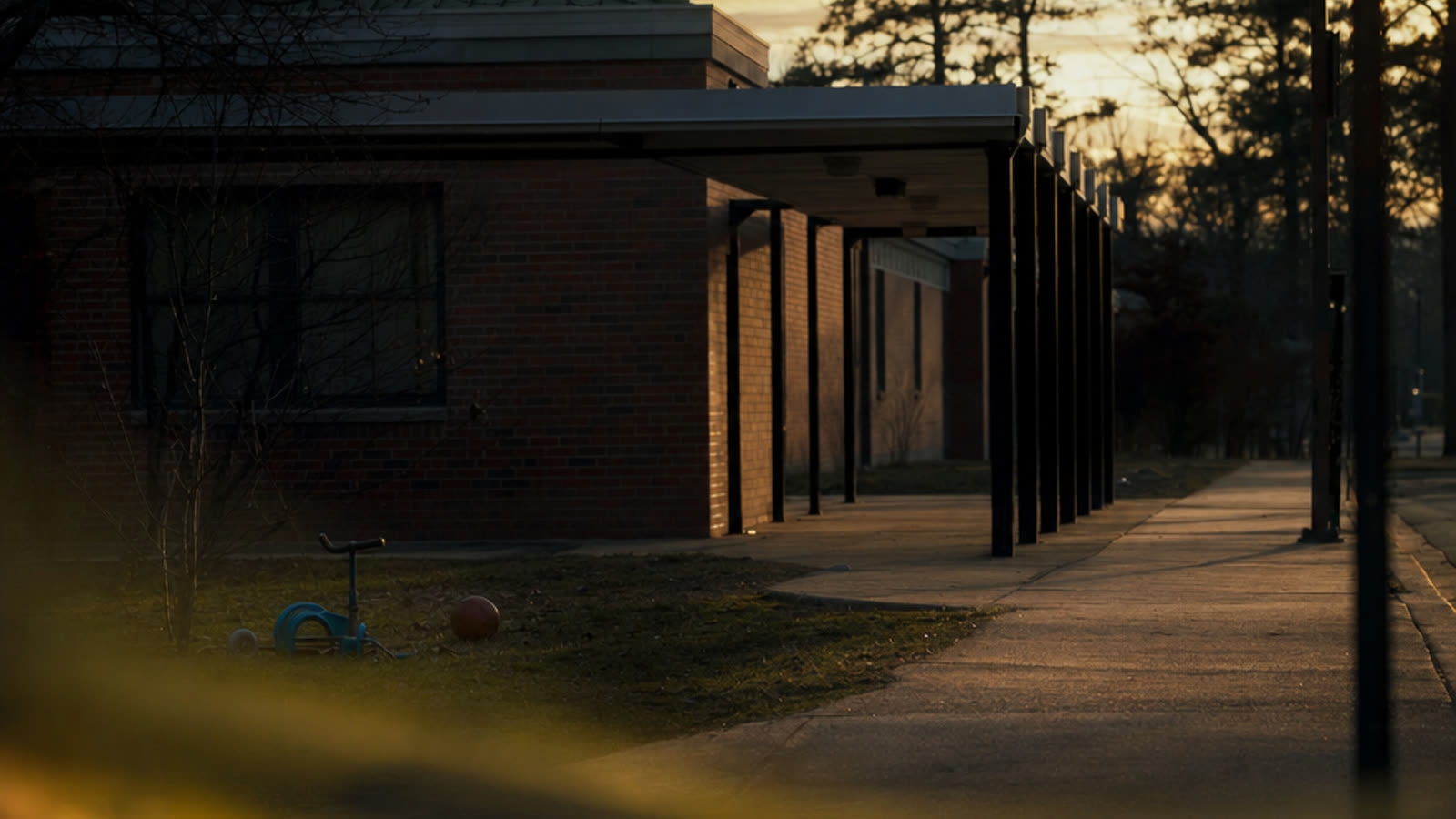
The video is difficult to watch, though not for the reasons you might expect. A six-year-old boy—small enough that his feet dangle from the chair—sits across from police officers in Newport News, Virginia, casually admitting he stole his mother's gun, brought it to Richneck Elementary School, and shot his first-grade teacher Abby Zwerner in January 2023. When officers attempt to explain the gravity of what he's done, he responds with profanity. When they try again, he asks if he can go home.
The footage, released this week as part of ongoing legal proceedings, has circulated with the predictable outrage cycle: shock, hand-wringing, a few days of discourse, then silence. But what makes this case genuinely disturbing isn't the violence itself—America has grown numb to school shootings—it's the complete absence of affect from a child who should, developmentally, still believe in Santa Claus.
The Interrogation That Shouldn't Exist
Virginia law made prosecuting the boy impossible; at six, he was below the age of criminal responsibility. The interrogation footage exists primarily for the civil case Zwerner filed against the school district, which settled for $858,000 after administrators ignored multiple warnings that the child had a gun. His mother, Deja Taylor, pleaded guilty to felony child neglect and received a suspended sentence.
What the video captures is a child who understood, mechanically, what a gun does—he knew it could hurt, knew shooting someone was "bad"—but processed the entire event with the emotional weight of breaking a crayon. Child psychologists have noted this dissociation isn't typical of six-year-olds, even those exposed to violence. It suggests either profound developmental disruption or an environment where violence carried no more significance than any other household routine.
The Uncomfortable Questions We Won't Ask
The American conversation about child violence inevitably collapses into two camps: gun access and mental health. Both apply here—the firearm was unsecured, the child clearly needed intervention—but neither explains the specific horror of a kindergartener treating attempted murder as a minor inconvenience.
Research on childhood aggression consistently shows that children this young who commit serious violence have almost always been victims themselves, or witnessed sustained violence at home. The boy's father had prior gun charges; his mother's neglect conviction suggests a household where adult supervision was theoretical at best. None of this excuses anything, but it does complicate the narrative of a "bad seed" that lets the rest of us off the hook.
Zwerner survived, though she lost the use of one hand and has described lasting psychological trauma. She's become an advocate for school safety, though her proposed solutions—metal detectors, armed guards—feel like treating a symptom while the disease spreads.
Our take
The most disturbing element of this story isn't the shooting itself—it's how quickly it faded from national consciousness, only to resurface now as a legal footnote. A first-grader shot his teacher, cursed at police, and asked to go home, and within weeks America had moved on to the next atrocity. We've built a society where a six-year-old can access a firearm, use it on an adult, and respond to the aftermath with the boredom of a child waiting for recess. The video isn't shocking because it's aberrant. It's shocking because it feels, increasingly, like a preview.