The president who remade the Republican Party in his image is discovering that even loyal lieutenants have limits, and those limits apparently include handing Iran a diplomatic victory dressed up as American triumph.
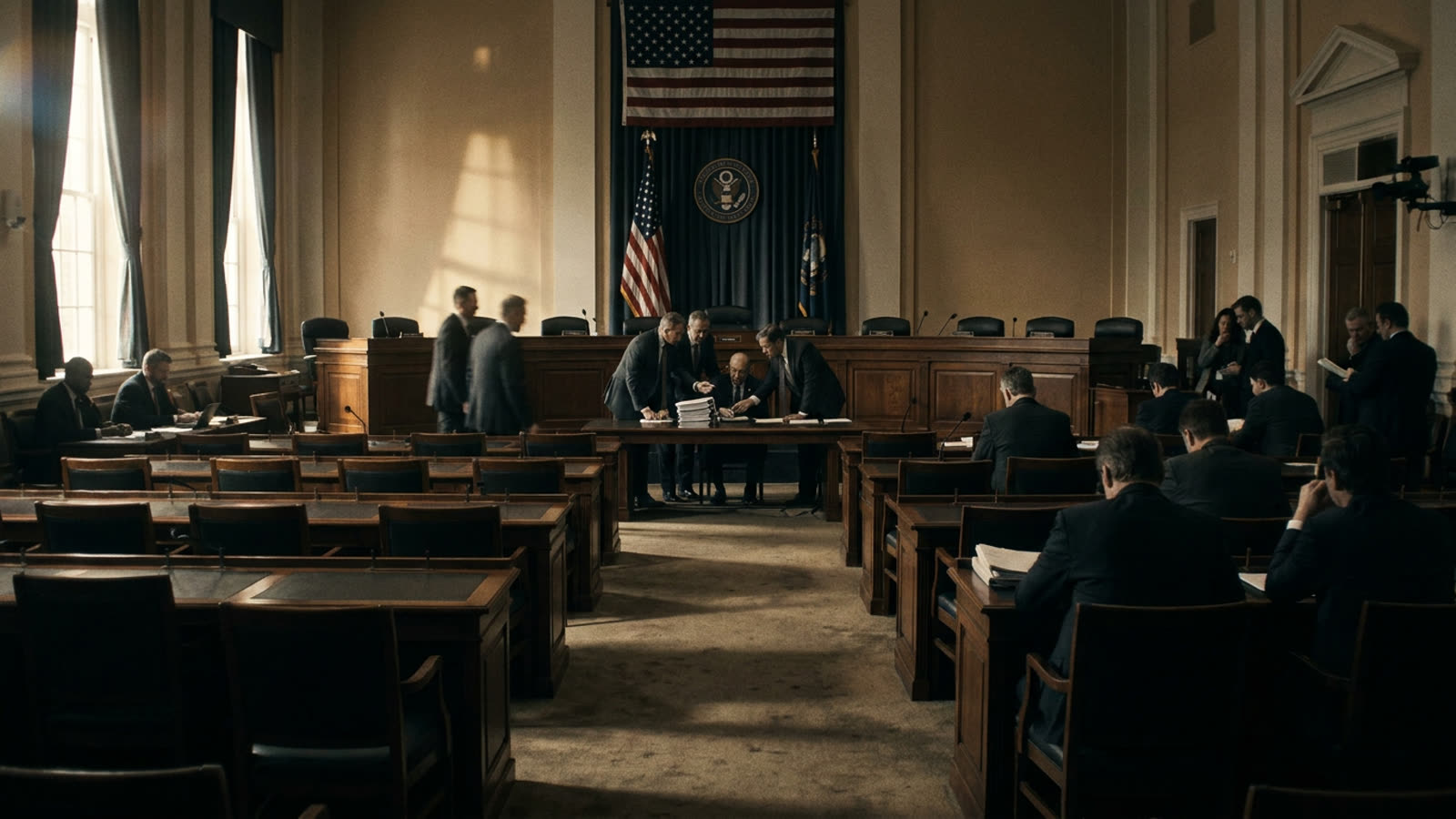
Senate Republicans are now openly casting doubt on the emerging peace framework with Tehran, with multiple members suggesting the deal's terms amount to capitulation. The skepticism is notable not for its substance—hawks have always distrusted negotiations with Iran—but for its source. These are not the usual Never Trump holdouts or retiring senators with nothing to lose. These are members of the president's own coalition, many of whom have spent years defending his foreign policy instincts against establishment criticism.
The substance of the revolt
The concerns center on what Republicans see as asymmetric concessions. The emerging framework reportedly offers Iran significant sanctions relief and implicit acceptance of its regional influence in exchange for pausing—not dismantling—its nuclear program. Hawks argue this merely buys time for Tehran while legitimizing gains it made during the conflict. Senator Lindsey Graham, typically a Trump ally on national security, has questioned whether the deal contains adequate verification mechanisms. Others have raised concerns about the fate of American hostages and the status of Iranian proxy forces in Iraq and Syria.
The timing compounds the political problem. Three months into a conflict that has cost American lives and consumed the administration's bandwidth, Trump appears eager for any exit that can be framed as victory. His critics within the party believe Iran's negotiators have recognized this desperation and are exploiting it.
Why this rebellion matters
Republican foreign policy dissent against Trump has historically been toothless. Senators might grumble privately or issue carefully worded statements of concern, but when votes mattered, the party lined up. This moment feels different for two reasons.
First, the war itself never had unified Republican support. Unlike the reflexive rally-around-the-flag response to past conflicts, the Iran engagement divided the party from the start, with some members questioning whether the initial strikes were proportionate or wise. The absence of a founding consensus makes the exit strategy vulnerable to second-guessing.
Second, Trump's political position has weakened. The conflict has not delivered the quick, decisive outcome the administration promised. Polling shows public exhaustion with the engagement, but that exhaustion cuts both ways—Americans want out, but they also don't want to feel they lost. A deal that can be characterized as surrender satisfies neither impulse.
The White House calculation
Administration officials are betting that Republican opposition will melt once a deal is announced and the alternative—continued conflict—becomes concrete. They may be right. The party's institutional incentives still favor unity, and most senators will be reluctant to own responsibility for prolonging a war. But the public skepticism creates space for Democratic attacks and complicates the inevitable victory lap.
The president has also boxed himself in rhetorically. Having spent months describing Iran's leadership in maximalist terms—terrorists, existential threats, enemies of civilization—any agreement requires either explaining why those enemies can now be trusted or admitting the rhetoric was always negotiating theater. Neither option is comfortable.
Our take
Trump built his foreign policy brand on the premise that deals are always possible if you're willing to be unpredictable and your opponents believe you might do anything. Iran has now called that bluff. The mullahs absorbed American strikes, held their position, and waited for the president's attention span to expire. Senate Republicans are not wrong to notice that this looks less like the art of the deal and more like the art of the face-saving retreat. Whether they have the conviction to do anything about it is another question entirely.