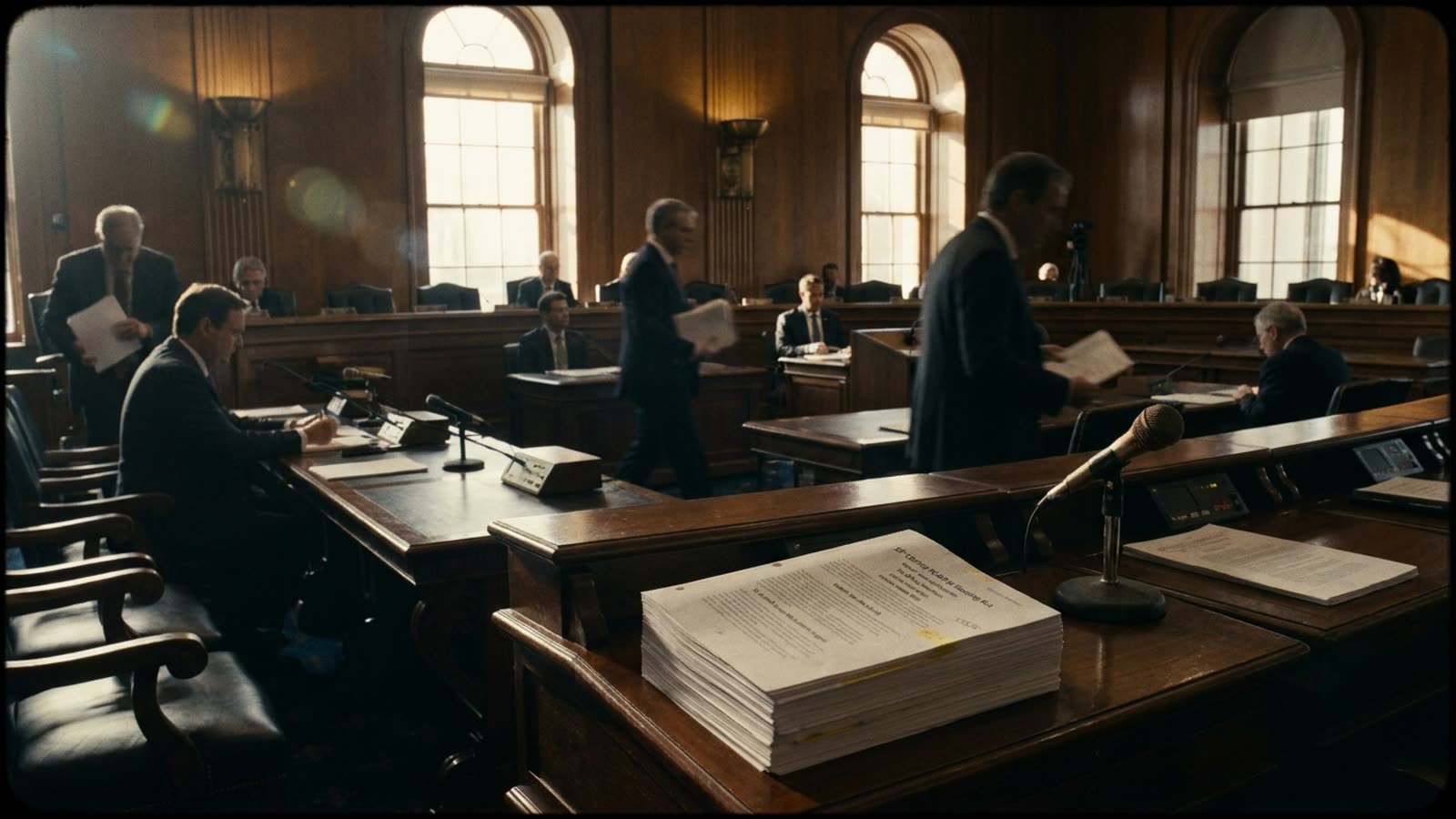
The Senate's passage of a sweeping housing affordability bill this week would normally dominate economic headlines on its own merits. Instead, the real news is tucked into Section 847: a four-year moratorium on the Federal Reserve issuing, piloting, or even seriously developing a retail central bank digital currency. The digital dollar, which seemed inevitable two years ago, is now legislatively frozen until at least 2030.
This is not a minor procedural hiccup. It represents the clearest signal yet that American monetary policy will remain anchored to the existing banking system for the foreseeable future, even as China's digital yuan processes billions in transactions and the European Central Bank inches toward a digital euro pilot.
The legislative sleight of hand
Burying controversial provisions inside unrelated must-pass legislation is a Washington tradition, but the CBDC ban is a particularly elegant example. Housing affordability polls as a top-three concern among voters across party lines. Opposing the bill means opposing down-payment assistance, first-time buyer tax credits, and zoning reform incentives. By attaching the digital currency moratorium to this package, sponsors effectively dared colleagues to vote against homeownership to save a hypothetical Fed project that most Americans have never heard of.
The strategy worked. The bill passed with comfortable bipartisan margins, and floor debate barely touched the CBDC provision. Privacy advocates and crypto-skeptical Republicans found common cause with community bankers terrified of disintermediation. The coalition was broad enough that the White House has signaled it will sign the bill despite reservations about the monetary policy rider.
What the Fed loses
The moratorium does not merely pause a project; it freezes institutional capacity. The Fed's digital currency research team, which had grown to several dozen specialists, now faces an uncertain mandate. Academic partnerships and international coordination efforts will stall. By 2030, the technological landscape will have shifted dramatically, and the United States may find itself rebuilding expertise from scratch while competitors have years of operational data.
More immediately, the ban removes a policy tool the Fed had hoped to deploy in future crises. A retail CBDC could theoretically enable direct stimulus payments without banking intermediaries, or provide a public-sector alternative during bank runs. Those options are now off the table for at least one presidential term.
The winners write the rules
Commercial banks are the obvious beneficiaries. A Fed-issued digital dollar threatened to let consumers hold central bank liabilities directly, potentially draining deposits from the private banking system. That existential threat has been deferred. Stablecoin issuers also breathe easier; without a government competitor, dollar-pegged tokens retain their niche in the crypto ecosystem.
The crypto industry's reaction has been muted but positive. A CBDC would have offered all the convenience of digital dollars with none of the decentralization ethos. Its absence preserves the ideological case for private alternatives, even if it does nothing to resolve regulatory uncertainty around existing tokens.
Our take
The housing bill's CBDC provision is less a policy decision than a confession of political exhaustion. Lawmakers chose not to have the digital dollar debate at all, preferring to let the clock run out on a question that divides their coalitions. The result is a four-year experiment in strategic inaction. Whether that proves wise depends entirely on what the rest of the world builds while America waits.