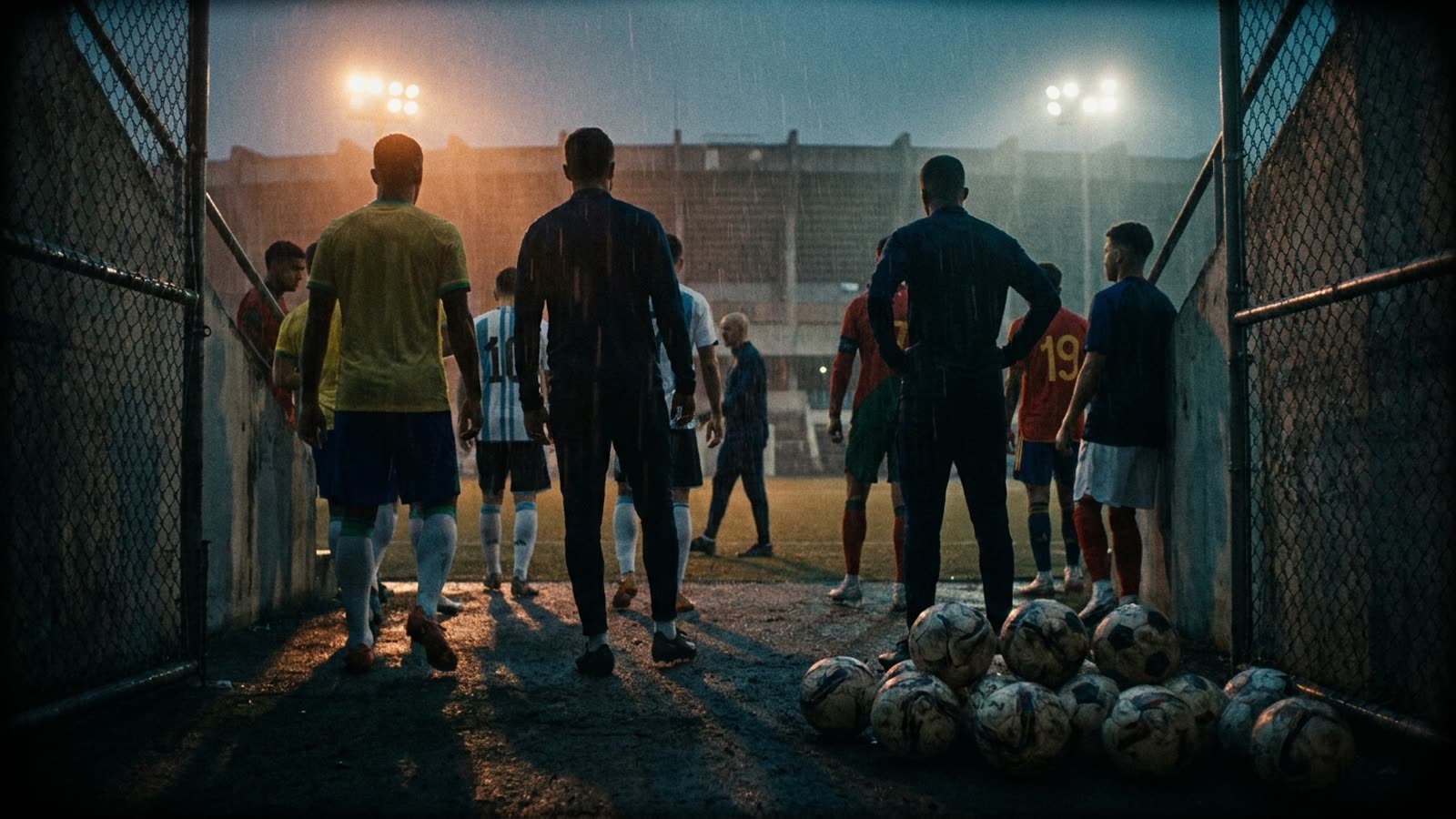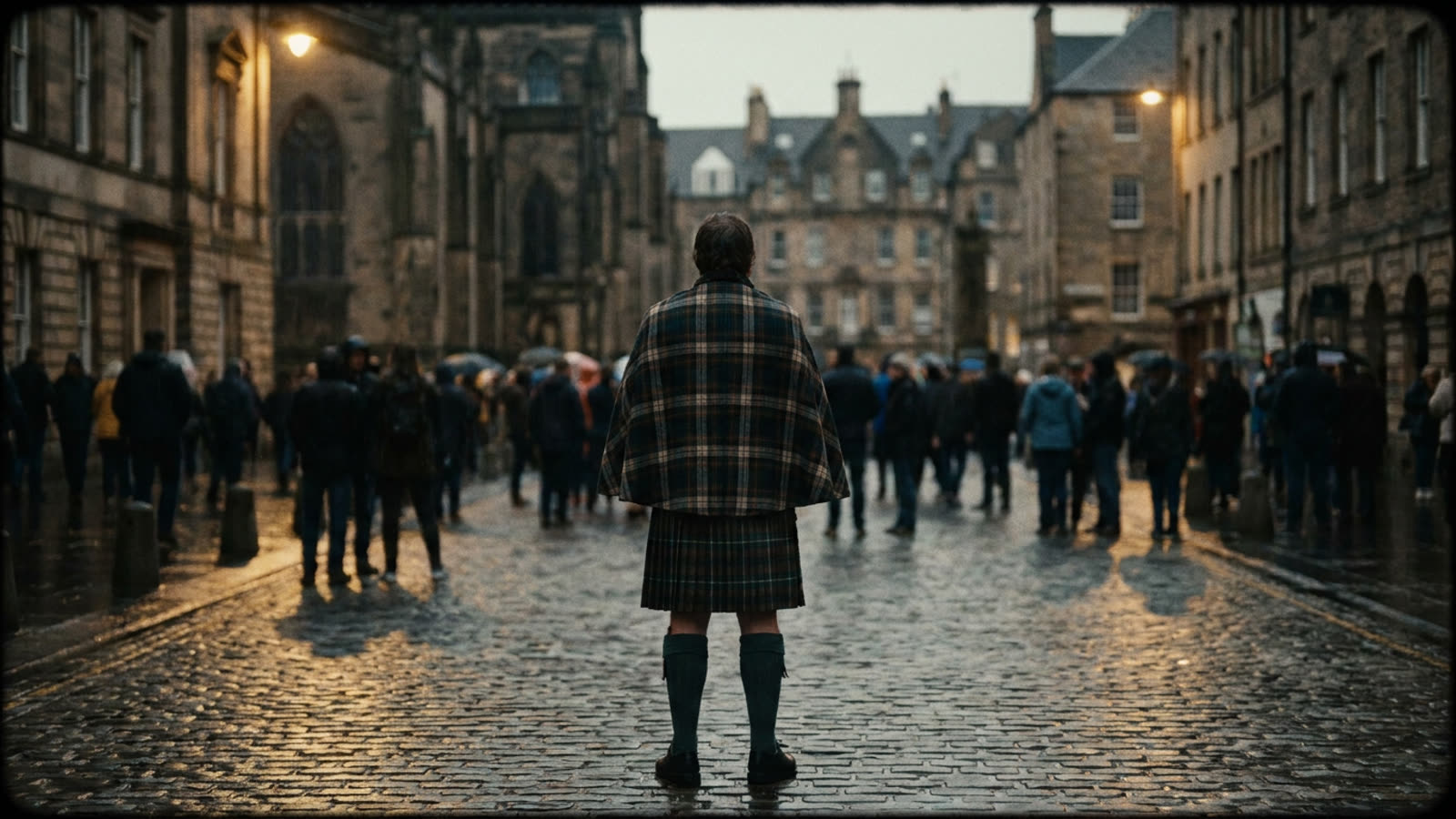
The 2026 World Cup will be remembered for many things—the sprawling North American geography, the hydration breaks, the VAR controversies—but its unofficial mascot has already been decided. Scotland's Tartan Army, that kilted, face-painted, endlessly singing mass of supporters, has become the tournament's emotional center, even as the Scottish national team remains, as ever, a work in progress.
This is not an accident. It is a coping mechanism refined over generations.
The economics of lovable failure
Scotland last qualified for a World Cup in 1998. Before that, they had qualified for five consecutive tournaments from 1974 to 1990, never advancing past the group stage. The pattern established something remarkable: a fanbase that learned to decouple joy from results. The Tartan Army travels not to witness triumph but to participate in a roving festival of national identity, one where the quality of the singalong matters more than the scoreline.
This World Cup has seen them descend on American and Mexican cities in numbers that dwarf their nation's population relevance. They have cleaned up stadiums after matches. They have serenaded opposing fans with "Flower of Scotland" until those fans joined in. They have turned sports bars in Dallas and Guadalajara into temporary Scottish pubs, complete with impromptu ceilidhs. Social media has been flooded with videos of Tartan Army members befriending locals, teaching children to chant, and generally behaving like the world's most enthusiastic cultural ambassadors.
Why this moment hits differently
The timing matters. In an era when football fandom is increasingly associated with tribalism, violence, and online toxicity, the Tartan Army offers a counter-narrative. They are aggressively friendly. Their nationalism is performative rather than exclusionary—the kilts and bagpipes are costume, not threat. They have become, in effect, the tournament's designated good vibes, a role they have embraced with the fervor of a nation that knows its team probably will not make it out of the group.
There is something almost therapeutic about watching them. For neutral observers exhausted by the stakes-obsessed coverage of every match, the Tartan Army provides permission to enjoy football as spectacle rather than existential drama. They are having fun, visibly and contagiously, and they do not require a result to justify it.
Our take
The Tartan Army's dominance of World Cup discourse is both heartwarming and slightly melancholy. They have perfected the art of finding meaning in the journey because the destination has been closed to them for so long. Scotland may yet surprise everyone and advance—stranger things have happened in this sport—but even if they crash out in familiar fashion, their fans will have won something more durable than a knockout round. They have reminded everyone that football, at its best, is supposed to be joyful. That is not a small thing.