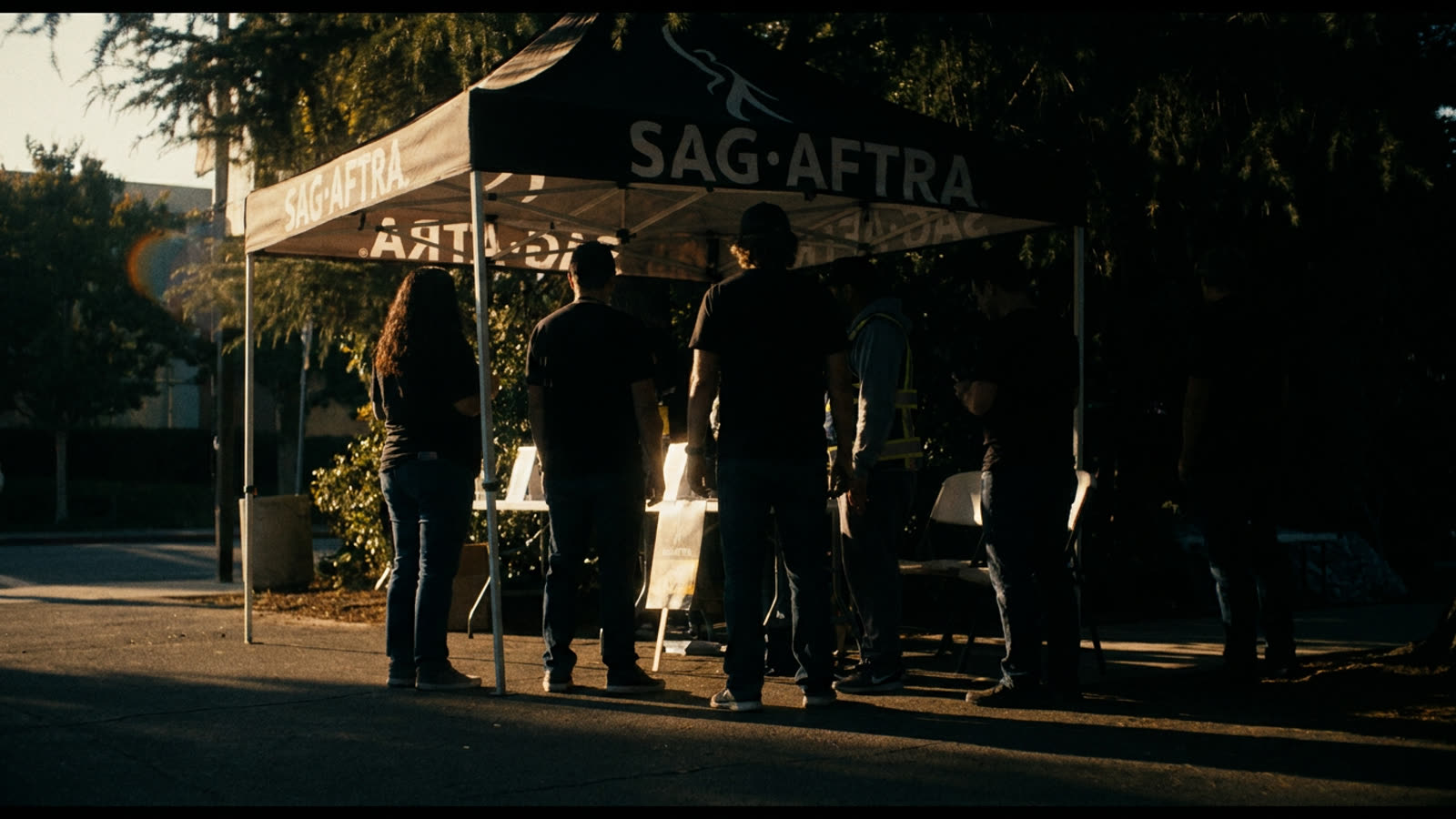
Hollywood's actors have a new three-year contract with the major studios, and the fine print is already causing heartburn. The tentative agreement, unveiled Monday, grants producers expanded rights to use artificial intelligence in creating synthetic performances—a concession that, in exchange for guardrails and consent requirements, effectively normalizes a technology many performers view as existential. Simultaneously, the deal merges SAG-AFTRA's two pension plans, a move union leadership frames as fiscal prudence but skeptics worry could dilute benefits for veteran members.
The combination has created an unusual coalition of discontent: younger actors anxious about AI replacing entry-level work, and older members protective of retirement funds they spent decades earning.
The AI bargain
Under the new terms, studios may use generative AI to create, modify, or extend performances, provided they obtain consent and pay negotiated fees. The language is more permissive than what SAG-AFTRA secured in its 2023 strike settlement, reflecting how quickly the technology—and studio appetite for it—has matured. Union negotiators argue the consent framework is robust, but critics note that "consent" in a buyer's market often means accepting whatever is offered or losing the job entirely. Background performers and voice actors, whose contributions are easiest to synthesize, have been particularly vocal.
Pension math
The merger of the Screen Actors Guild–Producers Pension Plan and the AFTRA Retirement Fund is billed as a way to reduce administrative costs and shore up long-term solvency. But merging two plans with different benefit structures inevitably creates winners and losers. Members of the older SAG plan, which historically offered richer payouts, fear their benefits will be averaged down. Union officials insist no one will see reduced accrued benefits, yet the actuarial details remain opaque, and trust is in short supply after a bruising negotiation.
Ratification politics
Leadership now faces a roadshow to persuade a membership that went on strike just three years ago and remains primed for skepticism. The contract requires a simple majority to ratify, and early polling among union activists suggests the vote will be closer than leadership would like. A rejection would be unprecedented in modern SAG-AFTRA history and would throw the industry back into uncertainty at a moment when streamers and legacy studios are already retrenching.
Our take
This deal reads like a managed retreat. SAG-AFTRA extracted real concessions—consent protocols, minimum payments for AI replicas, continued health-fund contributions—but the direction of travel is clear: studios now have contractual permission to build the synthetic-performance pipelines they have been prototyping for years. Whether the guardrails hold will depend less on contract language than on members' willingness to enforce it, and on how quickly AI output improves. The pension merger may prove wise or ruinous; no one will know for a decade. For now, actors are being asked to trust their leadership on two enormous bets at once. That is a lot to ask.