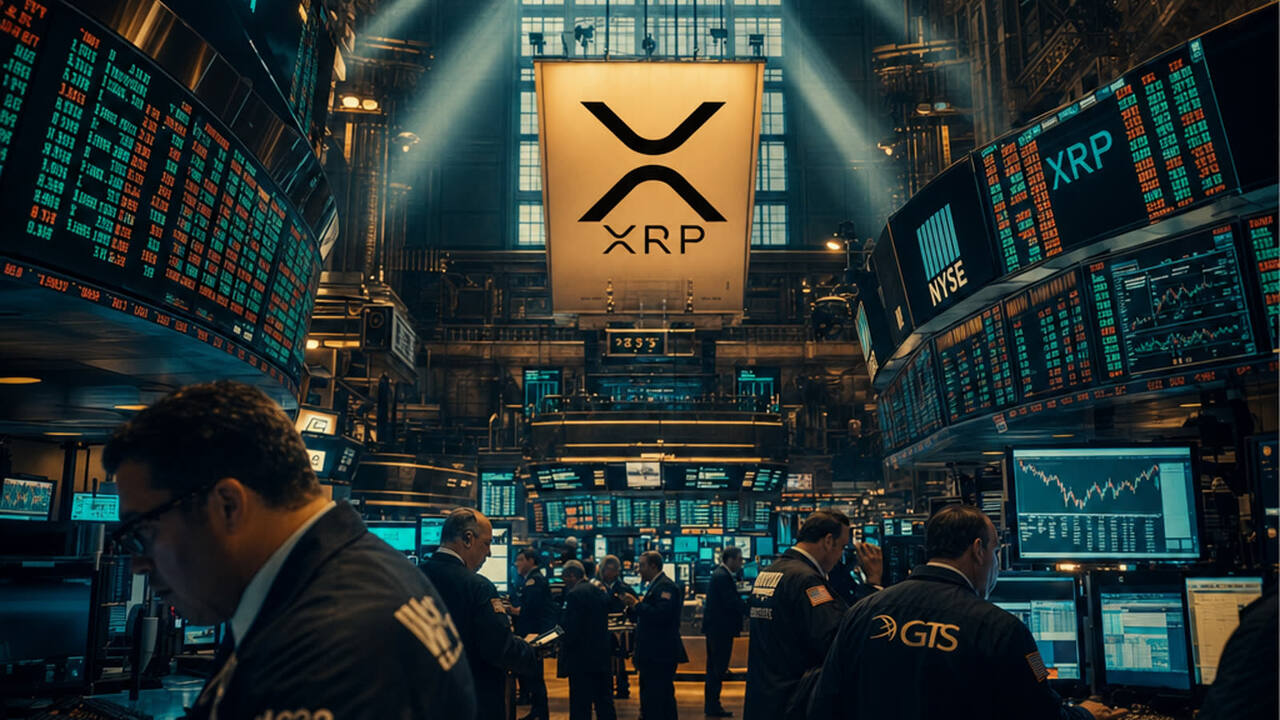
The blockchain industry has spent the better part of a decade promising to tokenize everything from real estate to fine art, with results that ranged from underwhelming to fraudulent. But 2026 is proving different, and the difference is equities.
Tokenized stocks—blockchain-native representations of traditional equity shares—have emerged as the dominant use case in the real-world asset (RWA) tokenization market, which has quietly swelled past $12 billion in total value locked according to industry trackers. The shift marks a departure from the sector's earlier fixation on exotic assets and toward the most liquid, regulated, and institutionally familiar instrument in finance: the common stock.
Why stocks, why now
The logic is almost embarrassingly straightforward. Equities already have deep liquidity, established price discovery, and regulatory frameworks that, while complex, at least exist. Tokenizing a share of Apple presents fewer novel legal questions than tokenizing a Picasso or a Miami condo. The infrastructure has also matured: custody solutions from the likes of Coinbase Custody and Anchorage now meet institutional standards, while settlement rails have improved enough to make T+0 clearing a genuine selling point rather than a theoretical one.
Major financial institutions have moved from press-release partnerships to actual deployments. BlackRock's tokenized money market fund, launched earlier this year, crossed $500 million in assets under management within months. Franklin Templeton's on-chain fund offerings continue to expand. The message from traditional finance is no longer skepticism but cautious adoption.
The regulatory tailwind
Perhaps the most underappreciated factor is regulatory clarity—or at least the absence of active hostility. The SEC's enforcement-heavy approach of 2023-2024 has given way to a more nuanced posture, with the agency signaling openness to compliant tokenization frameworks. Europe's MiCA regulations, now fully in force, have created a template that other jurisdictions are studying. Singapore and the UAE continue to compete for tokenization business with relatively permissive regimes.
This doesn't mean the path is frictionless. Cross-border settlement remains a headache, and the question of whether tokenized securities qualify for the same tax treatment as their traditional counterparts is still being litigated in multiple jurisdictions. But the direction of travel is clear.
Our take
Tokenization's original sin was trying to be revolutionary when it should have been boring. The assets that work best on-chain are the ones that already work well off-chain—they just work slightly better with programmable settlement and 24/7 markets. Stocks fit that description perfectly. The crypto industry spent years chasing the wrong prize; it turns out the real opportunity was making Wall Street's existing plumbing marginally more efficient. Not exactly the stuff of manifestos, but it might actually be a business.