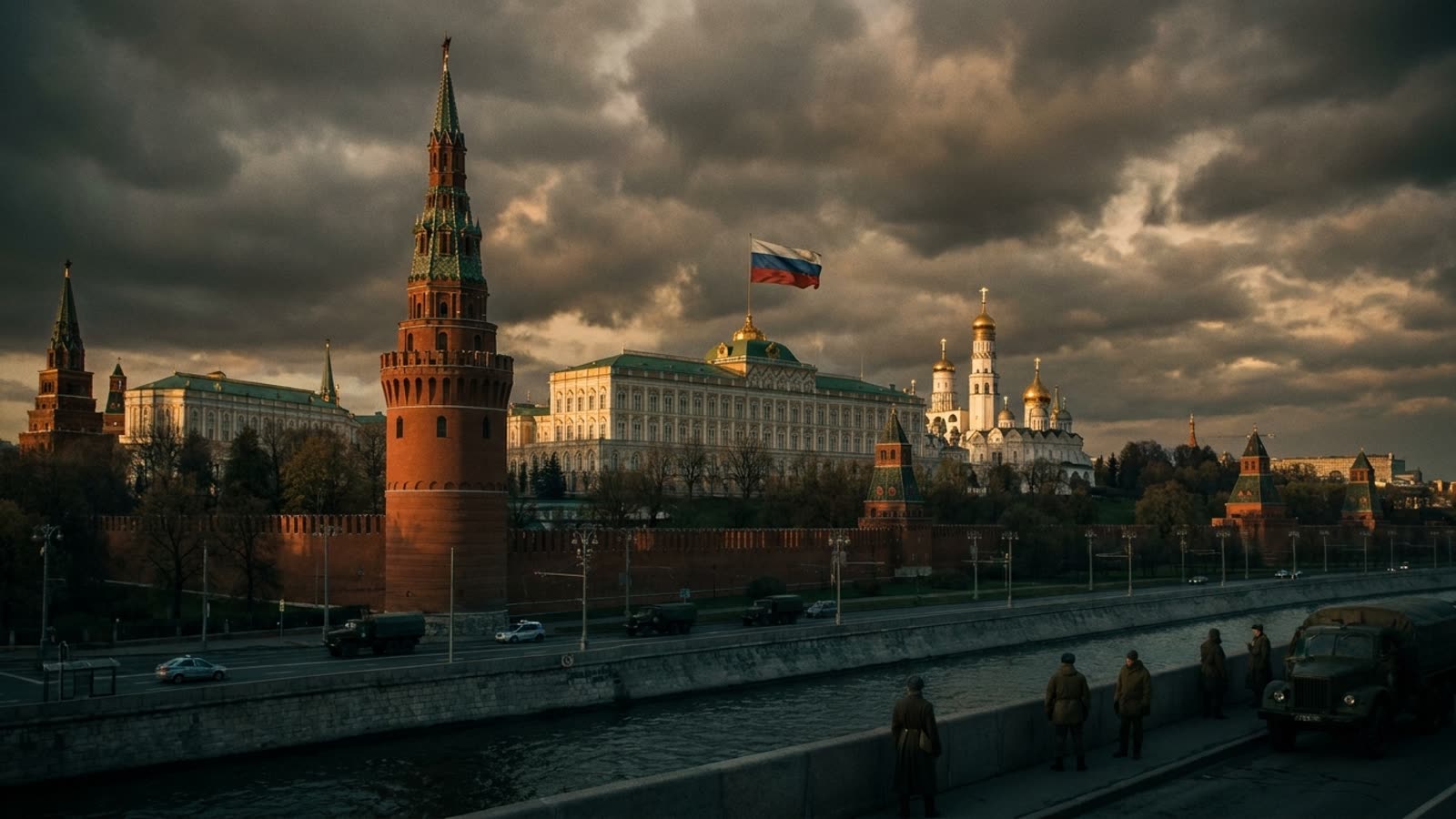
For most of this war, Russia's fundamental advantage has been brutally simple: more men. Moscow could absorb casualties that would break most armies, replenishing its ranks through a combination of prison recruitment, regional conscription, and financial incentives that made military service attractive to Russia's economically desperate periphery. Ukraine, with a fraction of the population and Western allies increasingly fatigued, appeared locked in an arithmetic trap.
That calculus is now changing in ways that matter.
The Numbers Behind the Shift
Russia's casualty rates have remained staggering throughout 2026, with estimates suggesting losses exceeding several hundred thousand since the full-scale invasion began. But the recruitment pipeline that once seemed bottomless is showing genuine strain. The prisons that provided early waves of Wagner fighters are largely depleted. Regional signing bonuses have ballooned to levels that strain even Russia's wartime budget. And the Kremlin's reluctance to order a second formal mobilization — politically toxic after the chaos of 2022 — has left commanders relying on increasingly coercive and economically inefficient methods to fill ranks.
Meanwhile, Ukraine's own mobilization, though painful and controversial, has stabilized its defensive lines. Western ammunition supplies, while still inconsistent, have improved from the critical shortages of late 2024.
What This Means for the Battlefield
A narrowing manpower gap doesn't guarantee Ukrainian victory — far from it. Russia still holds significant territorial gains and maintains advantages in artillery, air power, and industrial capacity. But wars of attrition are ultimately decided by which side exhausts first, and the trajectory has shifted.
Moscow's operational tempo has already slowed in several sectors. The grinding advances that characterized much of 2025 have given way to more static lines in key areas. Russian commanders, once profligate with infantry, are showing greater caution — a behavioral change that suggests awareness of the constraint.
The Political Dimension
The manpower question is inseparable from politics. Putin has staked his domestic legitimacy on avoiding the kind of mass mobilization that would bring the war home to Moscow and St. Petersburg's middle classes. Every month that passes without such a decree is a month the Kremlin is betting it can sustain the current approach. If that bet fails, the political consequences could be severe — not necessarily regime-ending, but certainly destabilizing.
For Ukraine's Western backers, the shift offers a counterargument to the fatigue narrative. Continued support isn't pouring resources into a hopeless cause; it's maintaining pressure on an adversary whose position is genuinely weakening.
Our take
Wars rarely end with clean victories; they end when one side's will or capacity breaks. Russia's capacity hasn't broken, but it's bending in ways that weren't visible a year ago. The West's strategic patience is being tested precisely when that patience might matter most. Walking away now would be abandoning a position just as the underlying dynamics finally favor persistence.