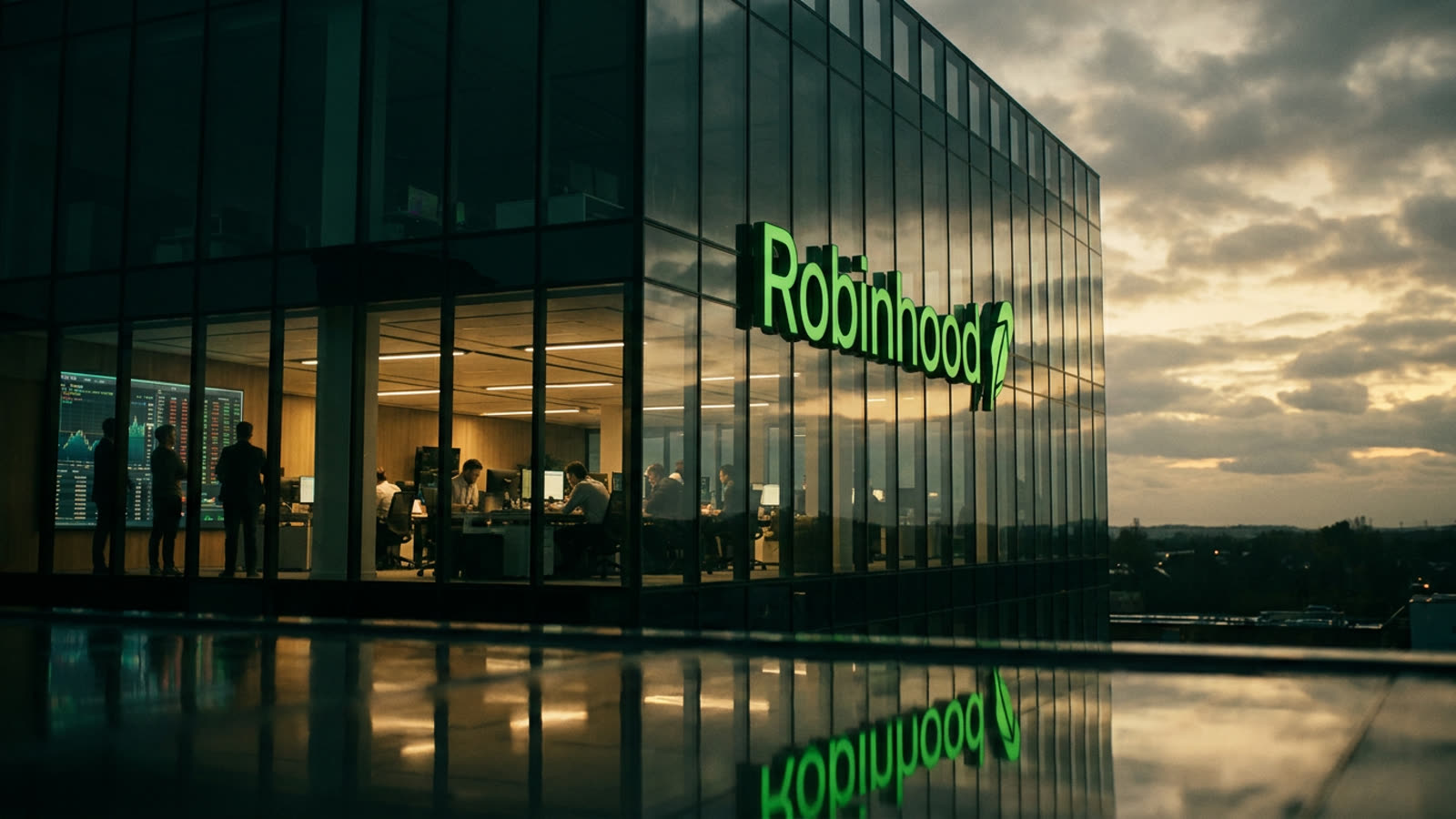
Robinhood's quiet SEC filing for a second venture fund is less a pivot than a logical endgame. The company that let millions of retail traders buy fractional shares of Tesla and Nvidia now wants to own pieces of the next Tesla and Nvidia—before those companies ever ring an opening bell.
The new fund will target both early-stage and growth-stage startups, broadening the aperture from Robinhood's inaugural venture vehicle. The timing is deliberate: an AI-driven rally has swelled the brokerage's assets under custody and emboldened management to deploy capital where returns historically have been fattest—and most exclusive.
The strategic logic
Robinhood's core business depends on trading volume and assets gathering fees. But public-market returns have compressed as companies stay private longer; by the time a startup IPOs, much of the value creation has already been harvested by venture funds, sovereign wealth vehicles, and late-stage crossover investors. Robinhood's answer is to move upstream. If it can identify promising startups early, it captures appreciation that would otherwise accrue to Sequoia or Andreessen Horowitz—and it can eventually offer those shares to its own customer base, completing a vertically integrated pipeline from seed check to retail distribution.
Risks worth noting
Venture capital is a different discipline than running a brokerage. Deal sourcing, due diligence, and portfolio construction require specialized talent and relationships that Robinhood is still building. The firm's first fund was modest in scope; scaling to growth-stage checks means competing directly with funds that have decades of pattern recognition. There is also reputational risk: if Robinhood-backed startups flame out spectacularly, the brand damage could spill into its retail business.
Why the AI rally matters
Robinhood's stock has surged alongside the broader AI trade, giving management both the confidence and the currency—its own equity—to recruit venture talent and anchor limited partners. The rally also inflates private valuations, which cuts both ways: entry prices are higher, but so is the exit potential if the hype cycle sustains. Robinhood is betting that generative AI is not a bubble but a generational platform shift, and it wants exposure before the window narrows.
Our take
Robinhood's venture push is audacious but coherent. The company has always positioned itself as a disruptor of gatekeeping—first in stock trading, then in crypto, now in private markets. Whether it can actually pick winners is an open question, but the strategic intent is sound: capture value earlier, keep users engaged longer, and blur the line between brokerage and asset manager. If it works, Robinhood becomes something closer to a full-stack financial platform. If it doesn't, well, at least the filing was confidential.