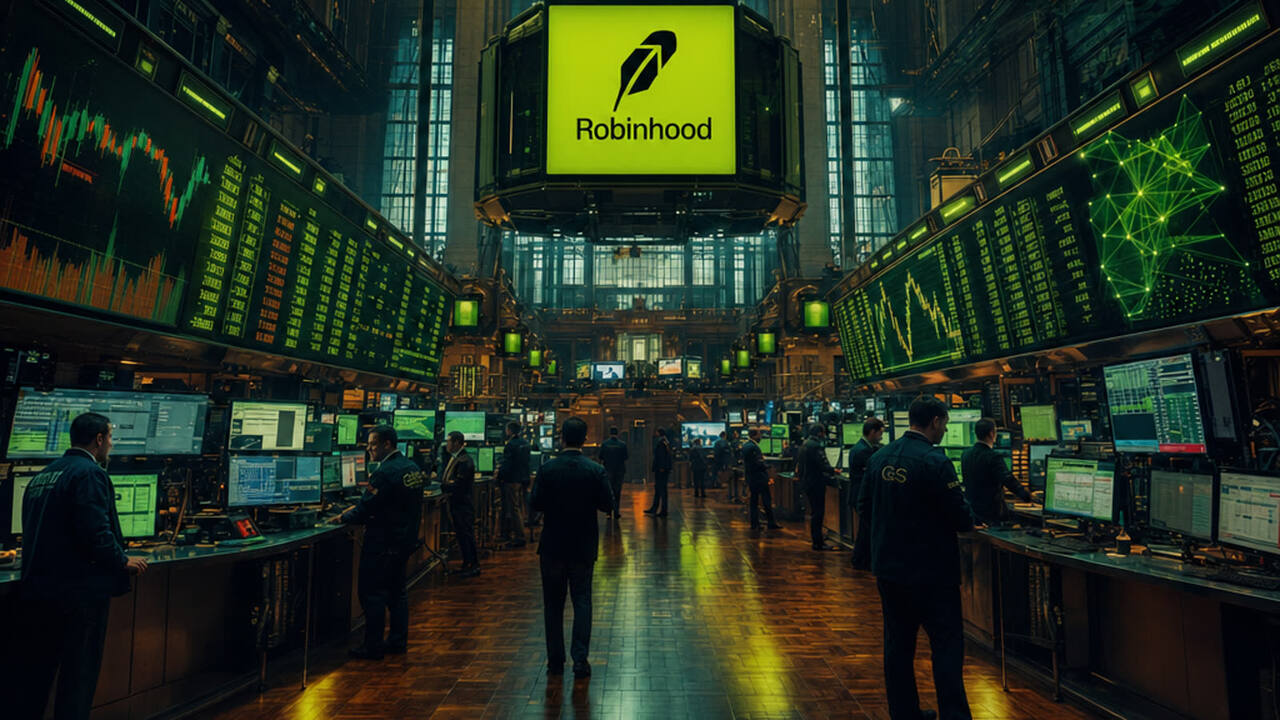
Robinhood's decision to launch its own Ethereum Layer-2 network represents the most aggressive bet a mainstream fintech has placed on blockchain infrastructure since PayPal's stablecoin experiment. The company that once crashed under the weight of GameStop mania is now building the rails it hopes will carry the next generation of retail speculation.
The Robinhood Chain, announced in late 2026, aims to bridge the gap between traditional brokerage services and decentralized finance by enabling tokenized versions of stocks to trade alongside the meme coins that have become a cultural phenomenon. It is a calculated gambit: capture the crypto-native traders who fled to decentralized exchanges while keeping the stock-curious millennials who made Robinhood a household name.
The technical play
By building on Ethereum's Layer-2 ecosystem, Robinhood sidesteps the congestion and gas fees that have historically made on-chain trading prohibitive for small retail orders. The architecture reportedly leverages optimistic rollup technology, batching transactions off-chain before settling them on Ethereum's mainnet. This means a user could theoretically buy a tokenized fraction of Apple stock and swap it for a meme coin in a single interface, with settlement times measured in minutes rather than the T+1 standard of traditional markets.
The technical sophistication matters less than the strategic positioning. Robinhood is not competing with Coinbase for crypto purists; it is competing for the attention of the same retail traders who drove its pandemic-era growth but have since drifted toward platforms offering more exotic instruments.
Regulatory tightrope
Tokenized securities remain a regulatory gray zone that the SEC has been reluctant to clarify. Robinhood's approach appears to involve issuing tokens that represent claims on actual shares held in custody — a structure that resembles existing fractional share programs more than it does pure DeFi. Whether this satisfies regulators remains an open question.
The timing is notable. With the SEC distracted by larger enforcement actions and the political calendar creating uncertainty about future agency leadership, Robinhood may be calculating that launching now gives it time to establish market presence before any regulatory reckoning arrives.
Our take
Robinhood has always understood that retail finance is as much about entertainment as it is about returns. The Robinhood Chain is the logical extension of that philosophy: a platform where the line between investing and gambling blurs entirely, wrapped in the legitimacy of blockchain infrastructure. Whether this represents financial innovation or regulatory arbitrage dressed in technical sophistication depends largely on your priors. What it undeniably represents is Robinhood's refusal to become a boring brokerage — and its willingness to bet the company on staying relevant to traders who crave novelty above all else.