The traditional wine cellar—that climate-controlled monument to patience and capital—is becoming a relic of a different kind of wealth. In its place, a new figure has emerged in the lives of the affluent: the personal sommelier, a professional who curates, sources, and sometimes even tastes on behalf of clients who would rather subscribe to expertise than accumulate bottles.
This shift reflects something larger than changing storage preferences. It represents a fundamental reorientation in how the wealthy consume luxury, from ownership to access, from collection to curation.
The economics of expertise
Maintaining a serious wine cellar has always been expensive beyond the bottles themselves. Climate control, insurance, cataloguing, and the opportunity cost of capital tied up in depreciating (or appreciating, if you're lucky) assets add up. A case of first-growth Bordeaux sitting in a basement for two decades represents not just the purchase price but everything that money could have done instead.
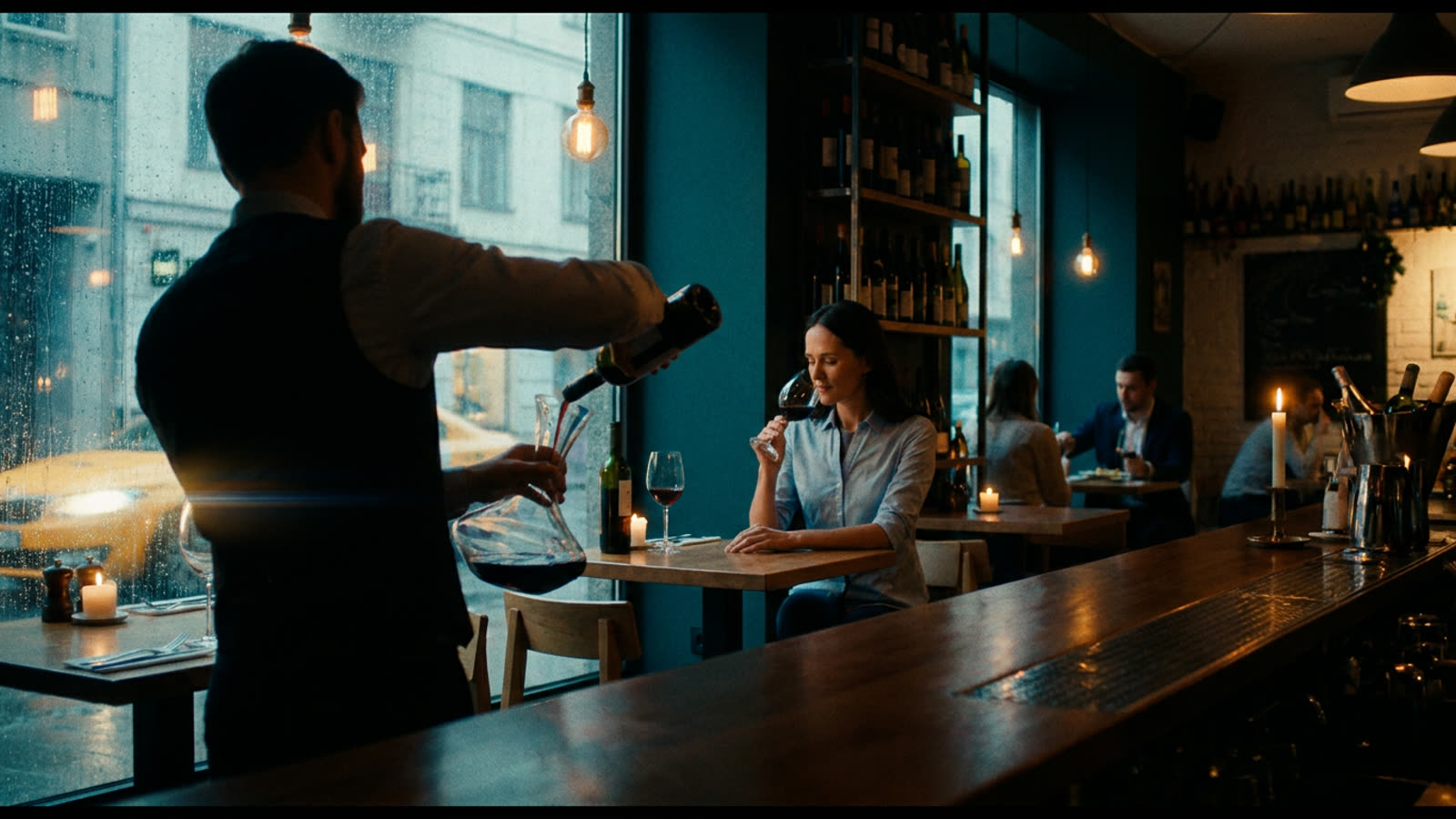
The personal sommelier model flips this equation. For a retainer that typically runs into five figures annually, clients gain access to someone who tracks their preferences, monitors auction markets, maintains relationships with small producers, and ensures the right bottle appears at the right dinner without the client ever thinking about storage or provenance. The sommelier becomes a living, breathing algorithm of taste.
This appeals particularly to a cohort that made money in industries where asset-light models dominate. If you built wealth in software or finance, the idea of paying for outcomes rather than owning infrastructure feels natural. Why maintain a cellar when you can subscribe to one?
The intimacy of outsourced taste
What makes the personal sommelier relationship unusual is its peculiar intimacy. A good one learns not just what you like but who you want to be when you drink it. They understand which clients want to impress with obscure natural wines and which need the reassurance of recognizable labels. They know when you're drinking to celebrate, to mourn, or to close a deal.
This creates a dynamic that sits somewhere between therapist and personal shopper. The sommelier becomes a keeper of secrets—they know what you actually enjoy versus what you claim to enjoy, which guests merit the good stuff, and which get the presentable-but-ordinary bottles. They witness the gap between aspiration and reality that defines so much of luxury consumption.
Some sommeliers report that their most valuable service isn't finding rare bottles but providing permission. Wealthy clients often feel anxious about their own taste, worried they'll reveal themselves as unsophisticated. The sommelier's role becomes partly psychological: validating choices, providing the language to discuss them, and offering cover for preferences that might seem basic.
What gets lost
The traditional cellar represented something beyond consumption—it was a form of optimism, a bet that you'd still be around and still care in twenty years when that Burgundy finally opened up. Building a collection meant developing knowledge, making mistakes, learning from them. The cellar was a record of your evolving palate.
The subscription model strips this away. When someone else handles acquisition and storage, the educational friction disappears. You never buy a disappointing case and spend years figuring out why. You never open something too early and learn patience the hard way. The expertise remains with the expert.
This mirrors broader trends in how the affluent engage with culture. The personal art advisor, the private museum guide, the curated travel experience—all offer the same bargain: skip the learning curve, arrive directly at refined consumption. What's gained in efficiency is lost in the particular satisfaction of hard-won knowledge.
Our take
There's nothing wrong with hiring expertise—sommeliers exist because wine is genuinely complicated and life is short. But something shifts when taste itself becomes a deliverable. The old wine collector, for all his pretensions, was engaged in a form of self-cultivation, however imperfect. The new model offers sophistication without the inconvenience of actually becoming sophisticated. It's luxury as subscription service, which may be honest about what status consumption has always been: less about the thing itself than about what it signals. At least the personal sommelier makes the transaction explicit.