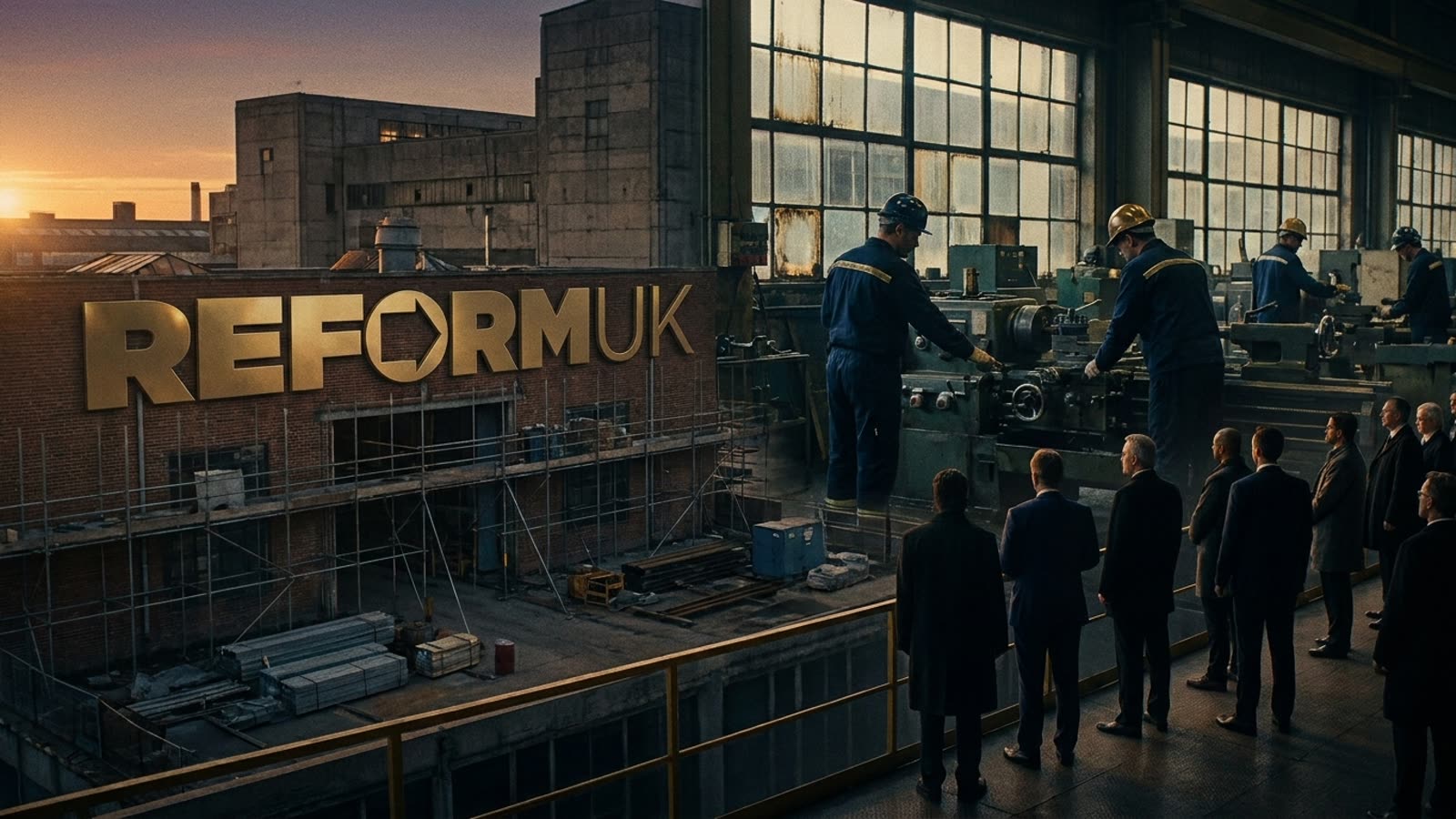
The morning after is always sobering, and Reform UK woke up on Saturday to find itself holding more council seats than it has ever possessed—and more questions than it has ever faced. Party chairman Zia Yusuf struck a conciliatory tone, promising not to take voters for granted and insisting the party "welcomes scrutiny." That is the right thing to say. Whether it is the right thing to believe will determine if Reform becomes a permanent force in British politics or flames out like so many insurgent movements before it.
The gains are undeniable. Across England, Reform candidates flipped wards that had been Labour red or Conservative blue for decades. In some northern towns, the party's vote share tripled from the 2024 baseline. Farage's coalition of the disaffected—immigration hawks, anti-establishment populists, former Tory loyalists furious at broken promises—has coalesced into something that can no longer be dismissed as a spoiler.
The Farage paradox
Nigel Farage has always been better at winning arguments than administering anything. UKIP, the Brexit Party, and now Reform UK share a common trait: they excel at articulating grievance and collapse under the weight of governance. The difference this time is scale. Holding a few hundred council seats means responsibility for potholes, planning applications, and social care budgets—the unglamorous machinery that reveals whether a party has substance or merely slogans.
Reform's policy platform remains deliberately vague on local issues. Its national messaging—cut immigration, slash the state, restore British sovereignty—does not translate neatly into decisions about bin collection schedules or school funding formulas. Voters who chose Reform as a protest may find themselves surprised when their new councillors struggle to deliver tangible change.
Labour's London collapse
The flip side of Reform's rise is Labour's implosion. Keir Starmer lost more than a thousand seats nationally, and the damage in London—once considered an impregnable fortress—was particularly stark. Long-held wards in outer boroughs fell to Reform and the Conservatives alike. Starmer accepted responsibility but ruled out resignation, a stance that satisfies nobody and emboldens his internal critics.
The Prime Minister's response has been to summon old Labour hands for advice, a move that baffled some MPs who see it as a retreat into nostalgia rather than a strategy for the future. Starmer's problem is structural: his coalition of urban progressives, working-class traditionalists, and centrist defectors from the Tories was always fragile. Reform has now driven a wedge through its weakest seam.
What scrutiny actually means
Yusuf's promise to welcome scrutiny will be tested immediately. Journalists and opponents will comb through the backgrounds of newly elected Reform councillors, hunting for the inflammatory social media posts and fringe associations that have embarrassed the party in the past. More importantly, constituents will expect results. If Reform councillors prove incompetent or absent, the backlash will be swift.
The party also faces financial and organisational questions. Rapid expansion strains any movement's ability to vet candidates, train officials, and maintain message discipline. Farage's personal brand can only stretch so far; at some point, Reform must develop a bench of credible local leaders who can speak without scripts.
Our take
Reform UK's surge is real, consequential, and probably durable—at least for a few electoral cycles. But the history of British insurgent parties is littered with cautionary tales. The SDP, UKIP, and the Brexit Party all enjoyed moments of triumph before internal contradictions and the brutal demands of actual governance tore them apart. Farage has learned from those failures, and Yusuf's rhetoric suggests the leadership understands the stakes. Yet understanding and executing are different disciplines. Reform now has something to lose, and that changes everything.