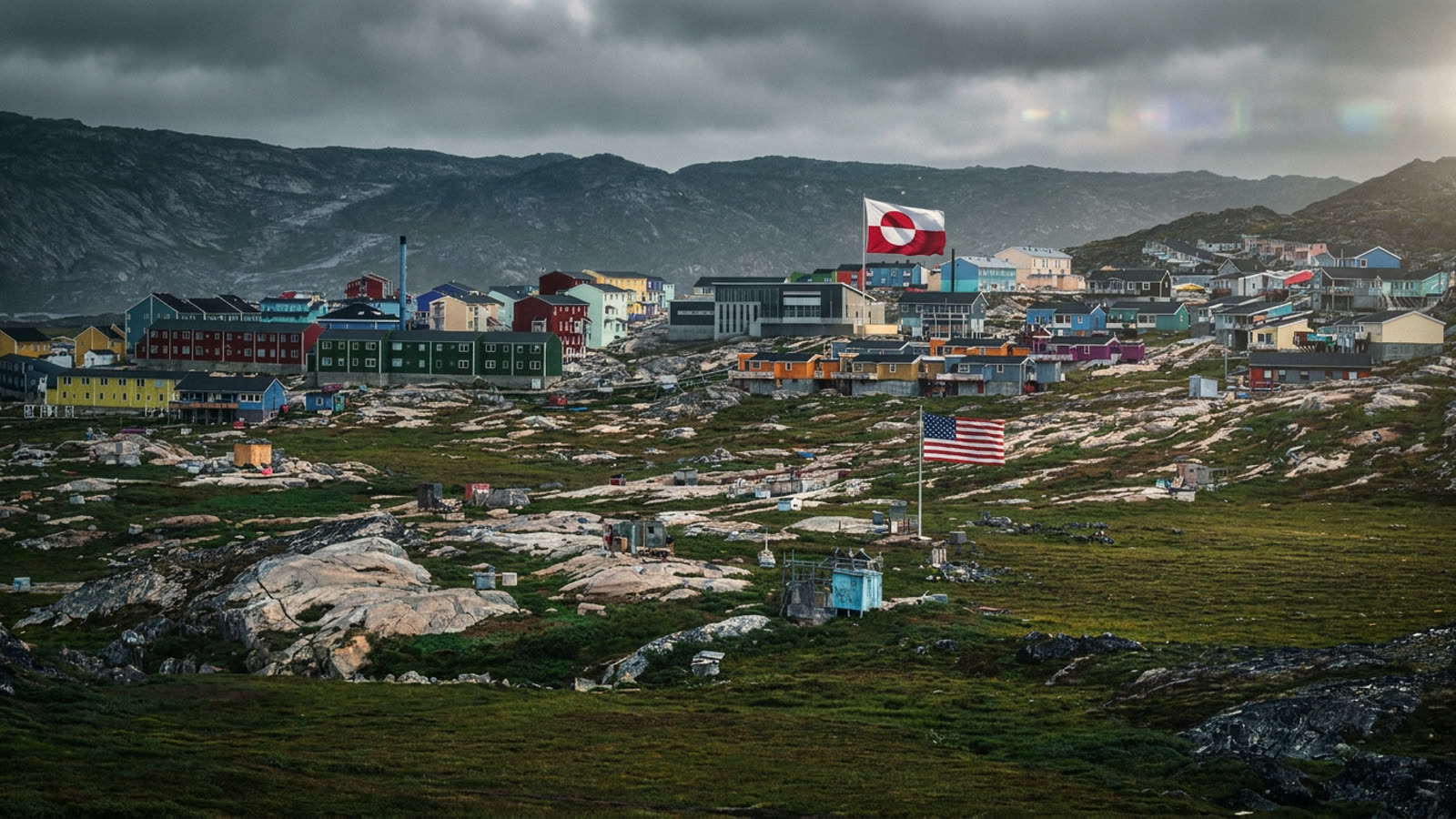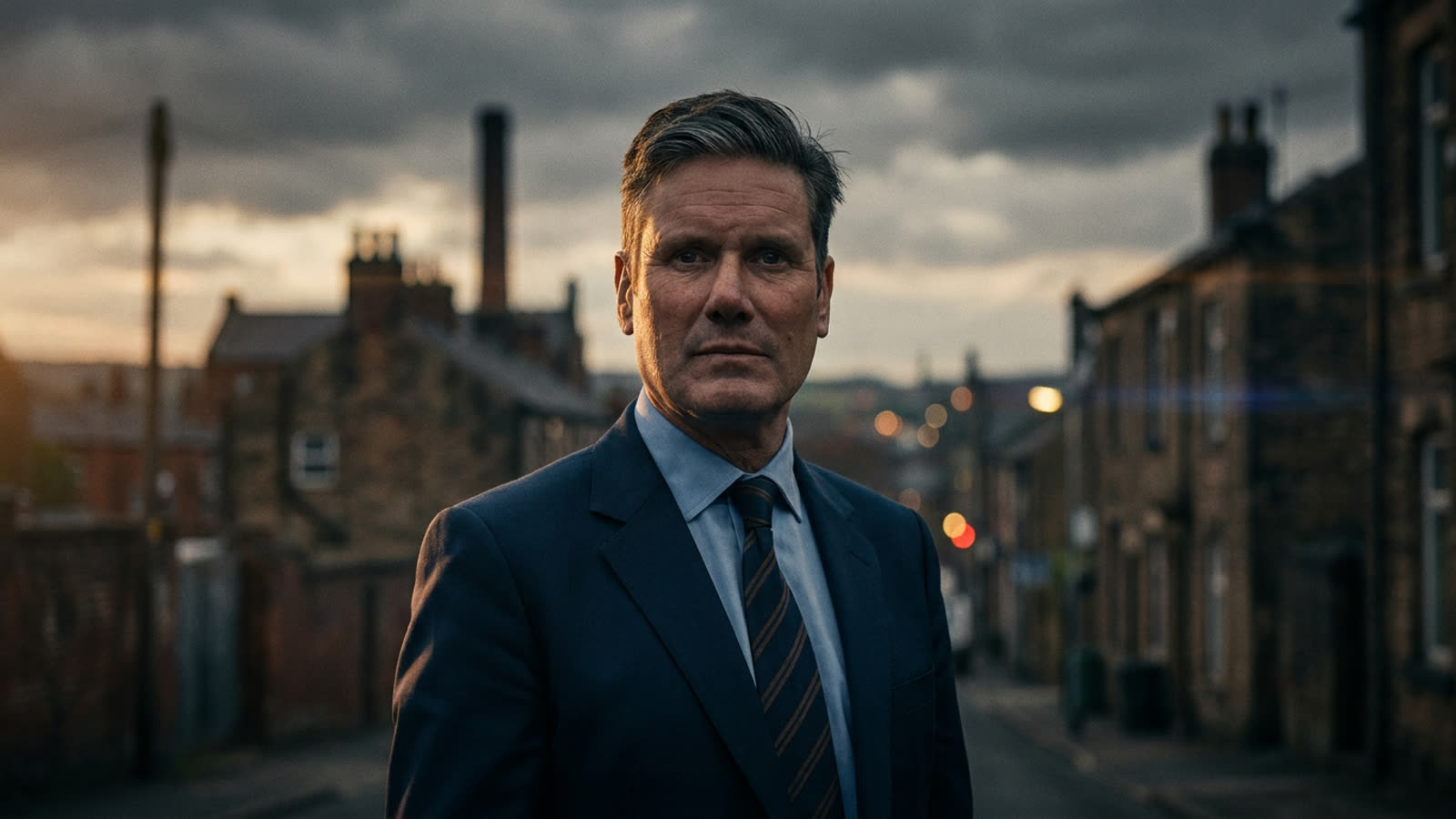
The story of British politics in 2026 can be told through a single council chamber in Barnsley, where fifty years of Labour dominance ended not with a fight but with a surrender. Across the industrial heartlands of northern England, Reform UK didn't just win seats on Thursday—it took entire councils, flipping Barnsley, Kirklees, and Calderdale from solid red to insurgent purple in what amounts to the most significant local election upheaval since the collapse of the Liberal Party a century ago.
This wasn't supposed to happen. Not like this, not this fast.
The scale of the collapse
The numbers are brutal enough to qualify as political violence. In Kirklees, Labour lost every single seat it contested. In Calderdale, a council Labour had controlled outright since 2019, Reform UK swept to power. In Sheffield, a city synonymous with Labour's industrial base, the party hemorrhaged support to both Reform and the Greens. These aren't marginal councils in swing territory—they're the geographic and emotional core of the Labour movement, places where voting Labour was less a political choice than a cultural inheritance.
What makes the rout particularly ominous for Starmer is its completeness. This wasn't a protest vote shaving margins; it was a wholesale defection of working-class communities that concluded, as one Barnsley voter told the BBC with devastating simplicity, that "Starmer's done nothing for the country."
The Starmer problem
Even before the results were fully counted, Labour MPs had begun the familiar ritual of anonymous briefings and pointed silences that precede a leadership crisis. The prime minister's response—reaching out to "old Labour hands" for counsel—has left some MPs baffled, others furious. The complaint is existential: Starmer won power by promising competence and stability, but eighteen months into government, voters in his party's ancestral homelands cannot articulate a single thing he has done for them.
The Lib Dems, meanwhile, are positioning themselves as the sensible alternative to "the extremes of Reform and the Greens," a framing that tells you everything about how the political landscape has shifted. When Ed Davey is the voice of moderation, the Overton window hasn't just moved—it's been relocated to a different building entirely.
Our take
Labour's collapse in the North is not a warning; it's a verdict already rendered. The party assumed that cultural loyalty would survive policy disappointment indefinitely. It was wrong. Reform UK understood something Starmer's operation still refuses to accept: voters who feel ignored will eventually find someone who at least pretends to listen. Whether Nigel Farage's party can govern is almost beside the point. The question now is whether Labour can survive long enough to find out.