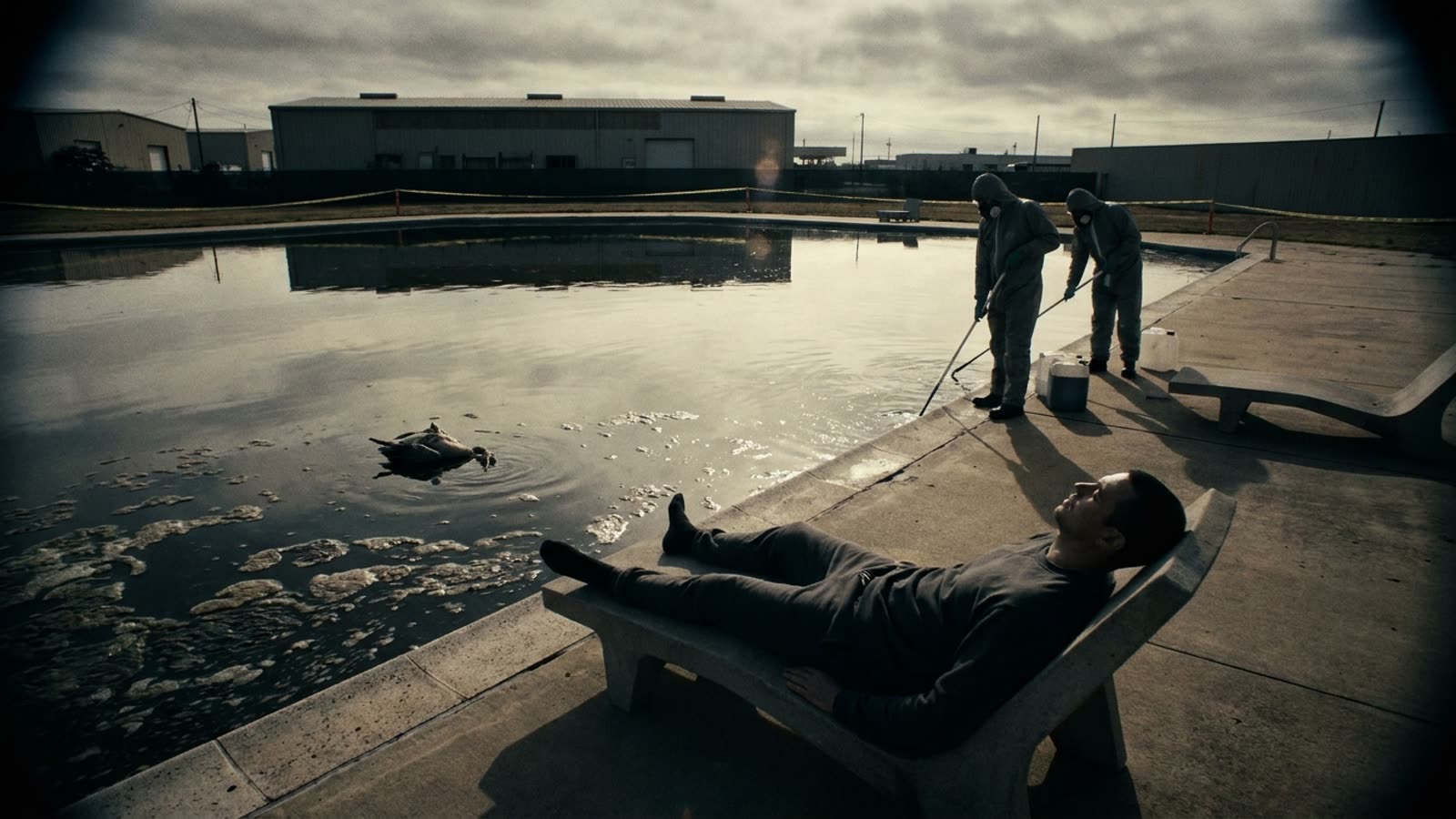
The National Mall's Reflecting Pool, that serene two-thousand-foot mirror designed to frame the Lincoln Memorial in perpetual dignity, now contains at least one dead animal floating among the chemical residue of a cleaning experiment gone sideways.
The Trump administration recently authorized the dumping of hydrogen peroxide into the pool, ostensibly to address algae buildup and water quality issues that have plagued the landmark for years. The treatment, while not unprecedented in water management, appears to have been administered with the subtlety of a pressure washer at a watercolor exhibition. Wildlife that had made the pool home—or simply passed through—did not survive the chemical intervention.
The peroxide problem
Hydrogen peroxide is, in fairness, a legitimate tool for treating stagnant water bodies. At appropriate concentrations, it breaks down into water and oxygen, leaving no toxic residue. The operative phrase is "appropriate concentrations." The Reflecting Pool is not a backyard koi pond; it is a shallow, 6.75-million-gallon ecosystem that hosts migratory birds, fish, and various aquatic organisms. Dumping oxidizing agents into such a system without careful calibration is less science than alchemy.
The National Park Service, which maintains the pool, has historically struggled with its upkeep. The body of water was drained and refurbished in 2012 at a cost exceeding thirty million dollars, with new infrastructure designed to improve circulation and reduce the algae blooms that had turned the water an unfortunate shade of green. That the pool still requires aggressive chemical treatment suggests either the 2012 fixes were insufficient or maintenance has lapsed—neither explanation flattering to anyone involved.
Symbolism writes itself
Washington is a city that trades in symbols, and a dead animal floating in the pool that reflects Abraham Lincoln's temple is the kind of image that editorial cartoonists used to dream about before AI took their jobs. The administration's instinct to solve a visible problem with a dramatic, immediate intervention—rather than the patient, boring work of proper water management—is not unique to this White House, but it does rhyme with certain governing tendencies.
The Reflecting Pool has survived worse indignities: it was used as a temporary barracks during World War I, has been drained for protests and concerts, and endures the daily assault of tourist feet and duck excrement. It will survive hydrogen peroxide. The question is whether the impulse to fix things by pouring chemicals into them extends to problems that cannot be so easily flushed.
Our take
This is a minor story about a minor ecological mishap, and it would be dishonest to pretend otherwise. But minor stories sometimes illuminate larger patterns. The Reflecting Pool incident suggests an administration that prefers visible action to invisible competence, that would rather be seen doing something than be caught doing nothing, even when doing nothing might have been the wiser course. The dead animal is collateral damage. The algae will return. And the Lincoln Memorial will continue to gaze out over whatever we leave floating in front of it.