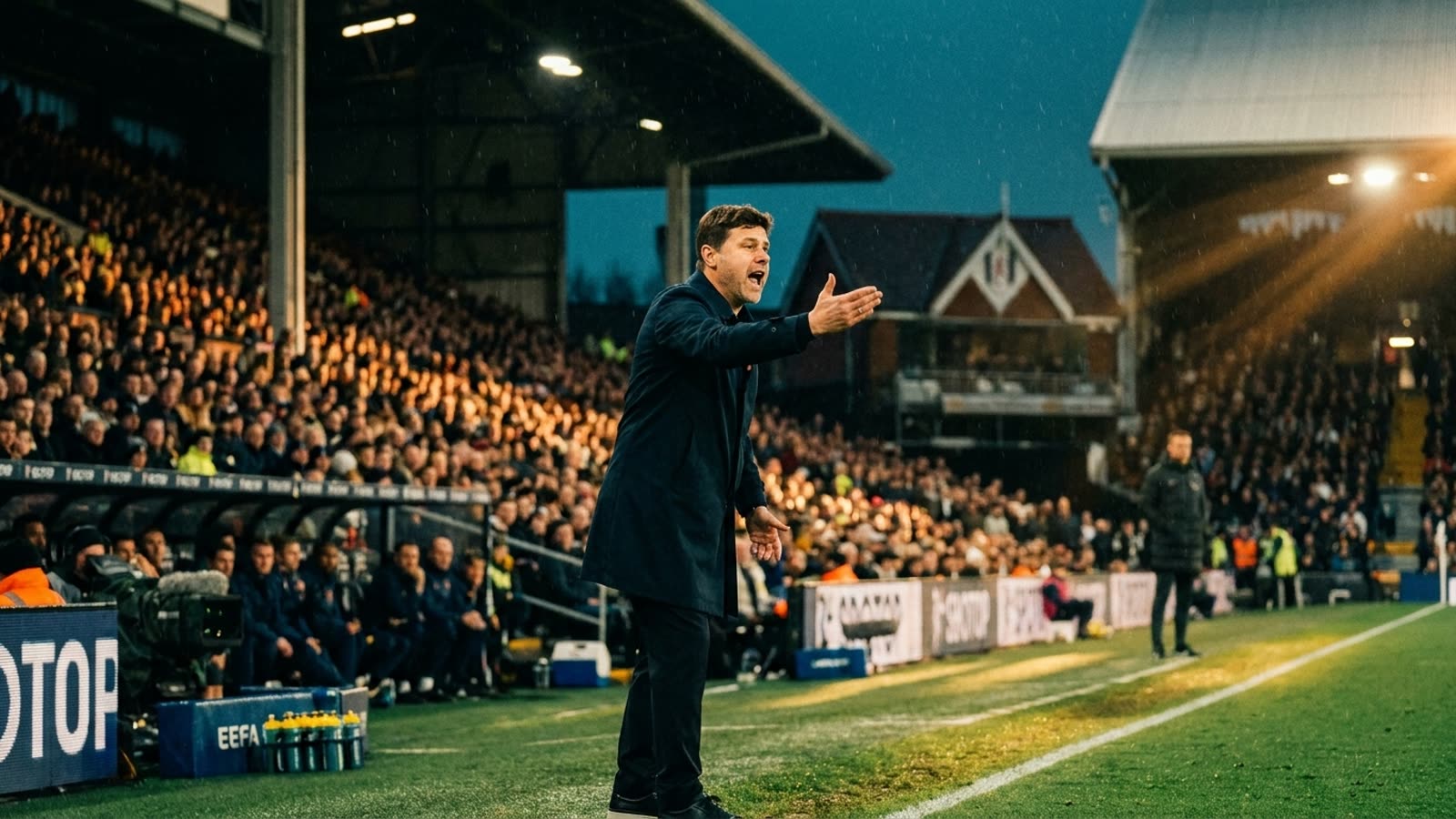
Mauricio Pochettino has never been accused of timidity, and his first major tournament roster for the United States confirms he has no intention of starting now. The 26-man squad for the 2026 World Cup, unveiled this week with considerable fanfare, reads less like a balanced tournament selection and more like a philosophical manifesto: attack, press, create chaos, and trust that the talent will sort itself out.
The bones of the roster are predictable enough. Christian Pulisic and Giovanni Reyna anchor the attacking core, their inclusion as automatic as sunrise. Weston McKennie provides the midfield engine. But it is in the margins where Pochettino's intentions become clear—and where the risk calculus gets interesting.
The youth gambit
Pochettino has leaned heavily into the generation of American players who came of age in European academies, selecting several names that would have been considered premature picks under previous regimes. The roster skews younger than any USMNT World Cup squad in memory, with an average age that suggests Pochettino is building for both this tournament and the next cycle simultaneously. This is either visionary succession planning or a coach who has convinced himself that potential equals readiness.
The defensive selections tell the real story. Pochettino has opted for defenders who can play out from the back over those whose primary virtue is stopping things. It is a coherent choice for a possession-oriented system, but it assumes the Americans will control matches against opponents who have spent decades learning how to counterattack against exactly this kind of idealism.
What the snubs reveal
Every roster is defined as much by who is absent as who is present. The exclusions here suggest Pochettino has little patience for players whose games are built on discipline rather than dynamism. Several veterans with significant international experience have been left home, their crime apparently being too reliable and not exciting enough. The message to the player pool is unmistakable: adapt to the new philosophy or watch from your couch.
This approach carries particular weight because the tournament is on American soil. The pressure to deliver results will be immense, and Pochettino has essentially told the country that he would rather lose playing his way than survive playing someone else's. It is a stance that will be remembered as either courageous or catastrophic depending entirely on outcomes.
Our take
Pochettino deserves credit for conviction. American soccer has spent decades oscillating between inferiority complexes and delusions of grandeur, rarely settling on a coherent identity. This roster, whatever its flaws, represents a clear vision. The question is whether that vision accounts for the reality that World Cup knockout rounds are often decided by who makes fewer mistakes rather than who creates more chances. Pochettino is betting the house on American flair. The chips are on the table, and the wheel is spinning.