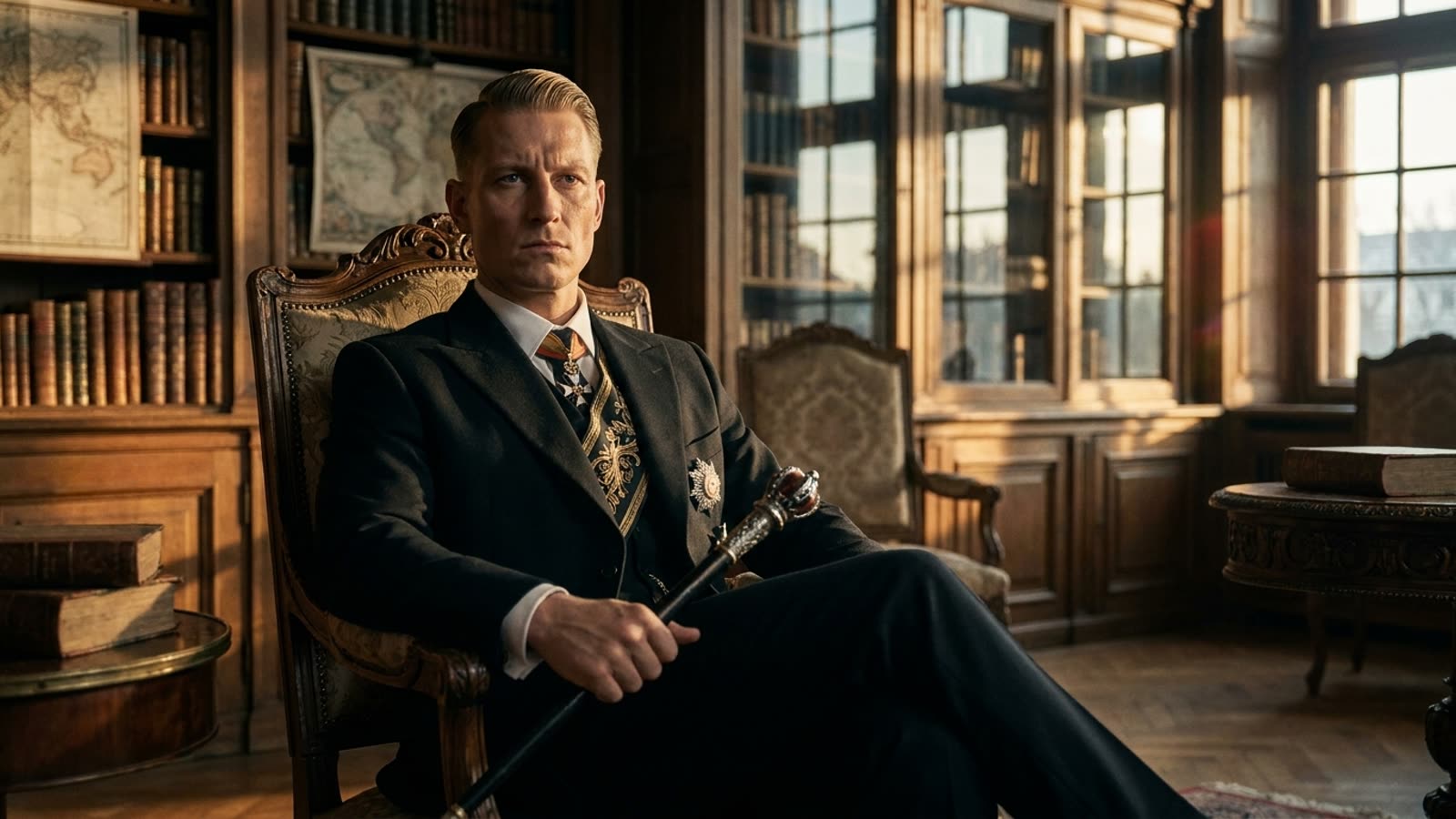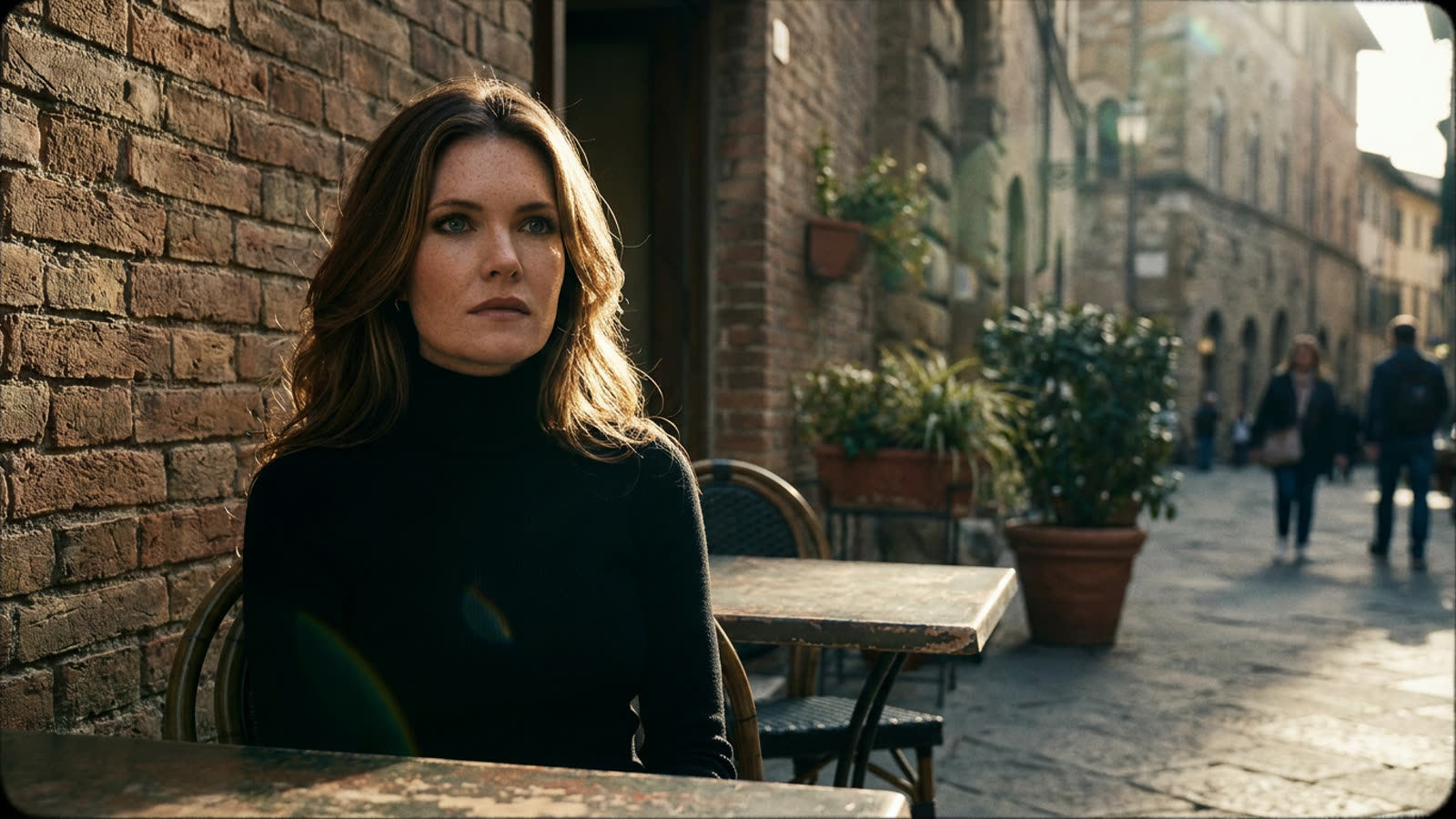
The entertainment press has discovered something more compelling than actual romance: the suggestion of it. Penn Badgley and Meghann Fahy, two actors whose careers have been defined by playing people you shouldn't trust, were recently photographed in circumstances ambiguous enough to launch a thousand speculative headlines—and the internet responded exactly as you'd expect.
This is not, to be clear, a story about whether two attractive people are dating. It's a story about why we so desperately want them to be.
The appeal of narrative symmetry
Badgley spent four seasons as Joe Goldberg on You, Netflix's sardonic thriller about a bookstore clerk whose romantic obsessions turn homicidal. Fahy broke through as Daphne Sullivan in the second season of The White Lotus, playing a trophy wife whose placid surface concealed considerable strategic intelligence. Both performances required the actors to inhabit characters operating on multiple levels of deception simultaneously.
The pairing, real or imagined, offers a kind of meta-casting that Hollywood rarely provides organically. Here are two performers who've made careers out of playing people whose public personas diverge dramatically from their private machinations, now generating headlines for the gap between what we see (two people at dinner) and what we imagine (everything else).
The parasocial economy
Celebrity relationship speculation has always existed, but the current iteration feels distinctly algorithmic. The Badgley-Fahy fascination maps perfectly onto the interests of audiences who consumed their respective prestige dramas—upscale, slightly dark, heavy on psychological complexity. The tabloid industrial complex has learned to manufacture intrigue calibrated to specific demographic tastes.
Badgley, notably, has been married to singer Domino Kirke since 2017. This fact has done nothing to dampen enthusiasm for alternative narratives. If anything, it's added another layer of dramatic tension that mirrors the moral ambiguity both actors have portrayed professionally.
The White Lotus effect
Fahy's star turn in Mike White's anthology series positioned her as the thinking person's ingenue—beautiful but not vacant, complicit but sympathetic. The show's meditation on wealth, marriage, and the performances we sustain within both has clearly colored how audiences now interpret her off-screen appearances. Every photograph becomes a potential scene; every companion becomes a potential co-star.
Our take
The Badgley-Fahy speculation reveals less about either actor than about our collective exhaustion with straightforward celebrity narratives. We've grown bored with official couples doing official couple things on official red carpets. What we crave now is ambiguity—the same quality that made both performers' signature roles so watchable. Whether they're friends, collaborators, or simply two people who happened to eat at the same restaurant, the fantasy of their pairing is more valuable to the content economy than any reality could be. Hollywood has always sold dreams; now it's selling the space between confirmed facts, and we're buying enthusiastically.