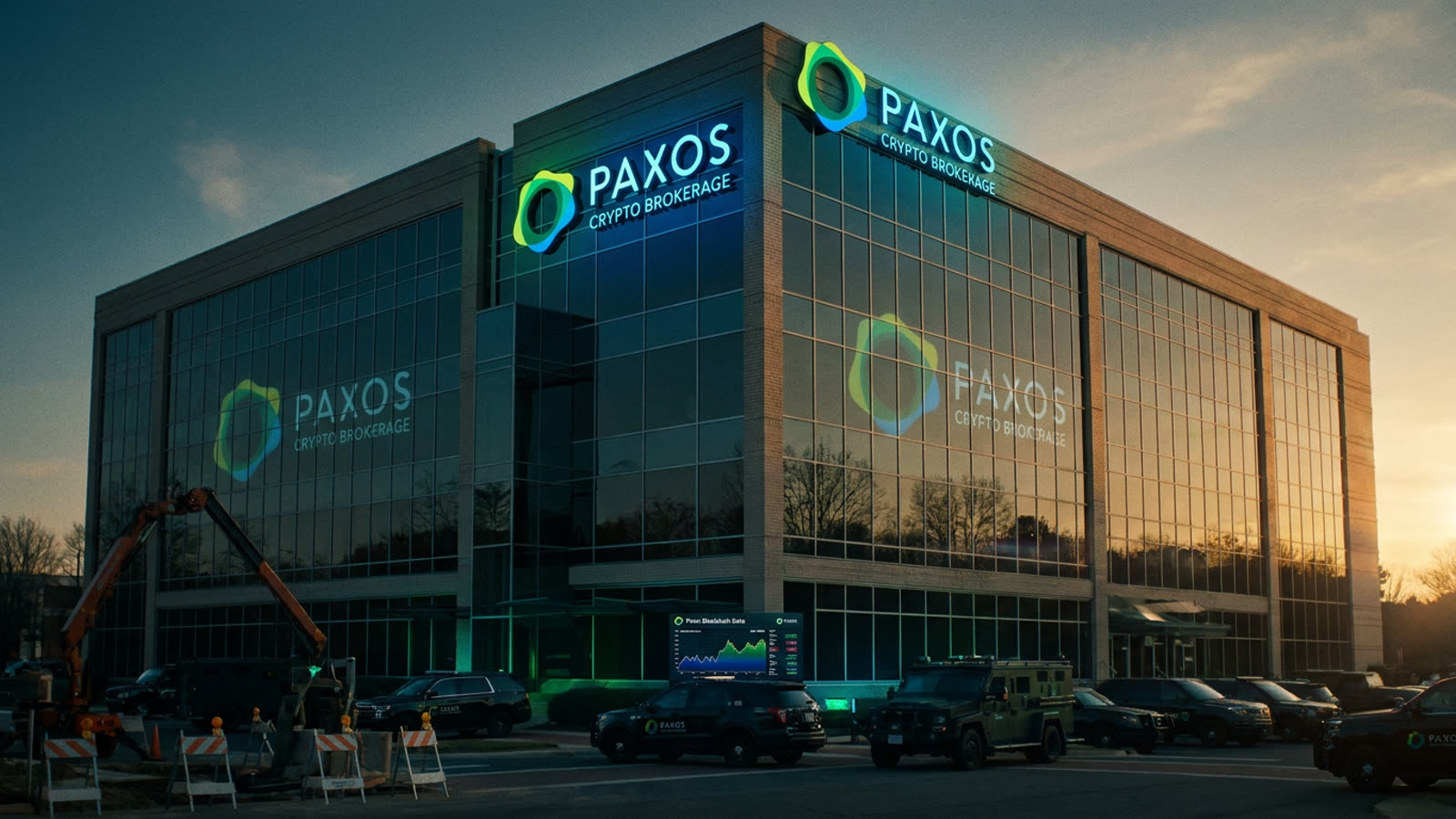
For decades, Wall Street's back office has operated on a gentleman's agreement with inefficiency: trades settle in two days, counterparty risk lingers overnight, and an army of reconciliation clerks earns a living correcting errors that software should have prevented. The SEC's approval of Paxos to clear U.S. equities on blockchain infrastructure doesn't abolish that system tomorrow, but it does serve notice that the regulatory gatekeepers no longer consider distributed ledger technology a science experiment.
The approval is narrow—Paxos can now operate as a clearing agency for a limited set of equity securities, initially expected to include a handful of ETFs and large-cap stocks with cooperative broker-dealer partners. But regulatory narrowness has a way of expanding. The SEC's willingness to grant any approval at all signals that the agency's long skepticism of crypto-adjacent infrastructure has finally separated the speculative from the structural.
Why settlement speed matters
The current T+2 settlement window (trade date plus two business days) exists because legacy systems require time to reconcile, verify, and transfer assets between custodians. Blockchain settlement can theoretically compress this to minutes. That speed isn't merely convenient—it reduces the capital that brokers must hold against unsettled trades, potentially freeing billions in liquidity across the financial system.
For retail investors, the change is invisible. For prime brokers and market makers, it's existential. The firms that profit from settlement friction—earning interest on float, charging for fails coverage, monetizing the complexity of cross-border reconciliation—now face a future where their margins get algorithmically compressed.
The incumbents' dilemma
The Depository Trust & Clearing Corporation, which handles the vast majority of U.S. equity settlement, has spent years developing its own blockchain pilot programs. But DTCC's incentive structure is misaligned with disruption: its member-owners are the same banks and brokers who benefit from the current system's inefficiencies. Paxos, unburdened by legacy relationships, can move faster—assuming it can attract enough volume to matter.
The approval also arrives as traditional exchanges face pressure from decentralized alternatives. ICE CEO Jeffrey Sprecher's recent acknowledgment that Hyperliquid now processes more notional volume than NASDAQ in certain derivatives markets underscores how quickly liquidity can migrate when infrastructure improves.
Our take
The SEC didn't approve Paxos because regulators suddenly love blockchain. They approved it because the alternative—watching settlement innovation happen offshore while American markets calcify—became untenable. This is less a victory for crypto ideology than a concession to competitive reality. The interesting question isn't whether blockchain settlement will eventually dominate; it's whether the firms that built their businesses on two-day delays can adapt before their moats drain completely.