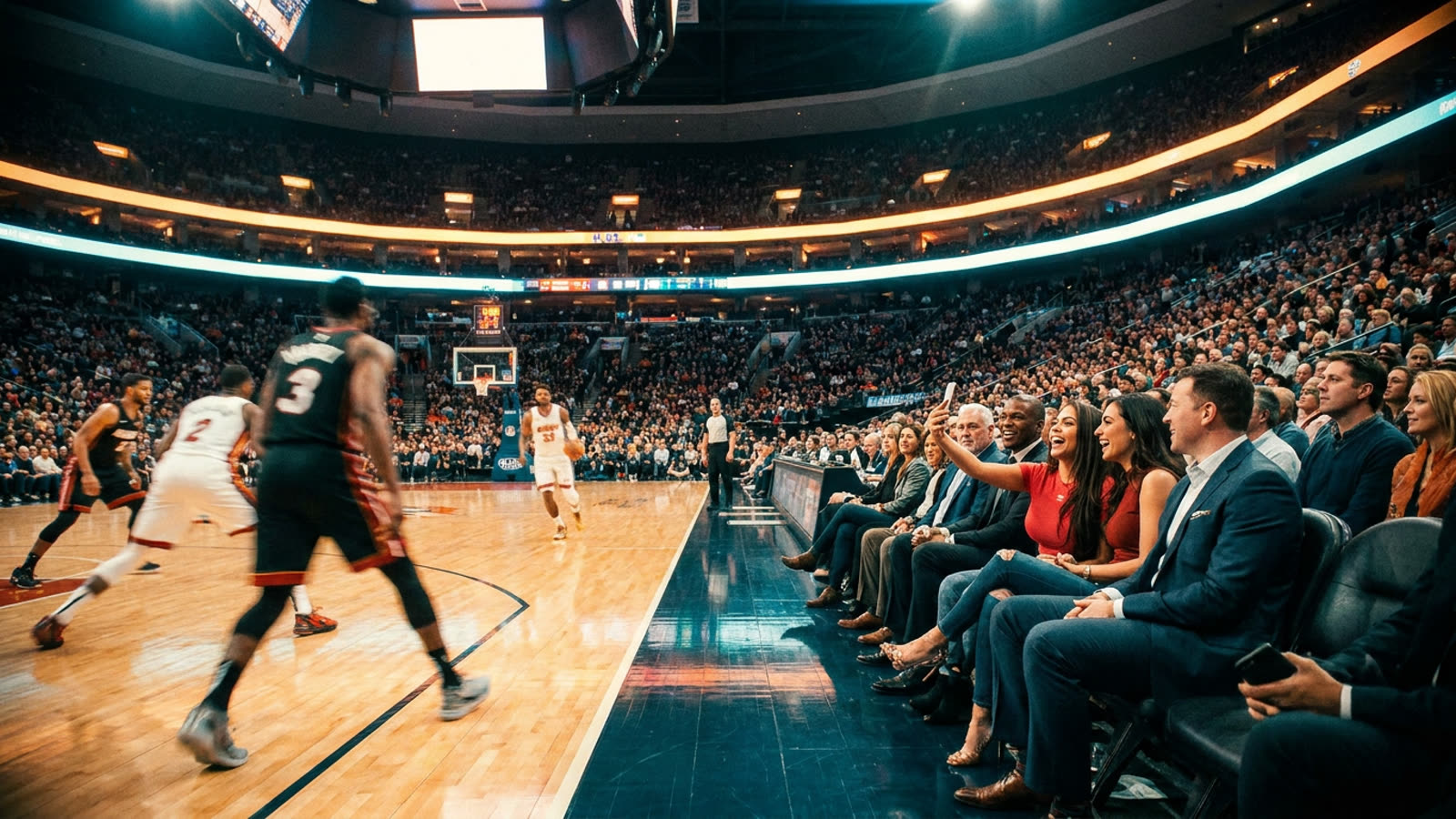
When a group of OnlyFans models showed up courtside at Game 6 of the Spurs-Thunder Western Conference semifinal this week, the reaction was notably muted compared to their first appearances a few seasons ago. The pearl-clutching has given way to something closer to resigned acceptance, which tells you everything about how quickly American sports culture metabolizes the formerly transgressive.
The creators in question—several of whom have built followings in the millions—weren't sneaking in or causing scenes. They were simply occupying seats that cost more than most Americans' monthly rent, dressed impeccably, and doing what every other courtside celebrity does: being seen. The difference, of course, is that their primary income derives from subscription-based adult content rather than acting, music, or inherited wealth.
The economics of visibility
Courtside seats at a conference semifinal run anywhere from $15,000 to $50,000 depending on the market and matchup. For creators earning seven figures annually from platforms like OnlyFans and Fansly, these tickets represent both affordable luxury and shrewd marketing. Every camera pan, every viral tweet about their presence, drives subscription traffic worth multiples of the ticket price.
The NBA finds itself in an awkward position. The league has spent decades cultivating celebrity courtside culture as a brand asset—Jack Nicholson at Lakers games, Spike Lee at the Garden, Drake making himself impossible to ignore in Toronto. That ecosystem was always transactional: famous people get premium visibility, the league gets aspirational glamour. OnlyFans creators are simply playing by the same rules with different credentials.
The respectability question
What's fascinating is watching the sports establishment struggle to articulate why this feels different. The objections tend to collapse under minimal scrutiny. These women aren't violating any arena policies. They're not disrupting play. They're dressed within the bounds of what any influencer or model might wear courtside. The discomfort seems to stem entirely from how they earn their money—a distinction that becomes harder to defend when you consider the gambling advertisements plastered across every broadcast.
Teams have quietly explored whether they can implement some form of content-based discrimination in ticket sales, and quietly concluded they cannot without inviting legal catastrophe. So the phenomenon continues, season after season, gradually becoming less phenomenon and more furniture.
Our take
The OnlyFans courtside presence is a Rorschach test for American attitudes about sex work, wealth, and who deserves to be seen in prestigious spaces. The creators aren't going anywhere—the economics make too much sense, and the legal barriers to excluding them don't exist. The more interesting question is whether, in another five years, anyone will remember this was ever controversial at all. The trajectory suggests not. America's capacity for moral panic about women's bodies is vast, but its attention span is mercifully short.