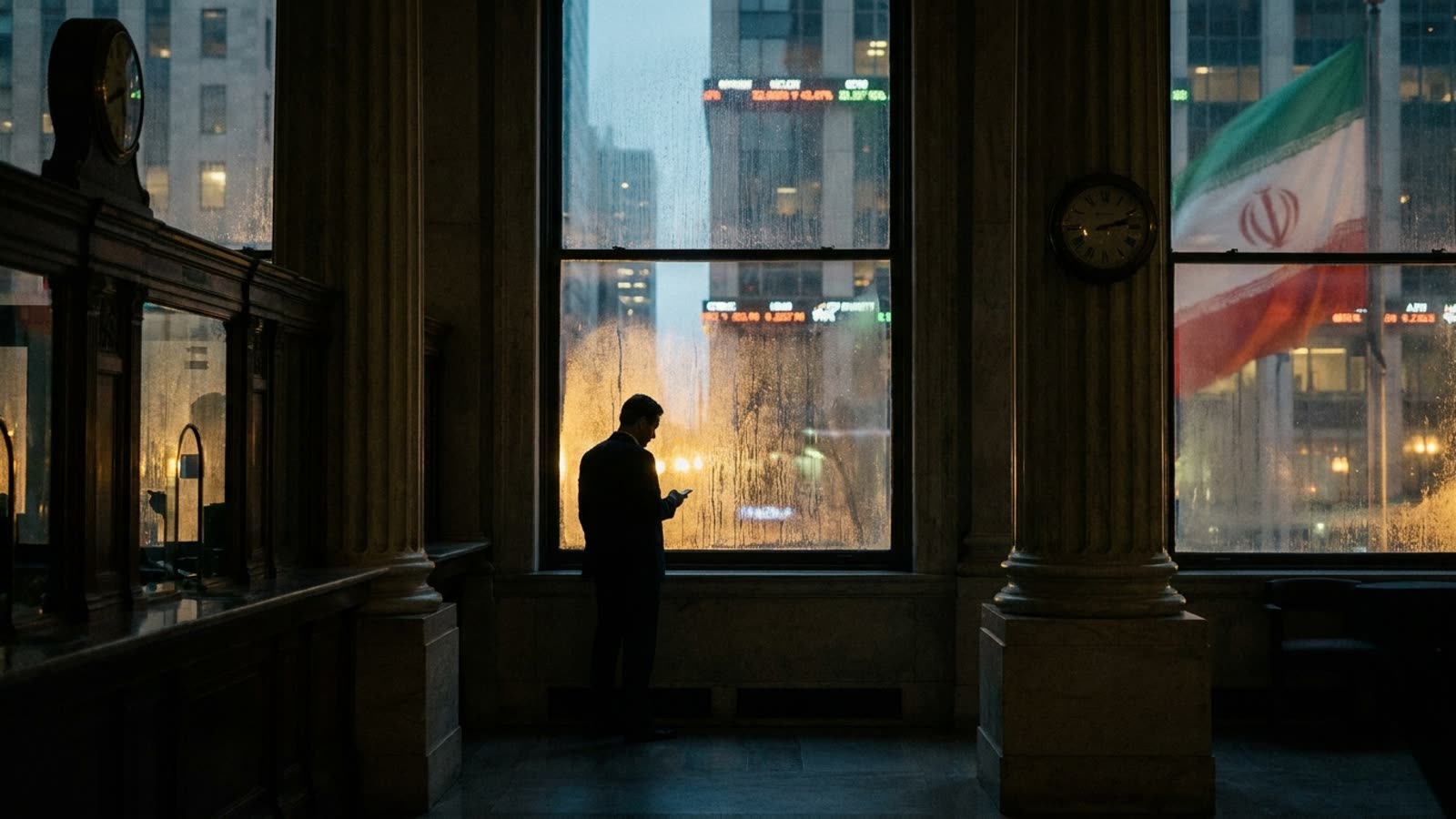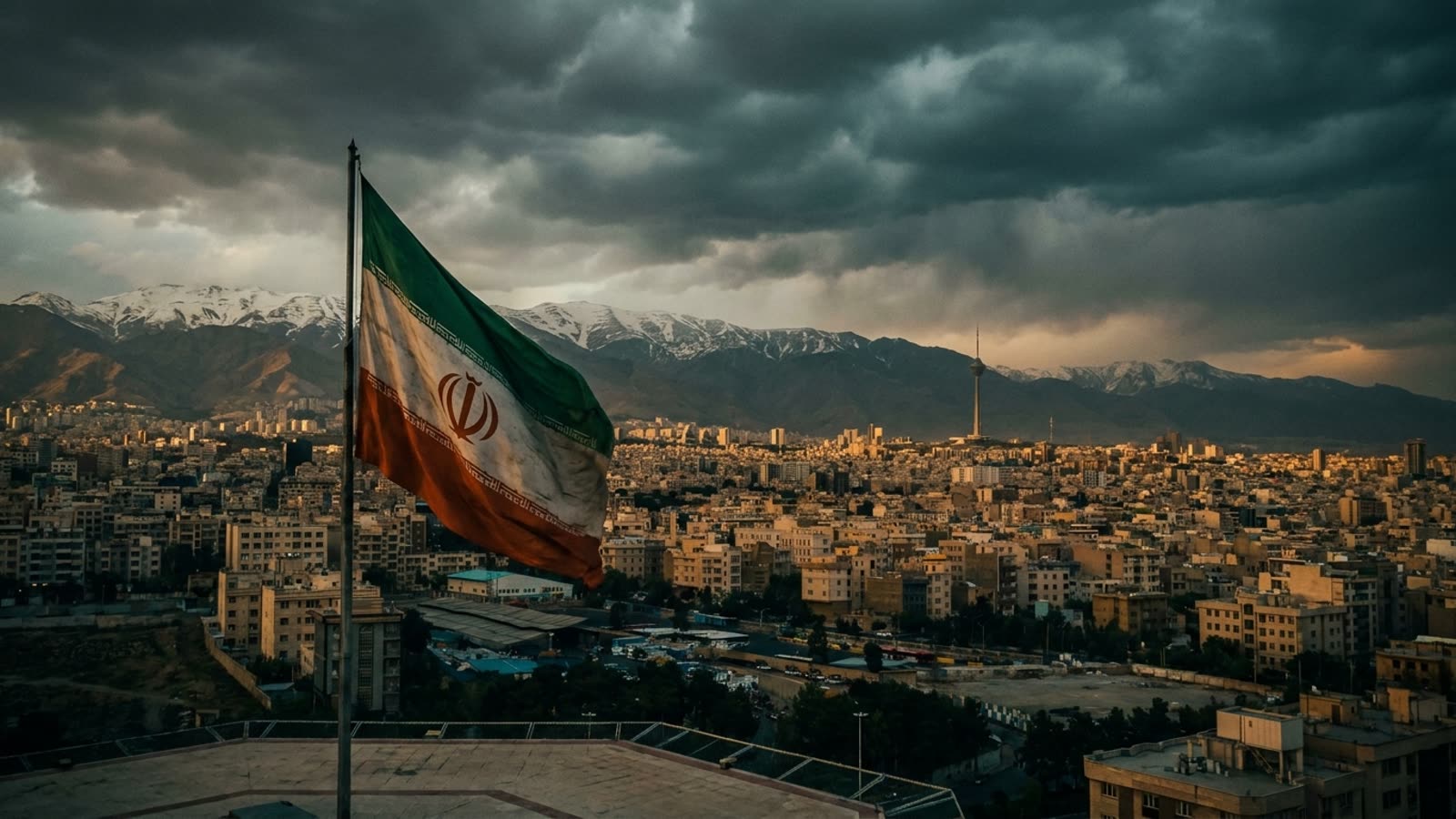
The diplomats are still haggling over language in Doha and Washington, but the oil pits have already rendered their verdict: prices slipped Thursday on reports that the United States and Iran have reached a tentative framework to extend their fragile ceasefire. Brent crude shed roughly a dollar, settling below the psychologically significant $85 mark, while West Texas Intermediate followed suit. In the argot of commodity trading, the market is "pricing in peace" — or at least pricing in the possibility that the Persian Gulf won't become a shooting gallery next month.
This is how geopolitics works now. Before any presidential seal touches any document, before any foreign minister holds any press conference, the futures curve has already moved. Oil traders, with their Bloomberg terminals and their risk models, have become the de facto arbiters of whether a diplomatic communiqué is serious or theater.
The deal that isn't quite a deal
What we know: American and Iranian negotiators have reportedly agreed on a framework to extend the current ceasefire, which has held — tenuously — since early May. The sticking points remain sanctions relief timing and verification mechanisms, the same issues that have torpedoed every previous attempt at détente since the JCPOA collapsed in 2018. The framework still requires President Trump's explicit approval, which is far from guaranteed given the administration's hawkish posture toward Tehran throughout the spring.
The market's muted reaction — a slide rather than a plunge — suggests traders are assigning meaningful but not overwhelming probability to the deal actually closing. A full normalization would likely send Brent toward $70; a collapse back into hostilities could spike it past $100. The current price action implies something like a 60-40 bet on peace, which is roughly where geopolitical analysts have been penciling their estimates.
Energy as diplomatic leverage
The broader context matters. Iran's oil exports have been constrained but not eliminated by American sanctions, with Chinese refiners serving as the primary buyers through various gray-market mechanisms. A genuine ceasefire deal would presumably include some relaxation of these restrictions, adding Iranian barrels back to legitimate markets and pressuring prices further. OPEC+ would then face an awkward choice: accommodate the returning supply or cut elsewhere to defend prices.
For American consumers, cheaper gasoline would arrive just as the summer driving season peaks — a convenient political fact that has not escaped the White House's notice. The administration has been quietly draining the Strategic Petroleum Reserve to keep pump prices manageable; a diplomatic solution would achieve the same end without depleting emergency stockpiles.
Our take
There is something faintly absurd about watching oil futures serve as a real-time confidence meter for peace negotiations. But markets aggregate information faster than diplomats can draft talking points, and right now the aggregated wisdom suggests cautious optimism. Whether that optimism survives contact with the actual politics — Trump's unpredictability, Iranian hardliners' skepticism, the thousand ways a Middle East deal can unravel — is another question entirely. For now, the traders are betting on the better angels. They've been wrong before.