Christopher Nolan has spent two decades proving that audiences will show up for movies that demand to be seen on the biggest screen possible. With 'The Odyssey,' he's making his most audacious bet yet: that a 3,000-year-old poem about a man trying to get home can become the kind of event cinema that once made 'Oppenheimer' a billion-dollar phenomenon.
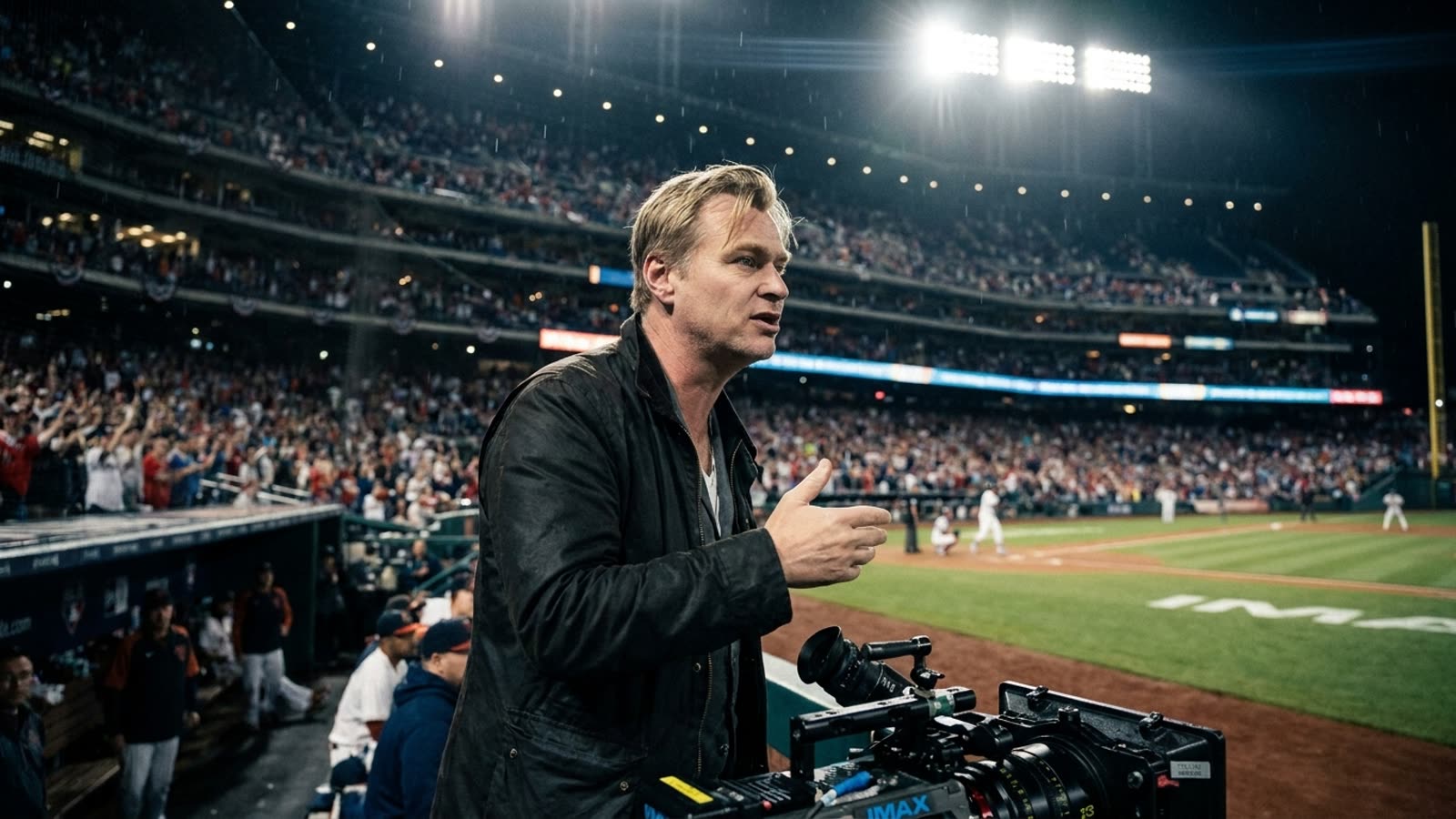
The premiere, which drew the expected constellation of A-list talent and industry power brokers, offered the first public glimpse of what Nolan has been quietly assembling since wrapping his Oscar-winning nuclear drama. Early reports suggest a film of staggering visual ambition—Mediterranean seascapes, mythological creatures, and naval warfare captured on IMAX 70mm film, the format Nolan has championed with near-religious fervor.
The economics of epic
The film arrives at a peculiar moment for theatrical exhibition. Streaming has captured the casual viewer; only genuine events reliably fill multiplexes. Nolan understands this calculus better than perhaps any working director. His post-Warner Bros. deal with Universal reportedly guarantees theatrical exclusivity windows that would make most filmmakers weep with envy. The studio, for its part, is banking on the Nolan brand—a director whose last four films have collectively grossed over $3 billion worldwide.
Yet 'The Odyssey' represents a different kind of risk. Unlike the built-in audiences for Batman or Oppenheimer's historical notoriety, Homer's epic is assigned reading that most Americans remember resenting in high school. Nolan is essentially asking audiences to treat ancient Greek literature as a summer blockbuster.
Why Homer, why now
The choice of source material feels deliberate in ways that extend beyond spectacle. Odysseus's decade-long journey home—past sirens, cyclopes, and the temptations of immortality—is fundamentally a story about what we sacrifice to return to the people we love. In an era when remote work has untethered millions from physical place, when algorithms serve us infinite digital distractions, the myth of the man who refuses every shortcut to get back to Ithaca carries unexpected resonance.
Nolan has always been drawn to protagonists wrestling with time, memory, and the weight of their choices. Odysseus fits the template perfectly: a brilliant tactician haunted by the war he helped win, navigating a world where gods manipulate mortals for sport.
Our take
The premiere footage reportedly drew gasps and sustained applause—the currency of film festival validation. Whether that translates to the broader audience Nolan needs remains the open question. But if anyone can convince suburban multiplexes that they urgently need to see Poseidon's wrath in 70mm, it's the man who made a three-hour film about physics meetings feel like a thriller. The Odyssey endured three millennia because it understood something essential about human longing. Nolan is betting it can endure opening weekend, too.