The number itself is almost absurd: forty-five current head coaches in college football can trace their professional lineage directly to Nick Saban. Not forty-five assistants who once fetched him coffee. Forty-five people running their own programs, calling their own plays, building their own legacies—all of them shaped, in some measurable way, by the same source code.
This isn't mere trivia. It's a structural fact about American college athletics that explains everything from recruiting patterns to defensive schemes to why so many sidelines now feature the same clipped, process-obsessed vernacular Saban made famous at Alabama.
The methodology of replication
What separates Saban's tree from other coaching dynasties—Bill Walsh's West Coast disciples, Don Shula's Miami branches—is its sheer density and intentionality. Saban didn't just hire talented coordinators; he built a system designed to produce head coaches. The Alabama program functioned as a finishing school for ambitious assistants, each one absorbing not just Xs and Os but an entire philosophy of organizational management.
Kirby Smart at Georgia. Steve Sarkisian at Texas. Billy Napier at Florida. Kalen DeBoer, who now holds Saban's old job in Tuscaloosa. The SEC alone is thick with Saban descendants, which creates the peculiar dynamic of the master's students regularly scheming against each other using variations of his own playbook.
Beyond the conference
The reach extends well past the Southeast. Programs in the Big Ten, Big 12, and Group of Five conferences have all imported Saban-trained coaches hoping to replicate the Alabama machine. Some have succeeded spectacularly; others have discovered that borrowing methodology doesn't guarantee borrowing results.
The tree also reveals something about modern coaching economics. Saban's assistants commanded premium salaries precisely because athletic directors believed—often correctly—that proximity to greatness was transferable. The Saban credential became a form of currency, inflating coordinator salaries across the sport and reshaping how programs budget for staff.
The docuseries factor
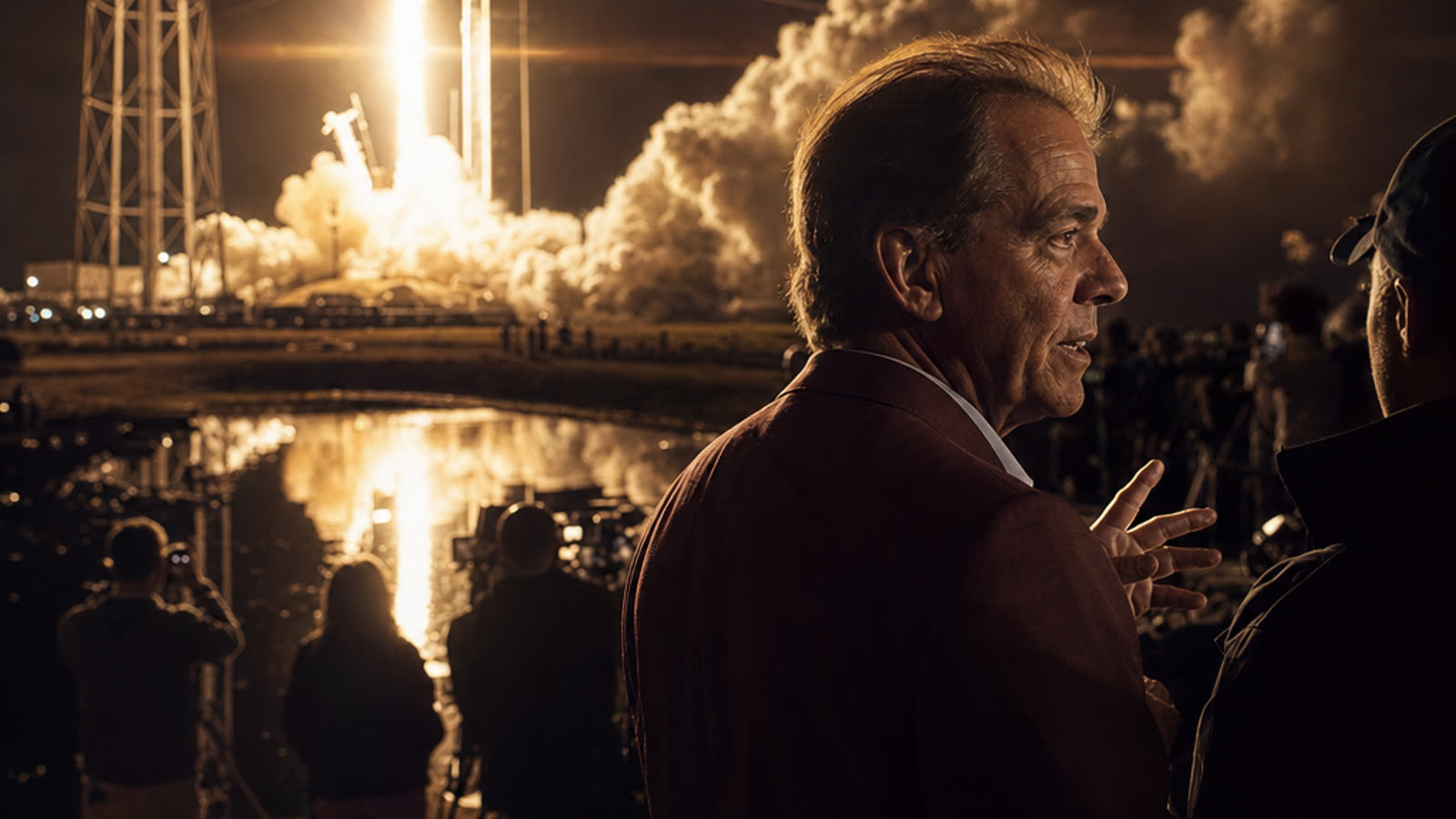
ESPN's new "Saban" docuseries arrives at a moment when the coach's influence has never been more measurable or more scrutinized. With Saban himself retired from the sideline, the series offers a chance to assess the empire while its architect watches from the broadcast booth.
What emerges isn't just a portrait of one man's career but a map of how ideas propagate through institutions. Every program that hired a Saban assistant made a bet that culture could be transplanted. Forty-five data points later, the experiment continues.
Our take
Saban's true legacy won't be the six national championships or the recruiting classes ranked number one. It will be the quiet reformation of how college football thinks about coaching development. He proved that a program could be a factory for leaders, not just players—and that the right system, rigorously applied, could reproduce itself across an entire sport. Whether that's good for competitive balance is another question entirely.