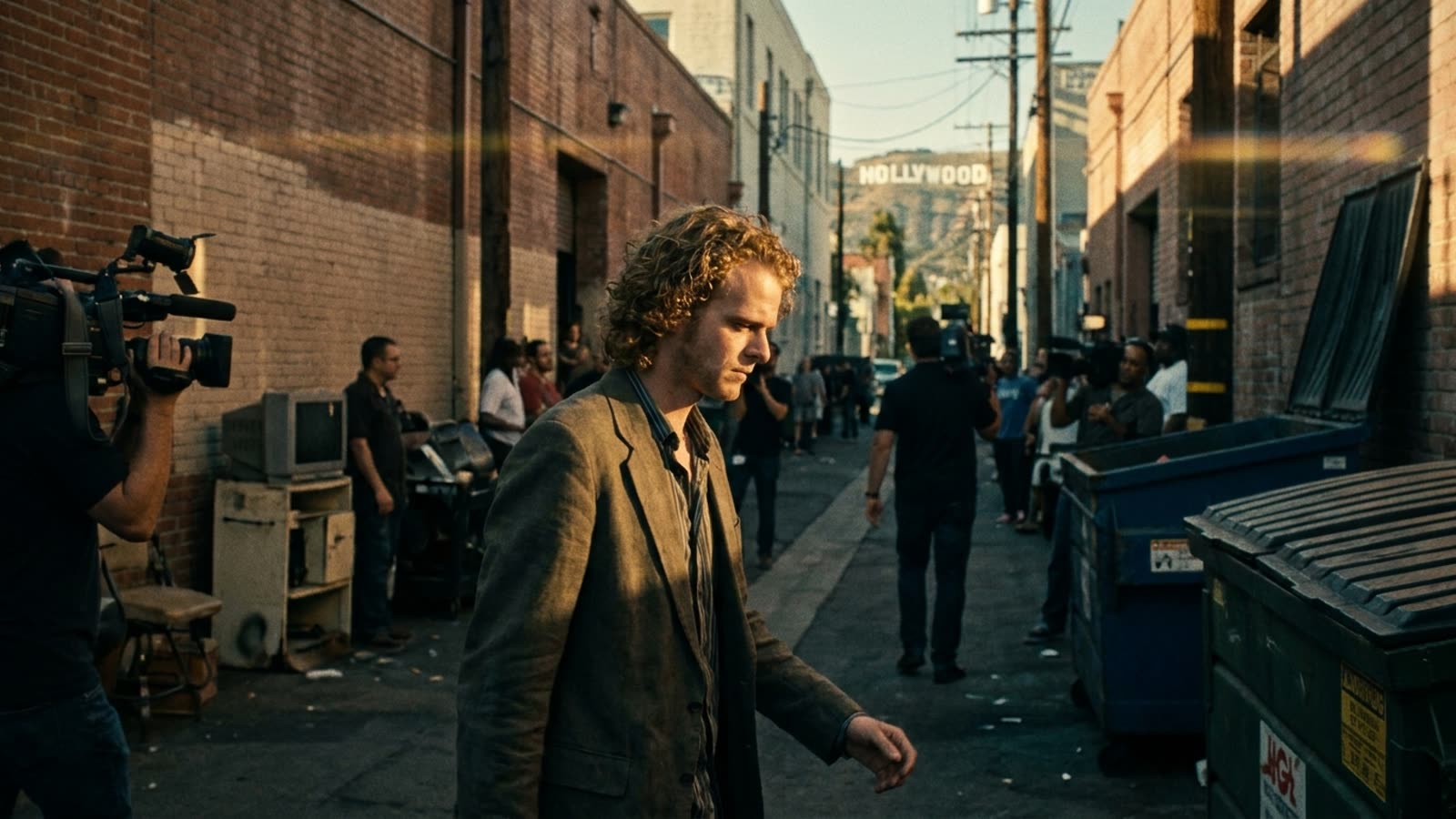
The entertainment industry's ongoing confrontation with violence and misconduct has, until recently, focused its lens on marquee names—the producers, the leading men, the power brokers whose falls from grace generate months of coverage and documentary series. Nick Pasqual, whose acting credits include a forgettable stint on CBS's long-running sitcom How I Met Your Mother, represents something different: the reckoning reaching the middle and lower rungs of Hollywood's ladder.
Pasqual now faces serious criminal charges related to alleged violent conduct, joining a growing roster of entertainment figures whose off-screen behavior has overshadowed whatever modest on-screen presence they once cultivated. His case will not dominate headlines the way Harvey Weinstein's did, nor inspire the think pieces that accompanied accusations against more prominent figures. That relative obscurity is precisely what makes it significant.
The democratization of accountability
For decades, Hollywood operated on a tiered system of consequence. Stars enjoyed protection proportional to their box-office value; character actors and day players existed in a gray zone where bad behavior might end a career quietly but rarely attracted legal or media scrutiny. The post-2017 shift has gradually eroded that hierarchy. District attorneys, emboldened by successful prosecutions of industry titans, have grown more willing to pursue cases regardless of the defendant's IMDb page ranking.
Pasqual's situation reflects this flattening. The charges against him are being treated with the seriousness they deserve—not dismissed as a minor celebrity dust-up, not buried by studio fixers protecting a valuable asset. There is no asset to protect. What remains is simply an alleged crime and a justice system increasingly willing to treat entertainment workers like anyone else.
The industry's quiet purge
Beyond the high-profile cases that generate Netflix documentaries, Hollywood has been conducting a slower, less visible housecleaning. Background actors, crew members, and minor recurring players have found themselves unemployable after allegations surface, their names circulating on informal blacklists that production companies consult before hiring. The formal legal system catching up to this informal accountability represents a maturation of the process—messy, imperfect, but more legitimate than whisper networks alone.
Pasqual's How I Met Your Mother credit, a show that ended its run in 2014, serves as a reminder of how long these reckonings can take. The gap between industry awareness and legal consequence often spans years, sometimes decades. That the system is now processing cases involving figures of his profile suggests the backlog is finally being addressed.
Our take
There is nothing satisfying about watching someone's life collapse, even someone facing serious allegations. But the extension of accountability beyond the A-list represents genuine progress. For too long, the entertainment industry's willingness to confront misconduct correlated directly with the accused's fame—the bigger the name, the bigger the story, the more likely consequences would follow. Nick Pasqual's case won't trend on social media or inspire prestige limited series. It will simply proceed through the legal system like any other. That ordinariness is the point.