When United States senators write to a professional sports league expressing concern about its partnership with an authoritarian government, the league has two options: take the criticism seriously, or craft a response that sounds serious while changing nothing. The NBA, in a letter from deputy commissioner Mark Tatum to a bipartisan group of senators, has chosen door number two.
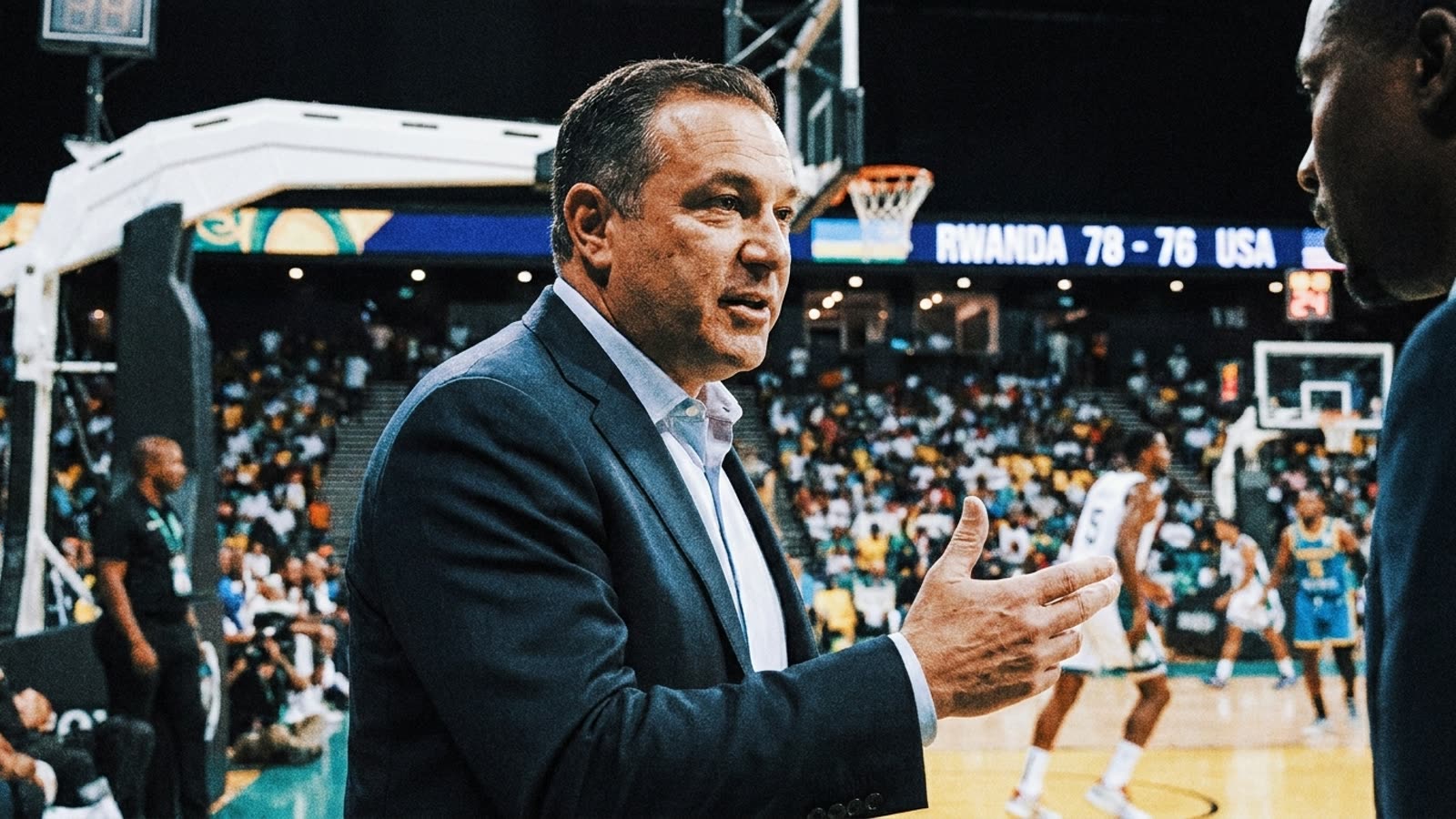
The league's defense of its ongoing partnership with Rwanda centers on a single concession: the removal of a military-backed team from the Basketball Africa League. Tatum presents this as evidence that the NBA "has adapted to changing U.S. policies toward the East African nation." It is a curious definition of adaptation—removing one team while maintaining the broader commercial and promotional relationship that drew congressional scrutiny in the first place.
The senators' actual concern
The bipartisan letter to the NBA raised questions about Rwanda's human rights record under President Paul Kagame, whose government has faced credible accusations of cross-border assassinations, suppression of political opposition, and involvement in the destabilizing conflict in eastern Democratic Republic of Congo. The senators wanted to know why an American sports league was lending its considerable soft power to such a regime. Tatum's response addresses the symptom—a military team's participation—while ignoring the disease.
The soft-power calculation
For Rwanda, the NBA partnership is a bargain. The country gains association with one of America's most globally recognized brands, a halo of legitimacy that no amount of paid public relations could purchase. For the NBA, the calculation is murkier. The Basketball Africa League is a developmental project, not a profit center. The league's presence in Rwanda is less about revenue than about positioning itself as the preeminent global basketball organization. The question is whether that positioning is worth the reputational cost of association with Kagame's government.
A familiar playbook
The NBA has been here before. Its relationship with China survived the 2019 Daryl Morey tweet controversy, but not without significant damage to the league's carefully cultivated image as a socially conscious organization. Commissioner Adam Silver's handling of that crisis—attempting to placate Beijing while not entirely abandoning Morey—satisfied no one. The Rwanda situation is smaller in scale but identical in structure: commercial interests pulling one direction, stated values pulling another, and league leadership trying to split the difference.
Our take
Tatum's letter is a masterclass in corporate non-response. It acknowledges the senators' concerns, cites a minor operational change, and implicitly asks everyone to move on. The NBA is betting that Rwanda is too small a story to sustain public attention, and that bet will probably pay off. But the league's credibility as a values-driven organization—the brand identity it has spent years and millions cultivating—erodes a little more each time it chooses commerce over conviction. The senators asked a straightforward question: should American sports leagues help authoritarian regimes launder their reputations? The NBA's answer, stripped of its diplomatic language, is: yes, if the price is right.